

DEP fines Fredericktown water authority
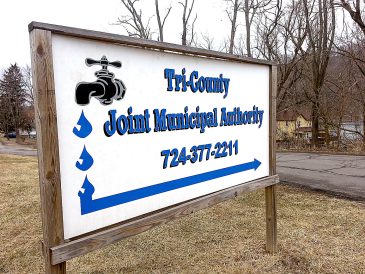
The state Department of Environmental Protection fined a water authority in Fredericktown for violating the Clean Streams Law and Safe Drinking Water Act over a string of problems at its treatment plant.
The $23,400 fine is included in an 18-page DEP consent order and agreement that involves a slew of missing records at Tri-County Joint Municipal Authority, and it having illegal overflows into the Monongahela River, unaccounted water withdrawals and treatment issues that resulted in its water containing a potential cancer-causing chemical, the document states.
“The biggest (issues) are the massive record-keeping problems and improving the quality of the water,” DEP spokesman John Poister said.
The investigation into the authority began about the time its board of directors learned in January 2014 that a DEP regulatory investigation determined its office staff didn’t file the required reports of monthly industrial waste releases into the Monongahela River for the past four years.
The investigation also revealed the authority was operating an off-site water loading station and making alterations to its plant without amending its DEP permits, the consent order states.
The authority responded by firing and replacing its management crew and making other engineering improvements at the plant at 26 Monongahela Ave.
“We’re definitely moving forward with this in the correct way,” authority Chairman Vince Bloom said Tuesday. “We’re looking at a long-term solution to this.”
Bloom said the authority does not expect to increase the bills to its 3,400 customers to pay the fine.
The DEP investigation revealed the authority exceeded its monthly averages or maximum levels of discharges into the river 45 times in 2013. The releases involved such chemicals as manganese, aluminum, iron and suspended solids.
A DEP inspection in August 2013 noticed the authority was installing a new cover on its 2-million-gallon storage reservoir without an amended construction permit. An earlier DEP inspection in May of that year noticed the construction of a new chlorine storage room at the plant without an amended permit.
The unpermitted bulk water loading operation of the authority at a hydrant outside of the plant was also discovered in May 2013. It was also noted the authority wasn’t adhering to its DEP permit to draw water from the river by failing to file monthy records of that activity since 2004.
The department also noticied insufficient blackflow and boiling at the plant that indicated its filter was malfunctioning, conditions that “increase the likelihood” of pathogenic microorganisms entering the public water supply, the DEP order states.
Meanwhile the authority also created a public nuisance by exceeding the allowable levels in its water supply of trihalomethanes, a chemical that can cause cancer.
Poister said that chemical appears to be caused by water sitting in pipes in areas where there is not a big demand for the supply.
“They have a consultant working on a way to get the system flowing better,” Poister said.
The consent order requires the authority to have a written corrective action plan for the treatment plant and one for reducing the amount of missing water from its system within 90 days of June 29. The authority has 30 days from that date to submit the monthly records for its missing water withdrawals, beginning in June 2000, or explain why it does not have them.