

Trinity, farmer collaborate on pizza farm
Observer-Reporter
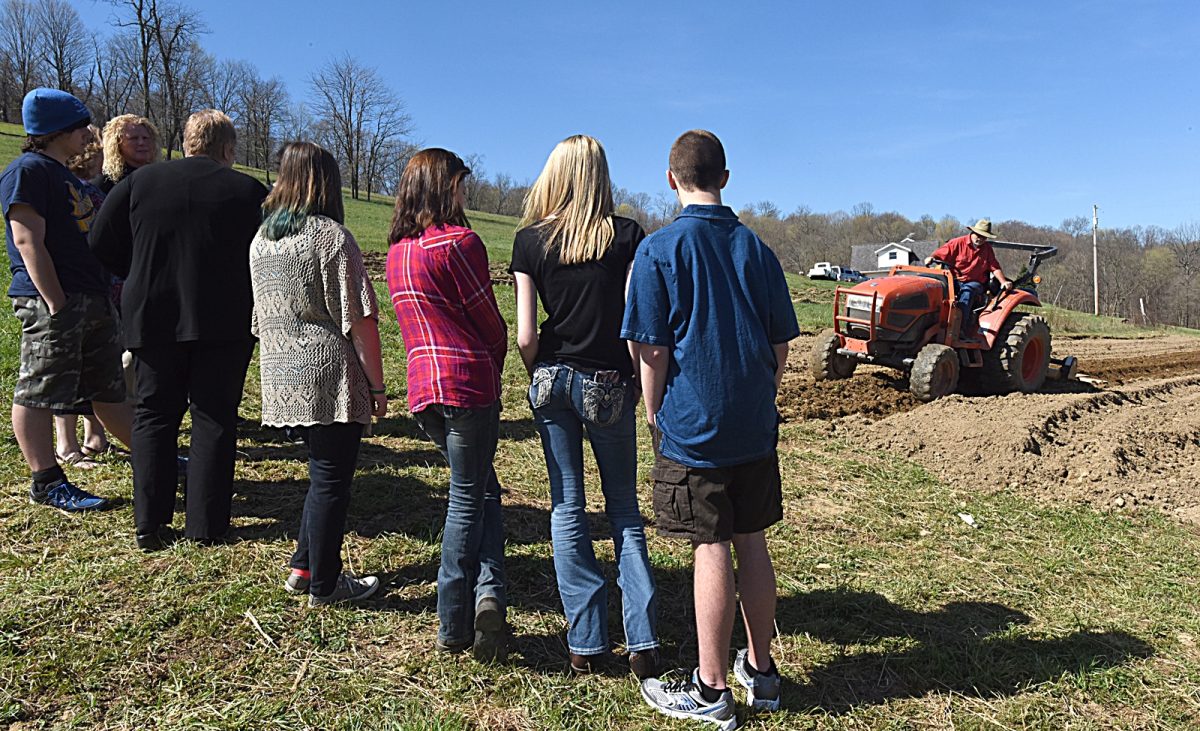
Joe Karnes demonstrates how he plows his fields in North Franklin Township to students from Trinity High School agriculture classes in this 2016 photo.
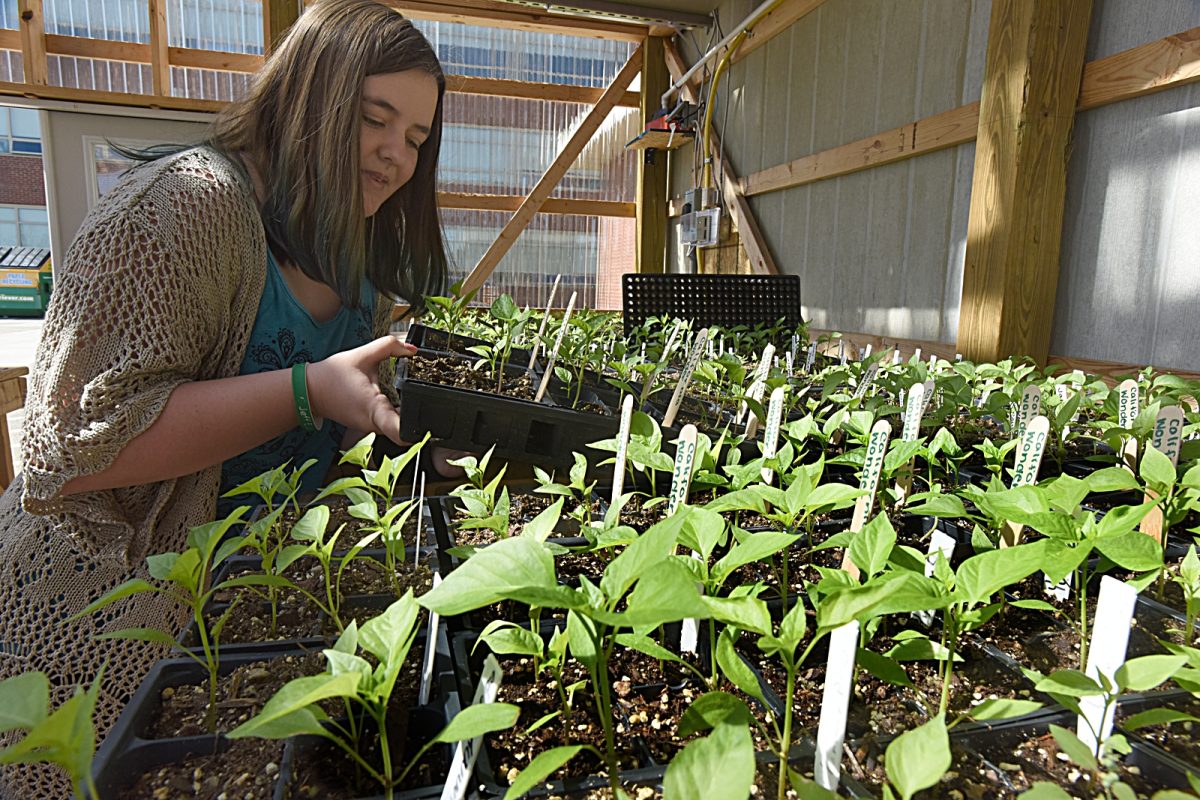
Allana McCoy, a senior at Trinity High School, works with California Wonder peppers in the greenhouse at the high school. Through the “pizza farm” project, students will transplant plants grown in the greenhouse to the Joe Karnes farm in North Franklin Township.
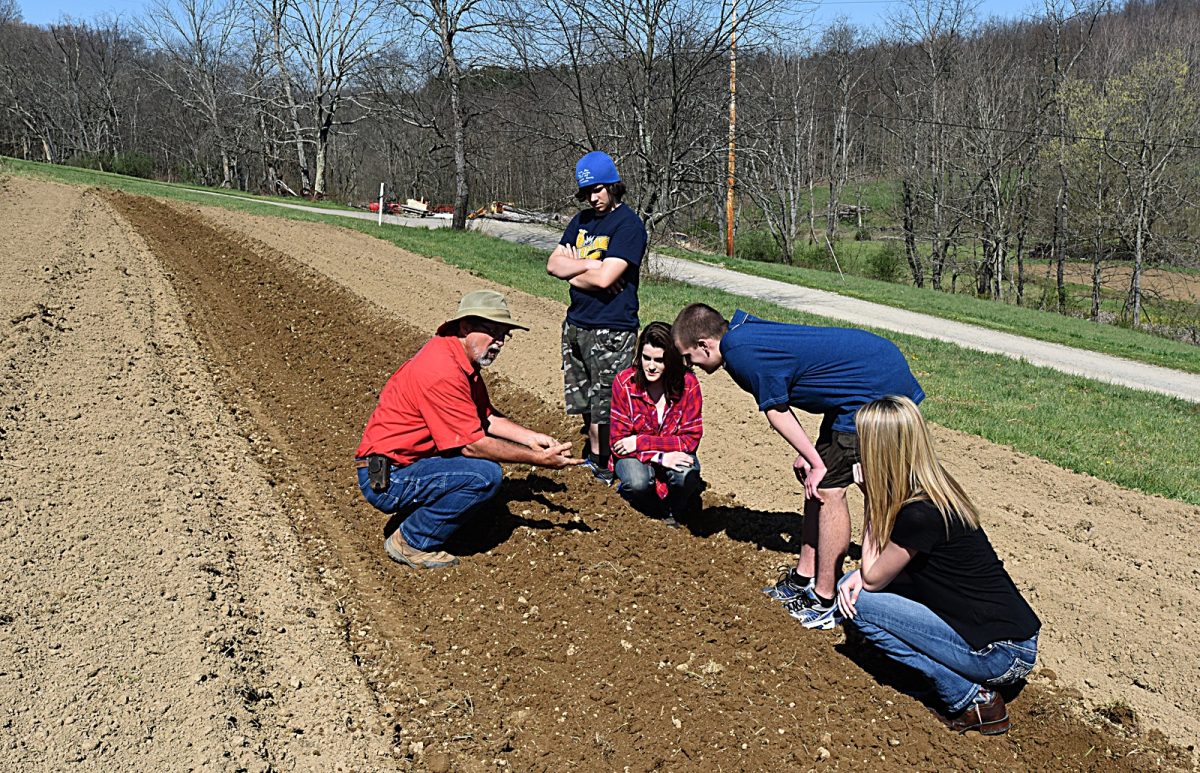
Joe Karnes talks with Trinity High School students about the soil prior to planting his fields in North Franklin Township. With Karnes, from left, are Andrew Hobgood, Ashlee Hobgood, Jordan Chakos and Paige Riggle.
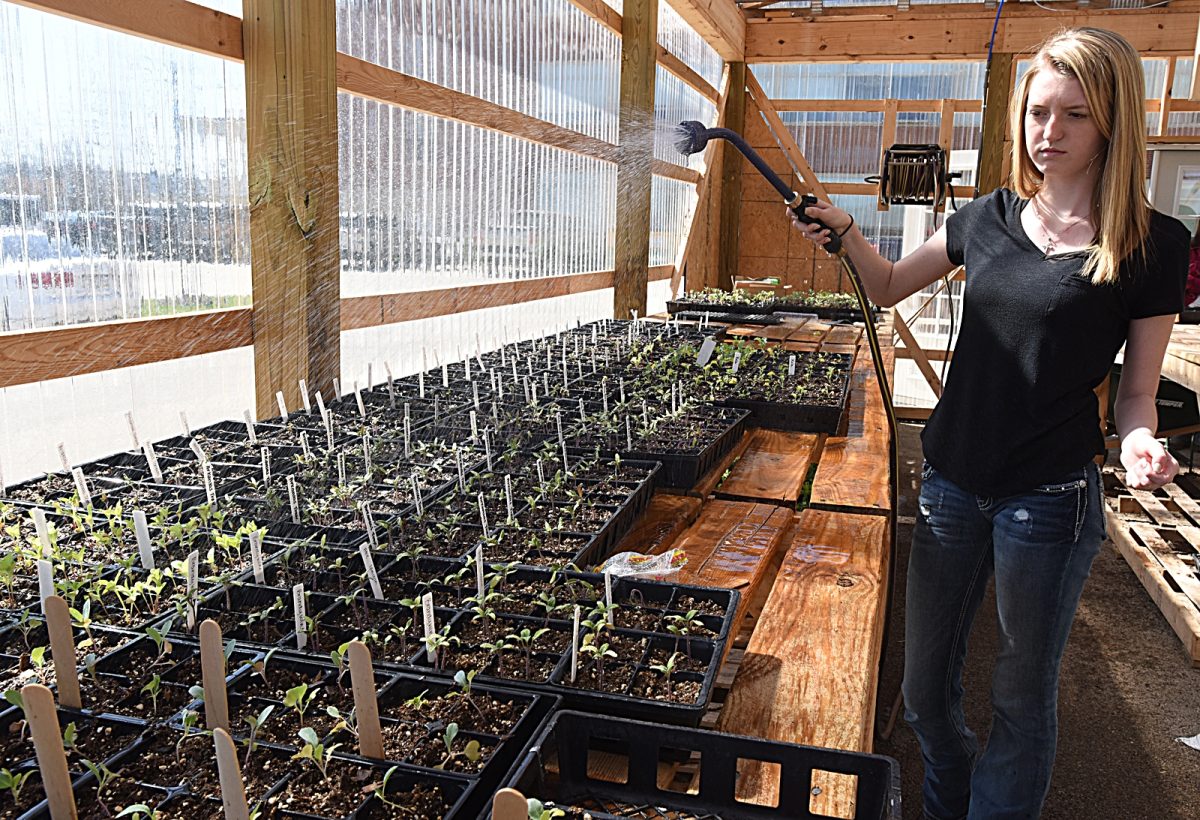
Paige Riggle, a ninth-grade student at Trinity High School, waters tomato and cabbage plants that will be transplanted at the Joe Karnes farm in North Franklin Township.
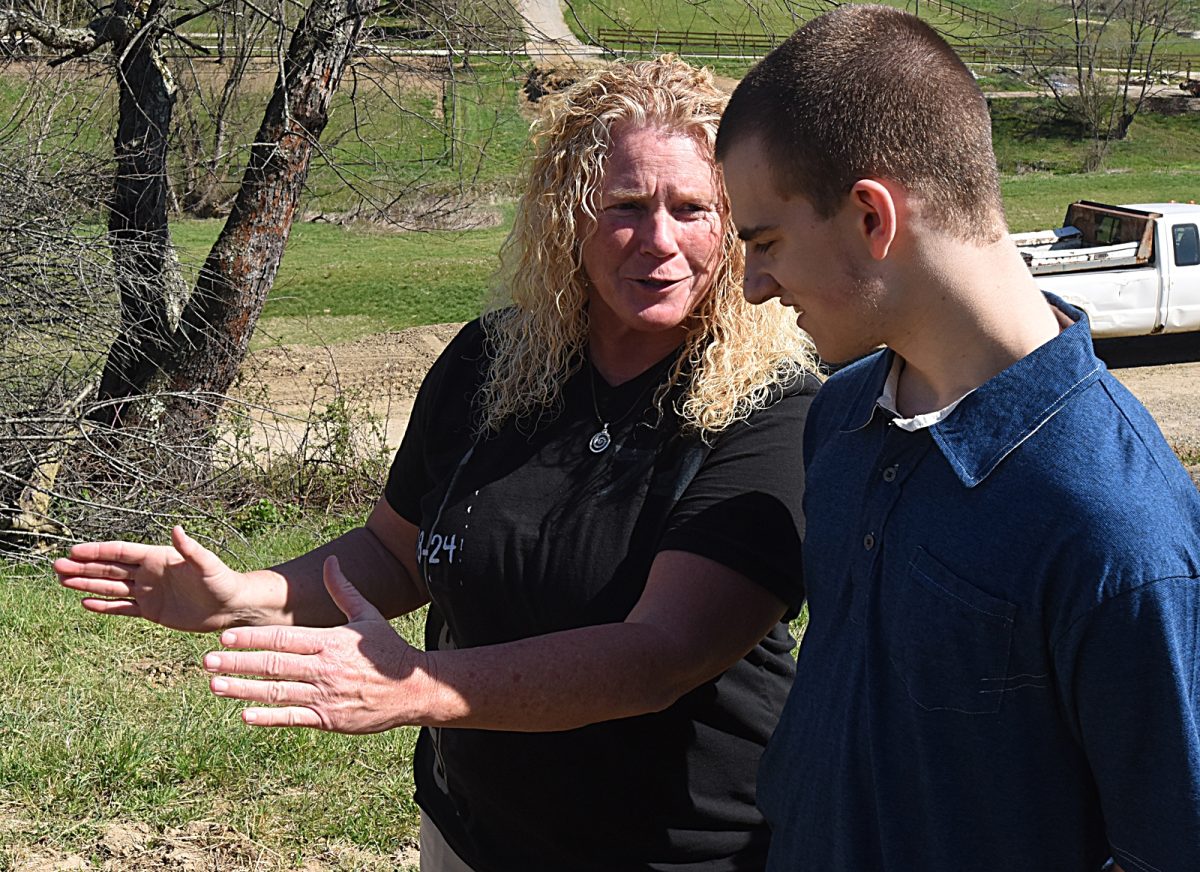
Bobbi Belleville, a life skills teacher at Trinity High School, talks with ninth-grader Jordan Chakos about farming at the Joe Karnes farm in North Franklin Township.
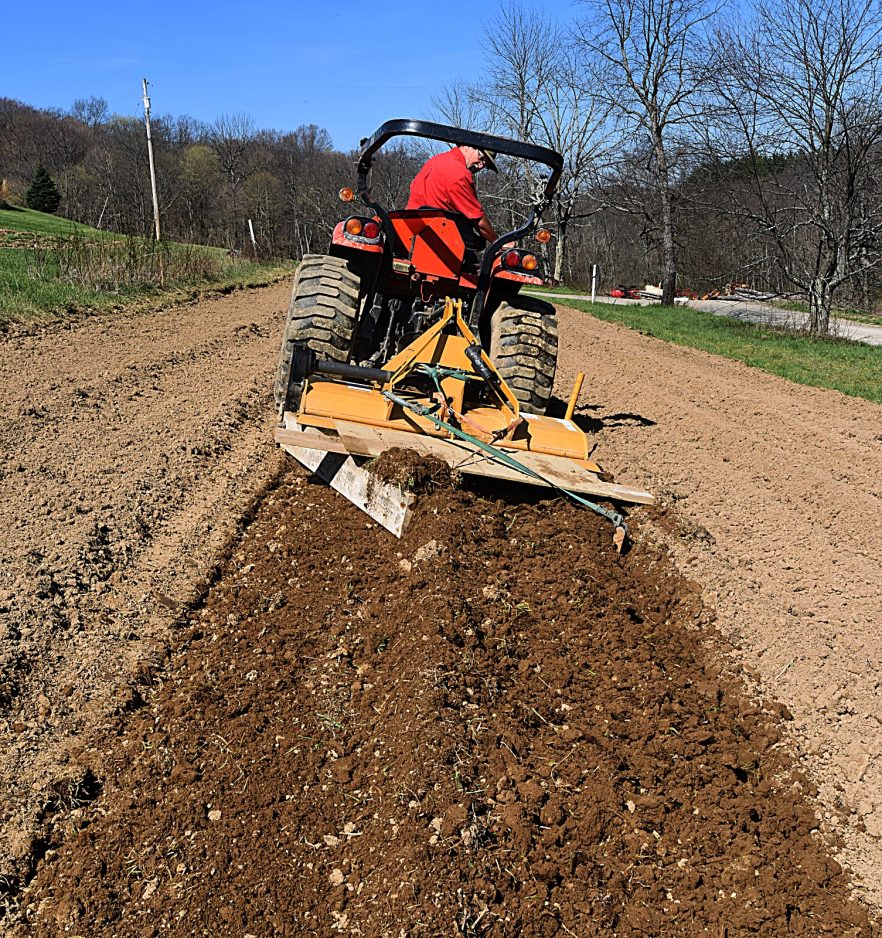
Joe Karnes demonstrates how he plows his fields in North Franklin Township for students from Trinity High School’s agriculture classes. The school is working with Karnes to grow a variety of vegetables on his farm.
Joe Karnes plans to grow more than just produce on his South Franklin Township farm.
He aims to grow pizza.
In a twist on the farm-to-table movement, Karnes is collaborating with Trinity Area School District’s vocational-agricultural and life skills programs to start a pizza farm on his McElree Road property.
Pizza farms have become a trend in the Midwest, especially in Minnesota and Wisconsin, where small, family-run farms earn additional income by making fresh pizzas topped with organic meats, vegetables, cheeses and herbs produced on the farm and then baking the pizzas in wood-fired ovens.
Karnes has tilled a half-acre plot – round, like a pizza pie – for Trinity students to plant crops, including tomatoes, peppers, onions, sunflowers and soybeans for oil, and wheat for the pizza crust. Plans also call for students to raise a dairy cow and a pig.
Students from the vo-ag and life skills classes will help tend the crops throughout the summer, for which they will receive community service hours required for graduation.
“I see it as a great way to tie into Trinity’s vo-ag program,” said Karnes, a Trinity alumni. “There are a lot of ways we can complement the school’s curriculum. We can bring grade-school kids out, let them help plant in the spring and have a pizza party in the barn, then have one of the other grades come back in the fall and harvest the crops that were planted and have another pizza party.”
Karnes first envisioned launching a community garden when he was a kid growing up on the family farm. In 2009, he initiated a plan to plow and till lots and provide water for interested gardeners on a 10-acre section of the farm (he does not plan to profit from the endeavor). Those plans, however, fell through when, surprisingly, he got no responses from gardeners.
But the popularity of agritainment – entertainment endeavors on farms such as corn mazes and pizza farms – and the growth and success of community farms spurred Karnes to propose the venture with Trinity. Karnes’ daughter, Elisabeth, a substitute teacher at Trinity, helped Karnes lay out the framework for the pizza farm. His daughter Emily helps Karnes operate the farm.
Trinity vo-ag teacher Robin Durila is excited about the partnership.
“One of the biggest life lessons for a child to learn is to make their own food, whether that’s from plants or raising an animal. The pizza farm allows students to have a hands-on approach to growing food and to see how it’s used, from seed to harvest to finished product.”
During the last week of April, vo-ag and life skills students planted more than 100 pounds of potatoes on another portion of Karnes’s farm, and Durila said the students plan to donate crops grown on the farm to local organizations including the Washington Women’s Shelter, LeMoyne Community Center and community food bank pantries.
The pizza farm will be another significant agricultural program offered to students, who also raise crops on the West Middletown farm of Howard and Janet Snoke.
They grow and sell sunflowers, pumpkins and Indian corn on the farm to finance trips to the state farm show and a variety of field trips.
“We have to eat and we have to be able to give back to our community, and we, as educators, have to instill those values in kids and give them opportunities to do that,” said Durila.
Durila said students also are growing vegetables they started from seeds in the high school’s greenhouse and plan to give them to organizations that are starting community gardens.
Trinity FFA Chapter presented Karnes with the Honorary Chapter Degree for his “outstanding service to the FFA chapter.”
Said life skills teacher Bobbi Belleville, “This creates a huge opportunity for life skills students to be as independent as they can. What can promote independence more than growing your own food?”