

Smokers react to cigarette tax
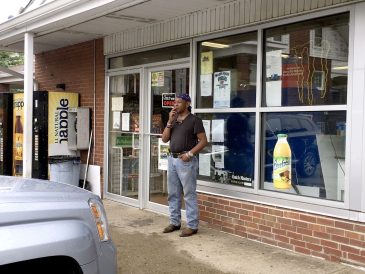
Don “Cowboy” Johnson, decked out in his signature brown leather belt, brass buckle and cowboy boots, made a declaration Thursday as he took a short smoke break.
“I’m quitting come the first of August. I’m getting tired of coughing,” said Johnson, an employee of B&K Market and Deli in Washington. “I’m enjoying my last three days.”
The Washington man, who has been smoking for more than 35 years, is using the increase in the state’s cigarette tax to kick the habit for good.
“I’m tired of hacking first thing in the morning. That extra dollar is just more incentive,” he said. “There are a number of people spending more on cigarettes than food. It’s like a drug addiction. It is a drug addiction.”
Johnson doesn’t want to be one of the Pennsylvania cigarette smokers who will have to cough up an extra $1 per pack starting today.
The higher tax imposed on cigarettes is expected to bring in about $430 million to help balance the state’s $31.5 billion budget.
“It’s bullcrap,” said Savannah May outside Nick’s Tobacco Outlet and Convenience Store in Washington while a friend ran in to make a purchase Wednesday.
May, who spends about $30 a week on cigarettes, said the increased cost won’t tempt her to quit. She’ll continue making semi-regular trips to West Virginia to purchase cheaper cigarettes.
“It depends on the price of gas, though,” May said. “One thing goes down and another goes up.”
Butch Harps of Washington cuts down on the cost of his habit by rolling his own cigarettes. He said he spends about $6.50 for the equivalent of a packaged carton, which can cost up to $75.
Harps won’t avoid increased prices, though. Snuff, chewing tobacco and loose tobacco users will pay 55 cents more an ounce. Vapor products and electronic cigarettes will be hit with a new 40 percent wholesale tax.
Harps said the increased cost for loose tobacco, which takes effect Oct. 1, won’t deter him from smoking.
“I just wish I never started,” said Harps.
On July 13, state Rep. Rick Saccone, R-Elizabeth, who voted against the budget, spoke out against the cigarette tax, saying it targets poor residents and could lead to black market sales.
“People say, ‘Oh, sure, raise the cigarette tax.’ That’s the easiest one to increase,” said Saccone in a news release. “What is seldom mentioned is that high cigarette taxes encourage criminals to smuggle cigarettes from out of state. This underground trafficking funds a bevy of illegal activities. Our cigarette taxes will now be $3 a pack higher than those sold in West Virginia. Folks in the Philly area would be spending $4.25 per pack more than their neighbors in Delaware – an invitation for criminal exploitation.”