

Food surplus means lower prices for now
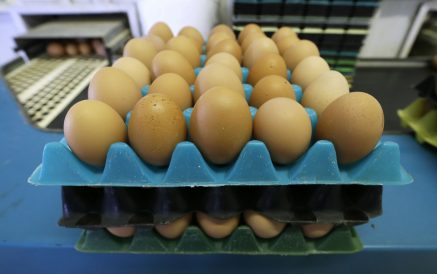
DES MOINES, Iowa – Warehouses, distribution centers and grocery stores are overflowing with food staples such as milk, eggs and frozen fruits and vegetables. The surplus is the result of increased production and decreased exports.
Take dairy, for example. With the most milk ever produced in the United States – about 24 billion gallons – that means there are record amounts of butter and cheese.
The glut of food means lower prices for consumers. Here is a short explanation of how the surplus came about and where it all goes:
Two years ago, high prices for milk, pork, poultry and eggs encouraged farmers to expand livestock operations. Plus, U.S. consumers were opening their wallets and trade partners were willing to keep buying our products. Add to that the cheap cost of animal feed that encouraged farmers to boost livestock’s weight before taking them to market.
But agriculture is a cyclical business: The relative high value of the dollar makes U.S. products more expensive to importers, so they’ve slowed their buying. Last year’s bird flu crisis also caused many trade partners to stop taking eggs and turkey and chicken meat, and while production of eggs returned, demand isn’t fully restored.
Those factors and others suppressed demand, but the cows keep pumping out milk and veggies continue to grow, resulting in a surplus of certain types of food.
Step into the freezer. The 1.24 billion pounds of cheese in refrigerated warehouses in August was the largest supply since records began in 1921. That included nearly 770 million pounds of American cheese and 25.7 million pounds of Swiss.
Other stockpiles included:
• 322 million pounds of butter (up 52 percent from a year ago).
• 1.52 billion pounds of frozen fruit, including 377 million pounds of strawberries and 313 million pounds of blueberries.
• 1.31 billion pounds of frozen poultry (chicken and turkey), up 4 percent from a year ago.
But not everything is being stored. The U.S. Department of Agriculture announced in August it was buying 11 million pounds of cheese for $20 million and sending it to food banks and food pantries through a government nutrition assistance program.
Farm organizations also are boosting their efforts to improve U.S. exports and move some of the glut out of the country.
Food prices depend on factors beyond just supply, such as weather and oil prices. Given those unpredictable factors, the USDA expects supermarket prices overall to rise 1 to 2 percent next year for beef, veal, pork, eggs, poultry and fresh fruit.