

Amwell appeal expected
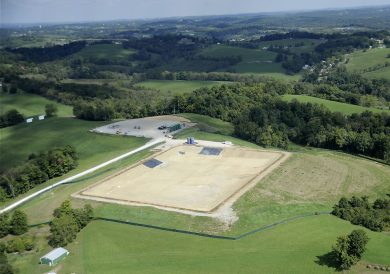
Attorneys representing an Amwell Township man expect to appeal a Commonwealth Court opinion that found evidence they presented “did not outweigh strong, conflicting evidence that the contaminants in his well water, particularly in the ratios and concentrations detected, were naturally occurring and not unique to oil and gas activities” at a nearby natural gas well operated by Range Resources.
Attorney John Smith, who represents Loren Kiskadden, said he has 30 days from the Oct. 26 ruling to appeal the case to the state Supreme Court.
“While my client takes some solace in the court’s finding Range’s practices at the Yeager site ‘irresponsible in the extreme, bordering on reprehensible,'” Smith said, quoting language from the majority opinion, “that is not a substitute for clean drinking water, especially when the federal government has found his water was contaminated.”
Kiskadden complained to the Department of Environmental Protection in 2011 that his “well water foamed, contained gray sludge-like matter and had a rotten egg odor,” according to the 44-page opinion. Regulators tested his water and found it polluted, but determined it wasn’t caused by activities at the Yeager site. Kiskadden brought his case to the Environmental Hearing Board, which concluded last year “Kiskadden did not prove a hydrogeological connection between his well and the Yeager site.” The appellate court’s 6-1 ruling affirmed that decision.
In the majority opinion, Commonwealth Court called a list of 16 spills and leaks at the Yeager site in 2010 and 2011 – some of which were never reported to DEP – “troubling,” but found evidence presented by Kiskadden’s attorneys didn’t prevail over “other credible evidence refuting the existence or likelihood of a physical pathway” between the site and his well.
Range spokesman Matt Pitzarella said the “decision again upholds a determination made by a panel of environmental judges at the EHB and an exhaustive investigation from regulatory experts at the DEP concluding that oil and gas activity did not affect these water supplies. Range openly recognized some operational issues at the location, which resulted in the re-examination and improvement of best practices, but those issues did not result in impacts to this water supply, which was again affirmed by the courts, the EHB and the DEP.”
In a dissenting opinion, Judge Patricia A. McCullough faulted the hearing board for “hypothesizing that the (contaminants) ‘could have’ come from somewhere else, when it should have presumed that they came from the Yeager site.” She said she would have vacated the board’s decision and remanded it to “rectify this legal error with appropriate findings of fact and analysis.”
Smith said Kiskadden’s appeal will include evidence of contamination found in monitoring wells the court didn’t address. He also plans to argue that Commonwealth Court should have remanded the case to the hearing board so the court could weigh evidence – which he said Range withheld – that radioactive and chemical tracers were used at the well site.
Again pointing to language from the majority opinion, Smith said, “The court reognized the importance of a ‘unique, distinguishing tracer, a silver bullet so to speak.’ In recognizing that, we’ve come to learn that at least 10 chemical tracers and at least three radioactive tracers were used at the site, yet never diclosed to Mr. Kiskadden or to the Environmental Hearing Board at trial.”