

Looking back: The ‘Father of Black Nationalism’
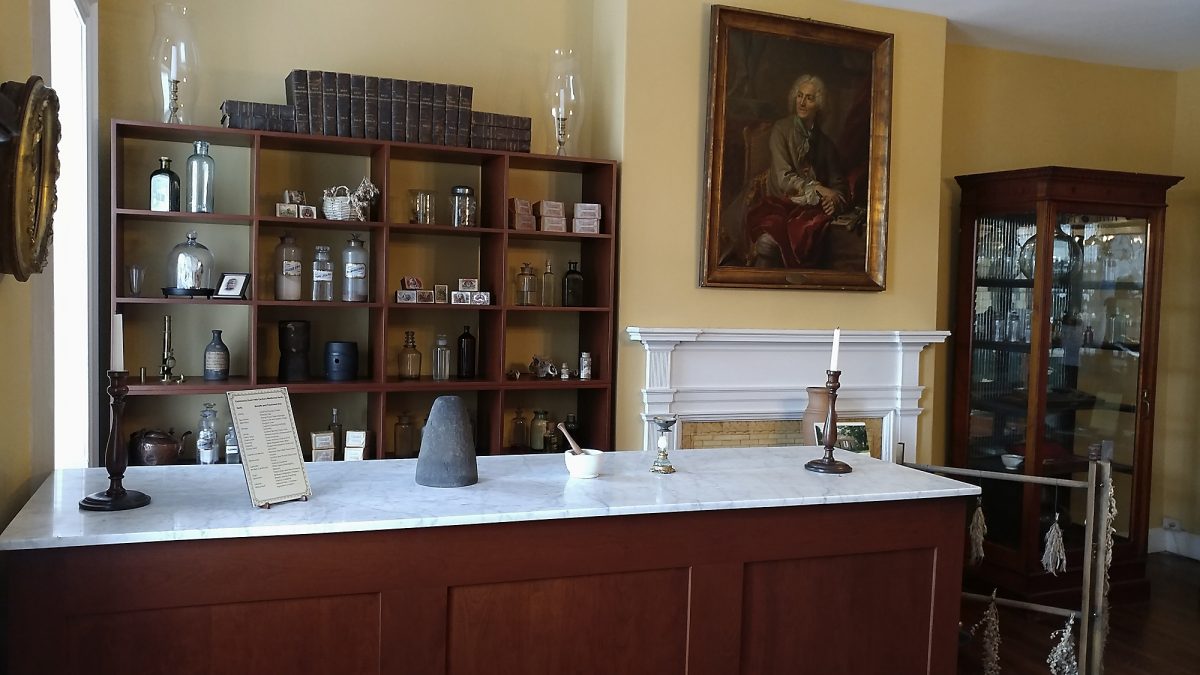
Photo courtesy of the Washington County Historical Society The apothecary shop in the Francis J. LeMoyne House in Washington
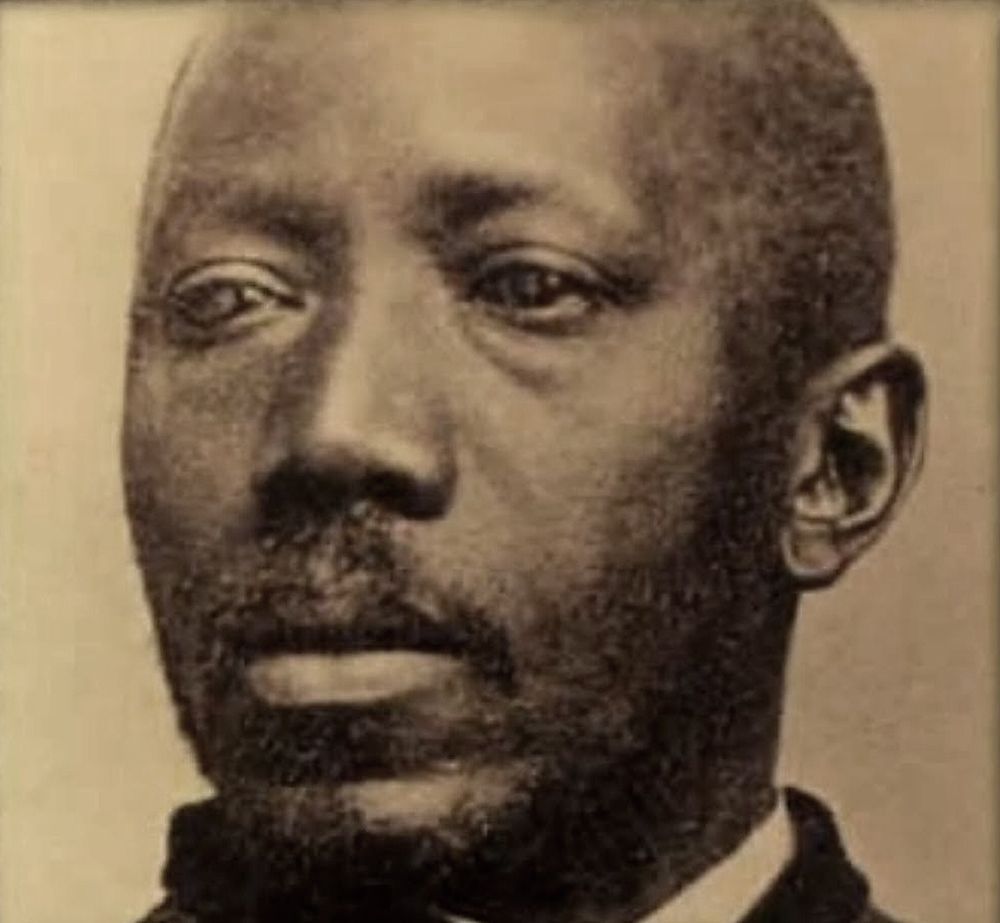
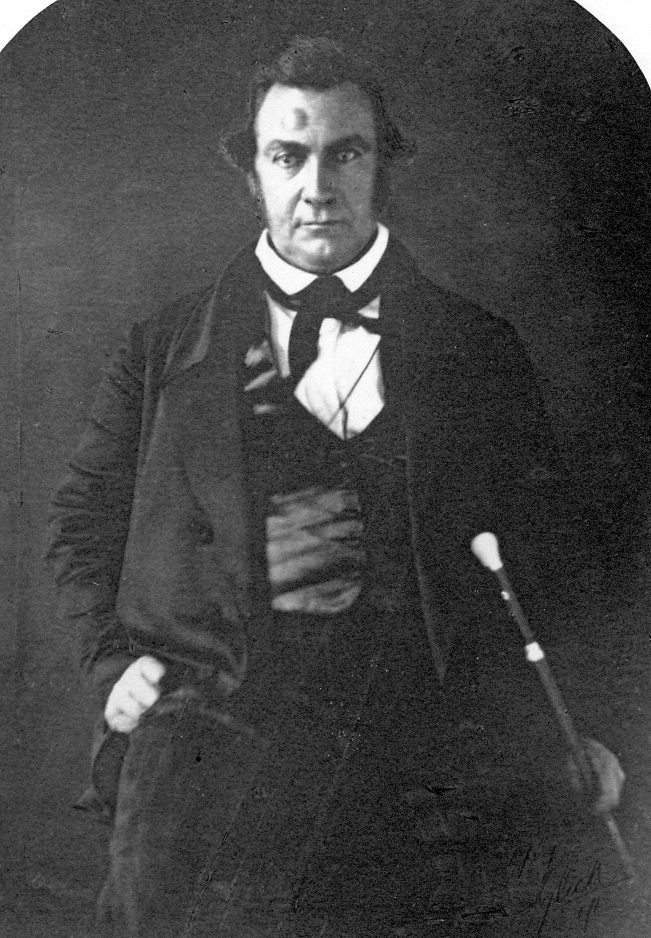
Dr. Francis J. LeMoyne
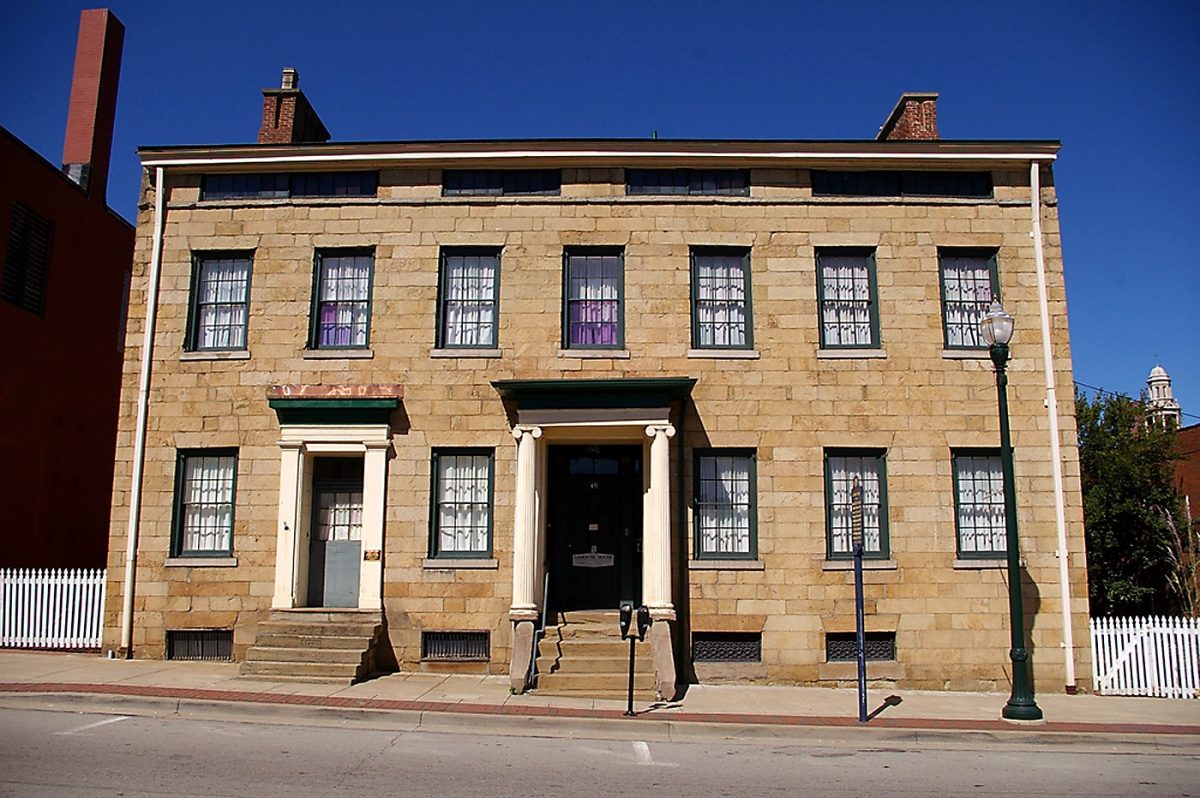
Photo courtesy of the Washington County Historical Society Martin Delany apprenticed with Dr. Francis J. LeMoyne in his home here on East Maiden Street in Washington.
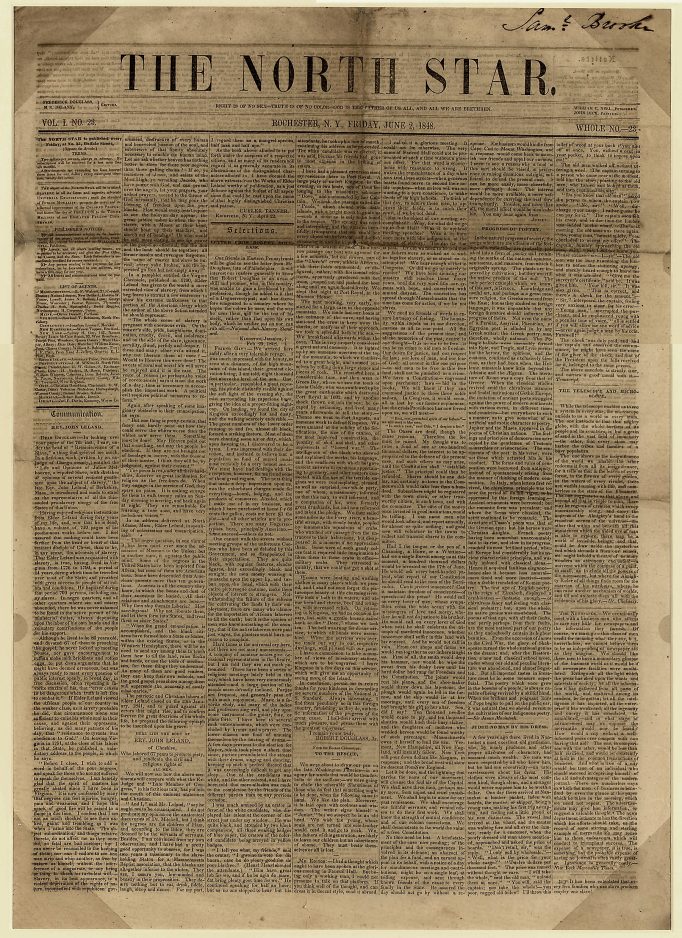
Photo courtesy of the Washington County Historical Society A page from the anti-slavery newspaper, The North Star
Editor’s note: This the first of a monthly historical column contributed by Clay Kilgore, executive director of Washington County Historical Society and graduate of Penn State Behrend with a degree in history. In honor of Black History Month, Kilgore looks back at Martin Delany, known as the “Father of Black Nationalism.”
By Clay Kilgore
In the 1820s and ’30s, the home of Francis J. LeMoyne on East Maiden Street in Washington was a hub of activity.
Besides being a prominent abolitionist and holding regular meetings of abolitionist societies in his home, LeMoyne was also a businessman and a surgeon. Visitors came daily to be treated by him and his father, who was also a physician and surgeon. His practice would continue to grow throughout the two decades, and he often drew the attention of those wishing to become doctors themselves.
That being the case, Francis LeMoyne often took in young men as apprentices. One such individual was Martin Delany. Delany is now known as the “Father of Black Nationalism,” but when he came to study under LeMoyne in the 1830s, Delany simply wanted to become a doctor.
Delany was born in Charles Town, Va. (now West Virginia), in 1812 to a slave father, Samuel, and mother, Pati, a free woman. Delany would spend the first 10 years of his life in Charles Town in constant fear of being forced into slavery. There also existed an ongoing fear of persecution, as Pati was teaching Martin and his siblings to read and write. It was because of these fears that in 1822, Pati moved her family north to Chambersburg, Pa. At the age of 19, after moving west to Pittsburgh, Delany would continue his education by studying nights at an African-American church while working during the day to help support his family.
The MysteryThe North Star.
As his ideas on black nationalism continued to develop, he would publish The Condition, Elevation, Emigration, and Destiny of the Colored People of the United States. Delany would write that African-Americans were “… denied an equality not only of political but of natural rights …” He believed that African-Americans would never gain their rights in the United States and supported emigration to a new homeland in Africa.
In the mid-1850s, he traveled to Africa on two different occasions to find and negotiate land for his idea, but was unsuccessful on both trips. In 1856, due to a lack of support for his emigration ideas and frustration over slavery in the United States, Delany moved to Canada.
He returned to America, though, in 1861, at the onset of the Civil War to recruit soldiers for the Union Army. Although the goal of the Union at this time was not to abolish slavery, Delany felt it could be a likely outcome from a northern victory. His recruitments helped to fill several African-American units, including the famed 54th Massachusetts Regiment. Delany’s son, Toussaint L’Ouverture Delany, left school at the age of 15 to join the 54th. Delany himself volunteered and served as a surgeon for the 54th. In 1865, he received the commission of major in the 52nd U.S. Colored Troops Regiment, making him the highest ranking African-American officer up to that point.
As the Civil War came to an end and Reconstruction began, Delany was appointed to the Freedman’s Bureau, whose aim was to settle former slaves, provide medical aid and establish schools. Frustrated with the path Reconstruction was taking, Delany once again promoted the idea of emigration. As before, his plan never picked up much steam. He spent his later years involved in politics, always petitioning for equality for African-Americans, and he continued with his medical practice.
Martin Delany died in Xenia, Ohio, on January 24, 1885. Although he never saw the dream of an African-American homeland become a reality, he was one of the most influential figures in the abolishment of slavery and development of black nationalism. His ideas would transcend generations and would be revisited in the anti-segregation and Black Pride movements of the 1960s and ’70s, where he gained the nickname, “Father of Black Nationalism.”