

Prepping for spring
This article will be a little different from previous. I would like to address details that are in a number of different subjects which have a tendency of being forgotten. These details are things that can be accomplished during the first three months of the year, especially in Western Pennsylvania where our weather is so up and down.
First, I would like to address our compost piles. No matter what size you have, from a small bin to an 8-by-8-by-4-foot holding unit, we should continue to add material to them. If you have the smaller bin type or small holding units 3-by-3-by-3-feet or smaller, I would keep several garbage bags with grass clippings and/or leaves in them to cover any kitchen waste you add in the winter. On the warmer days it is a good practice to check the temperature in the center of the heap. While doing this, you will see how moist it still is and how much it has decomposed. In Southwestern Pennsylvania, it will probably be fine, damp and in the 40- to 50-degree range. If you have access to a composting thermometer, you can check the temperature in the center very easily. You will have some good compost for your gardens and for transplanting in the spring. I personally like to turn it over the first part of March to help speed the process.
The next thing I would remind people to do is take care of their garden tools if they did not do it at the end of the growing season. Shovels, spades, cultivators, hoes, trowels all need to be cleaned. Remove all dirt, file away any rust and put an edge on them with a file. Wipe with a very mild solution of bleach and water. Dry and wipe a very thin coat of oil to keep from rusting over the winter storage period. The pruning shears and tree branch trimming saws should also be cleaned. Sharpening is a must to provide good, clean cuts when put to use in the spring. The blades on your mowers should also be addressed. A mower blade that is sharp will not tear the blades of grass and, if you have a mulching mower, mulch the grass better. Many local equipment suppliers have special deals for your mowers during the winter months. Hopefully you also remembered to treat the gas in your equipment so it will not deteriorate over the winter. One other note that many forget is the cleaning and sterilizing of their used pots. The same solution used on the tools can be used on the pots.
The next topic is pruning of your trees and shrubs; the end of winter is the best time to do this. Apples, pears, grapes and certain vines are examples. Even dead growth on plants can be removed. I like to start doing this from the middle of January through March. That way, I should have several mild days on hand to accomplish these tasks. It is a little uncomfortable to work when it is 30 and below. If you can get this trimming done now, you will have more time to attend to your garden prep and planting in the spring. Check with your extension office as to the time to prune your individual trees and shrubs.
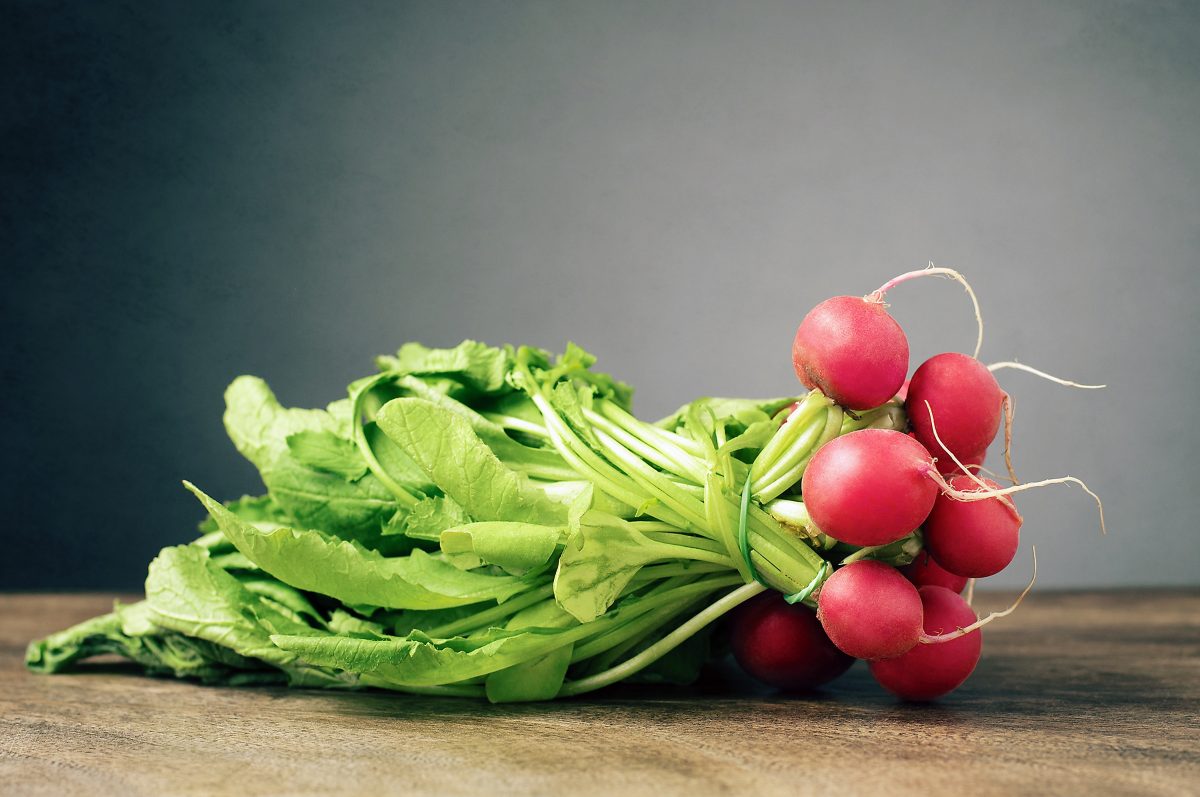
Another operation I like to perform is to get a “hot bed” or cold frame ready for February planting. Lettuce, spinach, radishes and peas are examples of vegetables that you can grow and start enjoying instead of visiting the grocery store. They are easy to put together and your local master gardeners can help you with getting the process started. When March arrives and the soil in a section of your garden can be worked, these vegetables can be planted there on a rotation basis to have a continuous crop through the spring.
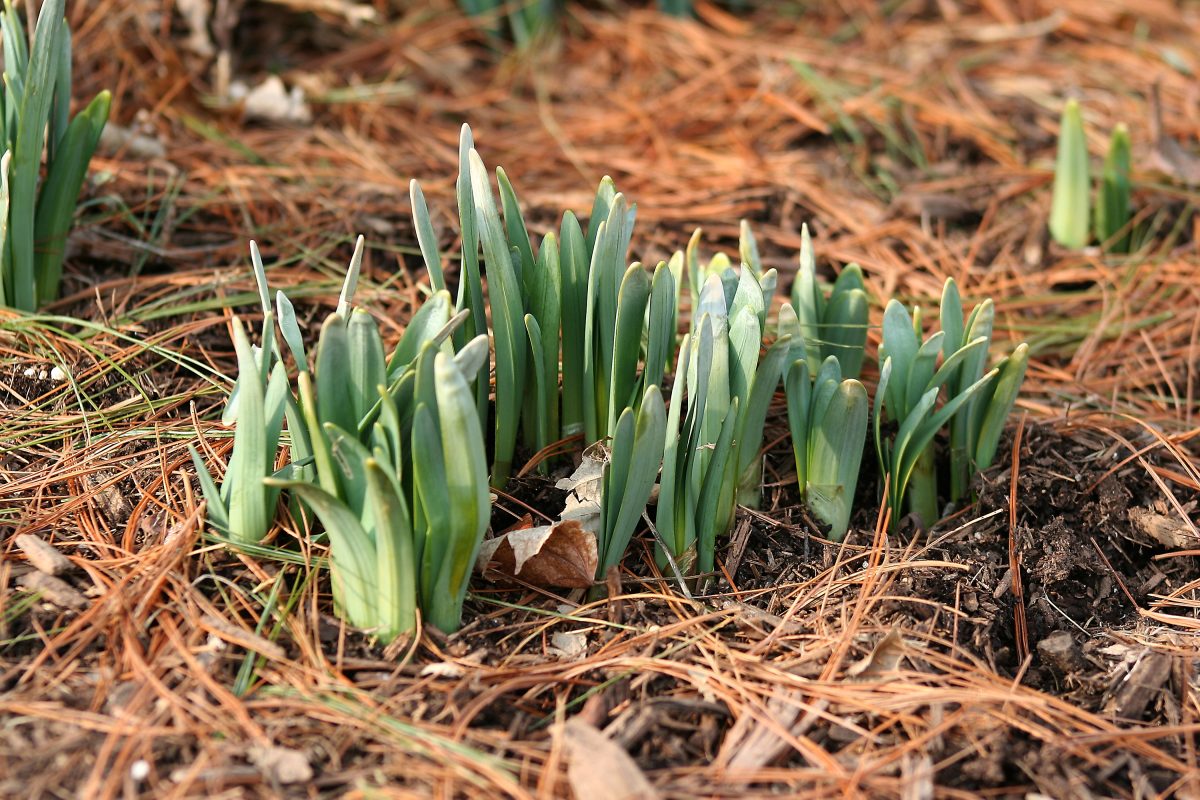
With spring and warmer weather arriving, you should check the spring bulbs that have been planted. If mulch has been applied, it should be checked and loosened from around the growing tips of these plants. Leave several inches around the plants. On perennials, tuck the mulch around the plants, but do not cover the crowns. Frost will cause plants to heave, so it is also time to tuck them back into the ground. When March arrives, the mulch can then be removed from around the base of the perennials.
Contact your master gardeners at your extension office with any further questions you may have. And on another note, the Greene County Master Gardeners will be having their spring gardening seminar April 8 at the Greene County fairgrounds. For more information, call the extension office at 724-627-3745.