

Notice: Undefined variable: paywall_console_msg in /usr/web/cs-washington.ogdennews.com/wp-content/themes/News_Core_2023_WashCluster/includes/single/single_post_meta_query.php on line 71
Notice: Undefined offset: 0 in /usr/web/cs-washington.ogdennews.com/wp-content/themes/News_Core_2023_WashCluster/single.php on line 18
Notice: Trying to get property 'cat_ID' of non-object in /usr/web/cs-washington.ogdennews.com/wp-content/themes/News_Core_2023_WashCluster/single.php on line 18
A friend in need
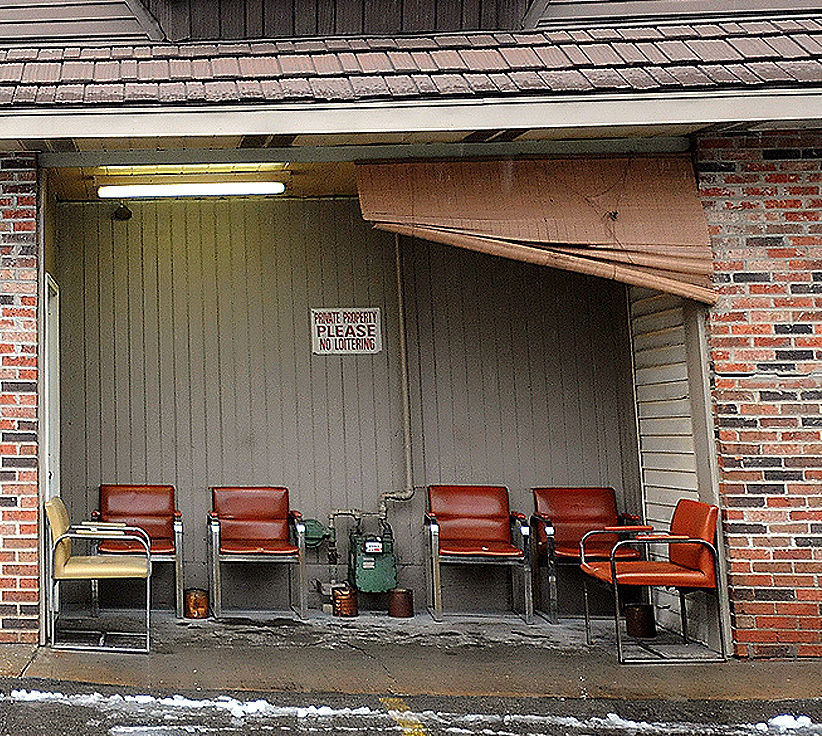
Exterior of Safe Haven in Washington
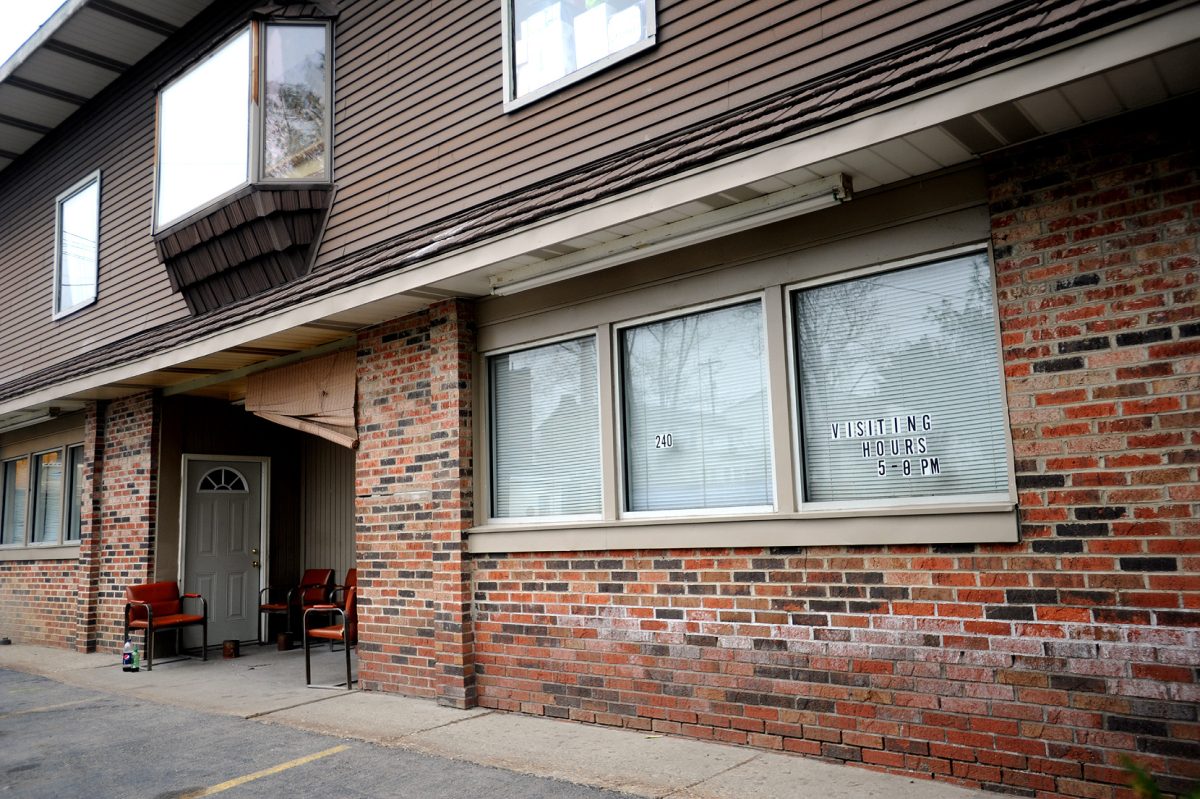
####_PHO_safehaven_01 Katie Roupe / Observer-Reporter Safe Haven on North College Street in Washington, Pa is a shelter. It provides beds, a common area and a kitchen.
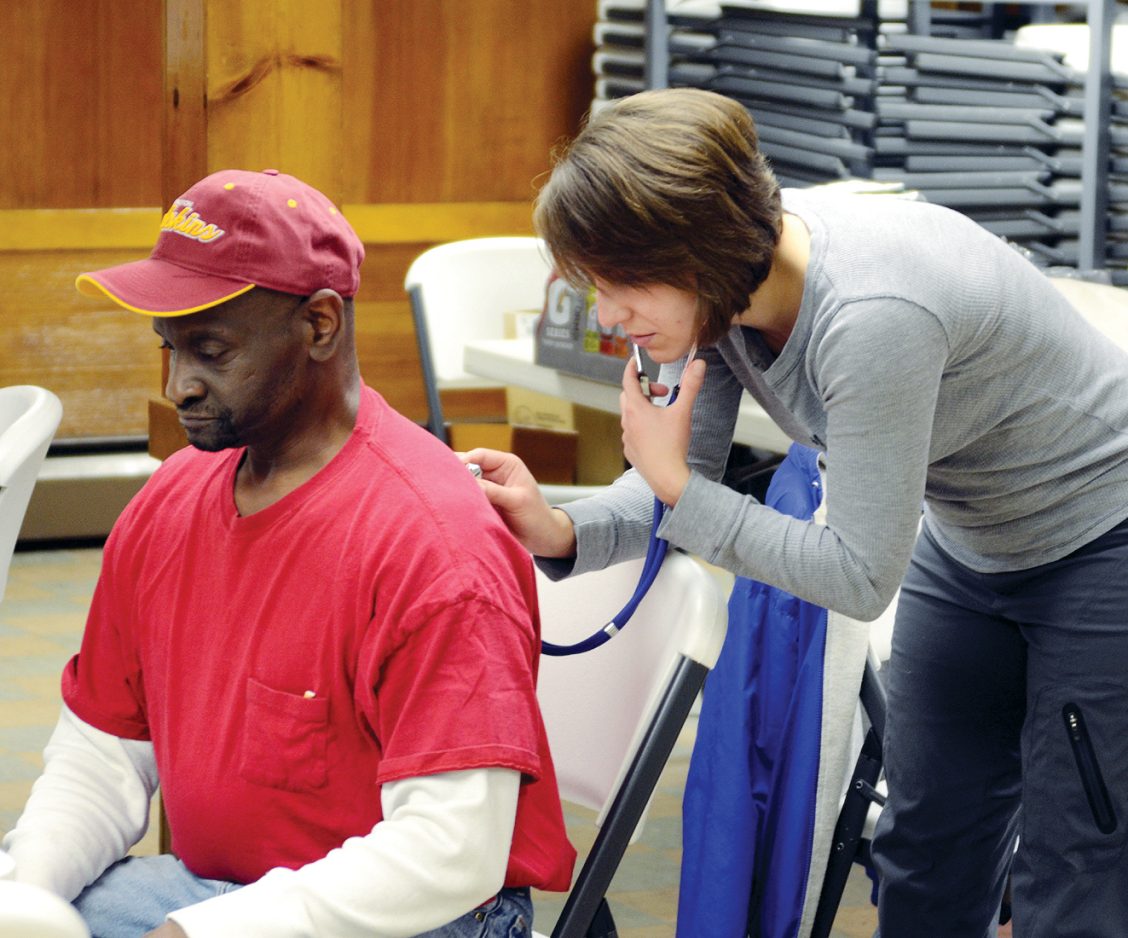
Medical student Jessica Fike listens to an unidentified man’s lungs at a biweekly WeCare Street Outreach dinner at Jefferson Avenue United Methodist Church in Washington.
Notice: Undefined offset: 0 in /usr/web/cs-washington.ogdennews.com/wp-content/themes/News_Core_2023_WashCluster/includes/single/strategically_placed_photos_article.php on line 412
Notice: Trying to get property 'term_id' of non-object in /usr/web/cs-washington.ogdennews.com/wp-content/themes/News_Core_2023_WashCluster/includes/single/strategically_placed_photos_article.php on line 412
Homelessness doesn’t discriminate.
The educated professionals, elderly, veterans, and women and children – the fastest growing population of homeless – knocking on the doors of Washington County emergency shelters are proof of that.
“No one is immune to the problems that cause homelessness,” said Jennifer Johnson, housing/homeless coordinator at the Washington County Department of Human Services, who acknowledges that homelessness is as present here as anywhere else in the country.
The reasons for homelessness vary: A shortage of affordable housing, a job loss or a low-paying job, serious illness, drug abuse, mental health issues or an abusive relationship can force people onto the streets and into shelters.
Washington County has four emergency shelters that provide temporary housing and support services for homeless individuals and families. The shelters are run by community nonprofit organizations, all operating on shoestring budgets. They all face the same challenges: providing shelter for a steady influx of homeless – the shelters regularly are forced to turn away people, and there’s a waiting list for beds – while trying to find funding for services.
“Everything’s being cut back, but the needs of the homeless are increasing, which puts pressure on the local governments and organizations working to help them,” said Washington County Commissioner Harlan Shober.
Greene County does not offer emergency homeless shelters, which puts an extra burden on the Washington facilities.
Two of those shelters – Washington Family Shelter and Family Promise of Southwestern Pennsylvania – can collectively support eight homeless families. Avis Arbor Women’s Shelter and Domestic Violence Services of Southwestern Pennsylvania serve women and their children. The City Mission, which operates Avis Arbor, provides shelter for men.
Safe Haven, not considered an emergency shelter, offers extended shelter stays for men and women with mental illness.
The largest shelter is the City Mission, a 56-bed residential shelter whose goal is to “end homelessness one life at a time.”
During the winter or in weather emergencies, the mission makes space available in the chapel.
The mission also provided more than 79,000 hot meals last year, and works to help the homeless establish a relationship with God.
“Our objective is to get people into the shelter because of the services that are available. Our case managers can help them get access to services, to reduce or eliminate the barriers that keep them from living as independently as possible,” said Dean Gartland, mission president and chief executive officer. “If we can assist one person and get them off the streets, then to me that’s success. They are survivors – some are sleeping in cars, others are living in makeshift tents on the edge of the city – but their quality of life is not good.”
Avis Arbor has tripled the number of beds available to 40 in the past decade to meet the increased need for emergency services for women and their children, but still is unable to meet the demand. Avis Arbor served more than 200 women and children last year.
Both the City Mission and Avis Arbor are funded primarily through donations and grants. The United Way provides some funding, too.
“It’s not easy. We’re able to secure funds through a strong fundraising effort,” said Gartland. “We have to make the mission more visible to the broader community. People can’t support what they don’t know exists.”
Laura Vincenti, director of Family Promise, said the number of homeless families seeking emergency shelter is alarming. According to the National Alliance to End Homelessness, 41 percent of the homeless population is comprised of families.
“Our mission is to keep families together. It’s very difficult for many families to make ends meet today,” said Vincenti. “Often, we work with families who were doing what they were supposed to do and then someone lost a job, or a marriage got broken up.”
She cites low wages and a lack of affordable housing as significant problems for many low-income families. Consider a basic two-bedroom apartment in Pennsylvania costs, on average, $825, meaning a person would have to earn at least $17.21 an hour – more than twice the state minimum wage – to afford it.
For example, in March, a couple and their six children were forced out of their apartment when the landlord raised the rent by $200 a month with no notice, Vincenti said.
In many cases, she has found, homeless families struggling to find jobs and housing don’t know how to access information and services that can help them overcome barriers and transition into a home.
Family Promise is funded largely by church partnerships and individual and corporate donations.
Domestic Violence Services offers emergency shelter to Washington and Greene County women and their children who are victims of domestic violence.
Overall, 12.3 percent of the sheltered homeless population are domestic violence survivors, according to the U.S. Department of Housing and Urban Development’s 2010 annual homelessness assessment report.
“We are always full,” said director Michelle Robinson Ritter.
The Washington shelter has 15 beds, and last year 380 women and children spent time there – the equivalent of 5,646 total shelter nights, Robinson said.
The shelter also offers access to trained domestic violence counselors 24 hours a day, seven days a week, and provides food and clothing.
“We serve a homeless population with very special needs. They’re out of a home, through no fault of their own,” said Ritter.
Connect Inc., an affiliate corporation of Southwestern Pennsylvania Human Services, operates Washington Family Shelter, which houses up to four families for 60 days and helps residents find jobs and safe, affordable housing, and Safe Haven, which offers 20 beds for men and women with mental illness. Safe Haven shares a building with the Family Center.
To meet the demand of homelessness, Safe Haven, has placed cots in hallways to provide a refuge for men and women with a mental health diagnosis and nowhere else to go.
“We definitely need more space. It’s not the most beautiful building, but we make do with what we have,” said Rebecca Cook, director of Safe Haven and the Family Shelter. “The most important thing we do is put a roof over someone’s head, and lead them to the path of self-sufficiency.”
Bill Leach, director of homeless and housing services for Connect, doesn’t think homelessness will ever be eradicated, but believes emergency shelters offer a necessary service for people in crisis until they can find housing and appropriate services – the keys to reducing homelessness.
Leach gave this example: a formerly homeless Vietnam War veteran known as “the shopping cart guy” who stayed frequently at Safe Haven.
“His problems are multiple: he has post-traumatic stress syndrome and suffers from mental illness. But he hasn’t been on the street for five years. He’s not going to die of exposure or die at the hands of a criminal who’s stealing his stuff,” said Leach. “Are we ever going to solve all of his problems? Probably not. But we’ve made progress.”