

Using a macro lens: O-R photographer gets up close and personal with subjects
Holly Tonini/Observer-Reporter
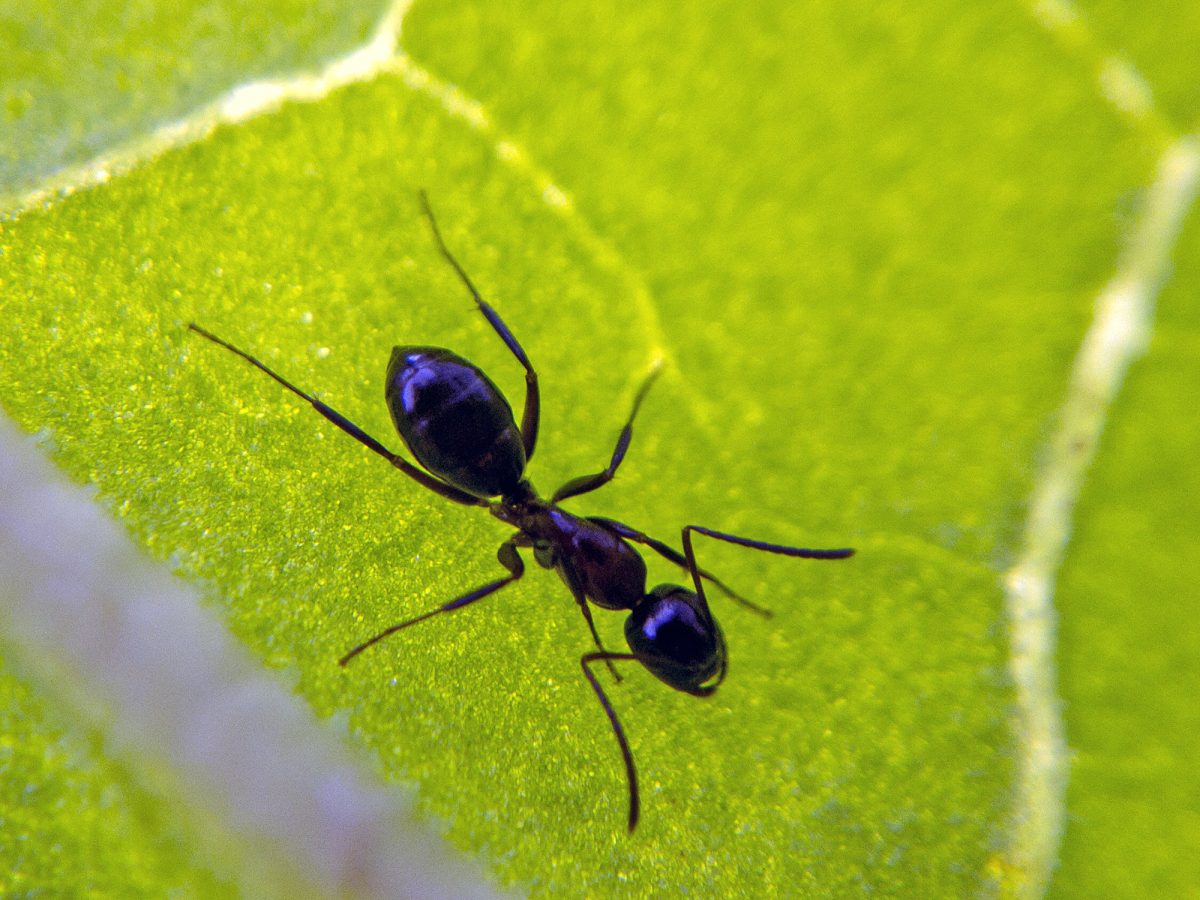
Carpenter ants are wily ones to photograph with a macro clip on a smartphone. Ants tend to run away from the camera, and you need the lens up close and personal to get the image in focus. This one had no fear as I worked on gaining a clear photo of it. Between the wind moving the rhubarb leaf, and my hands shaking due to the angle, it took quite a few frames before this image was achieved.
Holly Tonini/Observer-Reporter
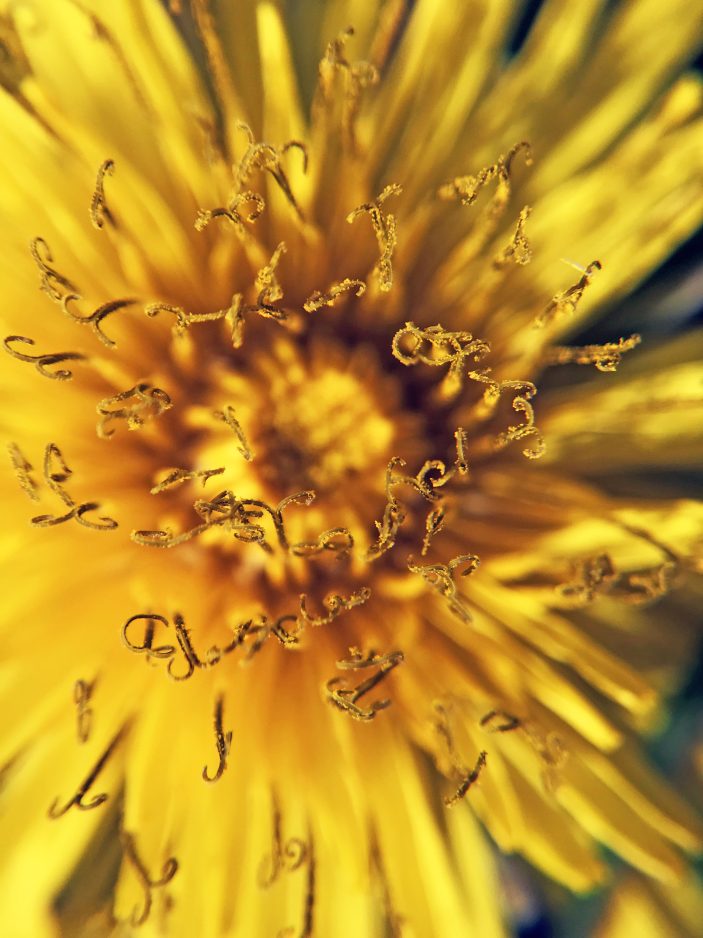
Macro photos, because of the shape and proximity of the lens, offer depths of fields that we just can’t see with the naked eye. This dandelion offers great depth of field as some of the petals wilt.
Holly Tonini/Observer-Reporter
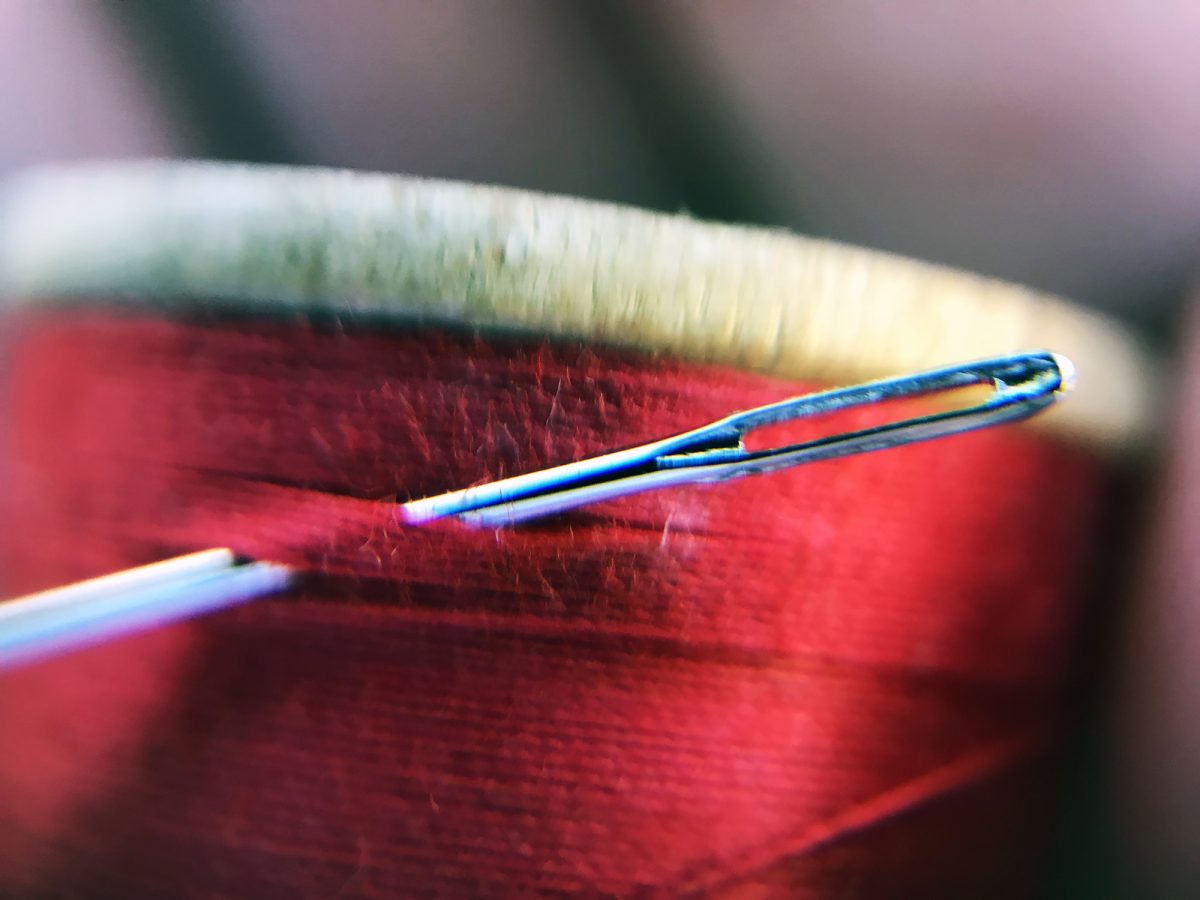
A macro lens makes it look like it would be an easy task to place the end of the thread through the eye of the needle, but those who sew know it’s a small feat every time a needle is threaded.
Holly Tonini/Observer-Reporter
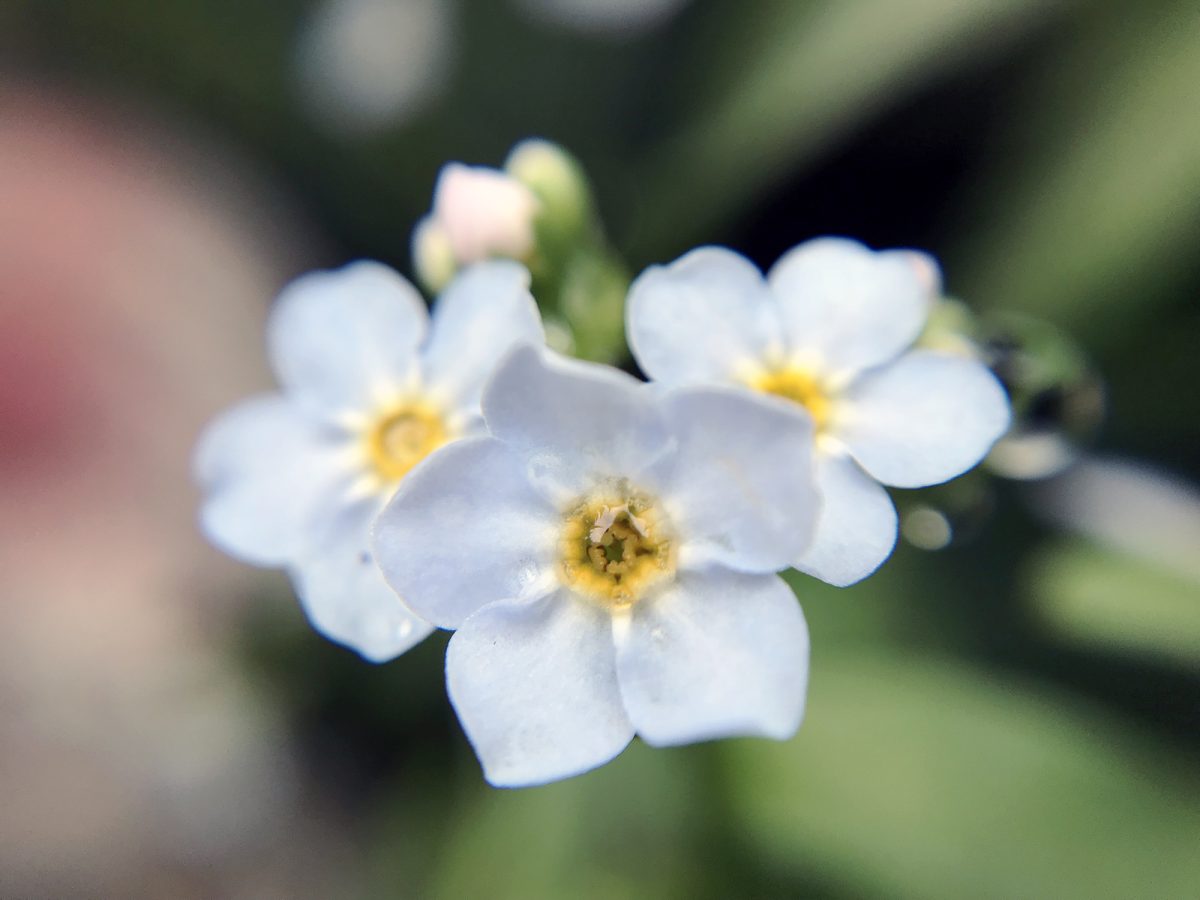
Forget-Me-Nots are one of my favorite flowers. They’re tiny, about the size of an eraser on a pencil, so a macro lens on a smartphone allows one to see the lovely blue and yellow colors of the flowers up close.
Holly Tonini/Observer-Reporter
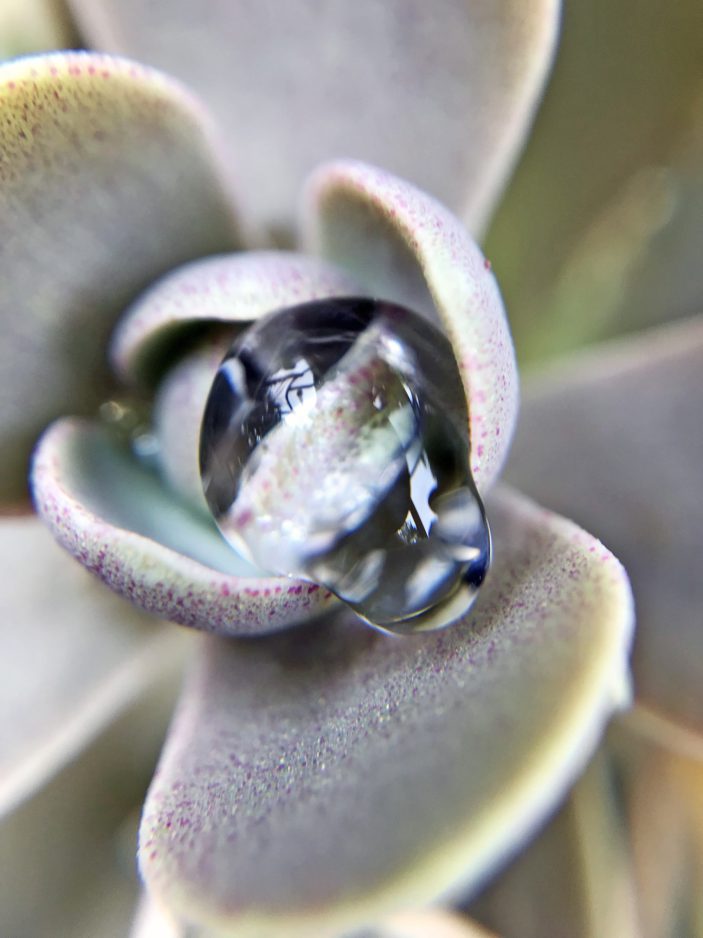
A water drop slowly slides off a succulent plant in a fairy garden at my home. A macro lens can show you just how magical water can be if it has landed in just the right spot.
Holly Tonini/Observer-Reporter
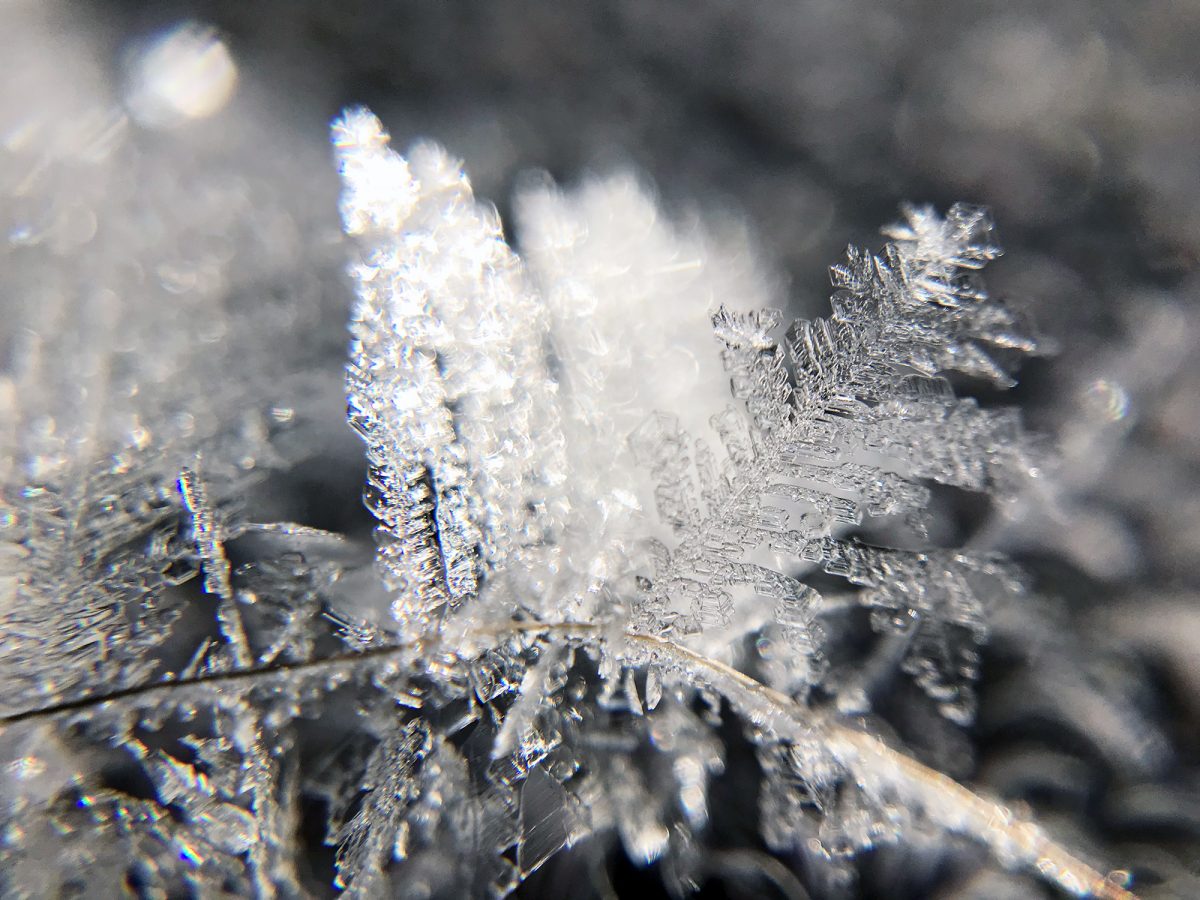
My first attempt with using my macro smartphone clip was on Jan. 14, when feather-like ice and snow crystals fells from the sky. Most melted right away, but those that landed on the back porch carpet stuck around long enough to take a few photos.
It started with a social media post.
I know, I know, you shouldn’t believe everything you read on the internet, but a friend sharing a post with me about a clip-on macro smartphone lens had me scouring the internet. I found one I liked and made the purchase.
A few days later, I was out exploring my backyard.
According to “National Geographic,” photography is usually considered “macro” when you increase the size of an object, like using a magnifying glass, to about five times larger than it really is.
Holly Tonini/Observer-Reporter
Holly Tonini/Observer-Reporter
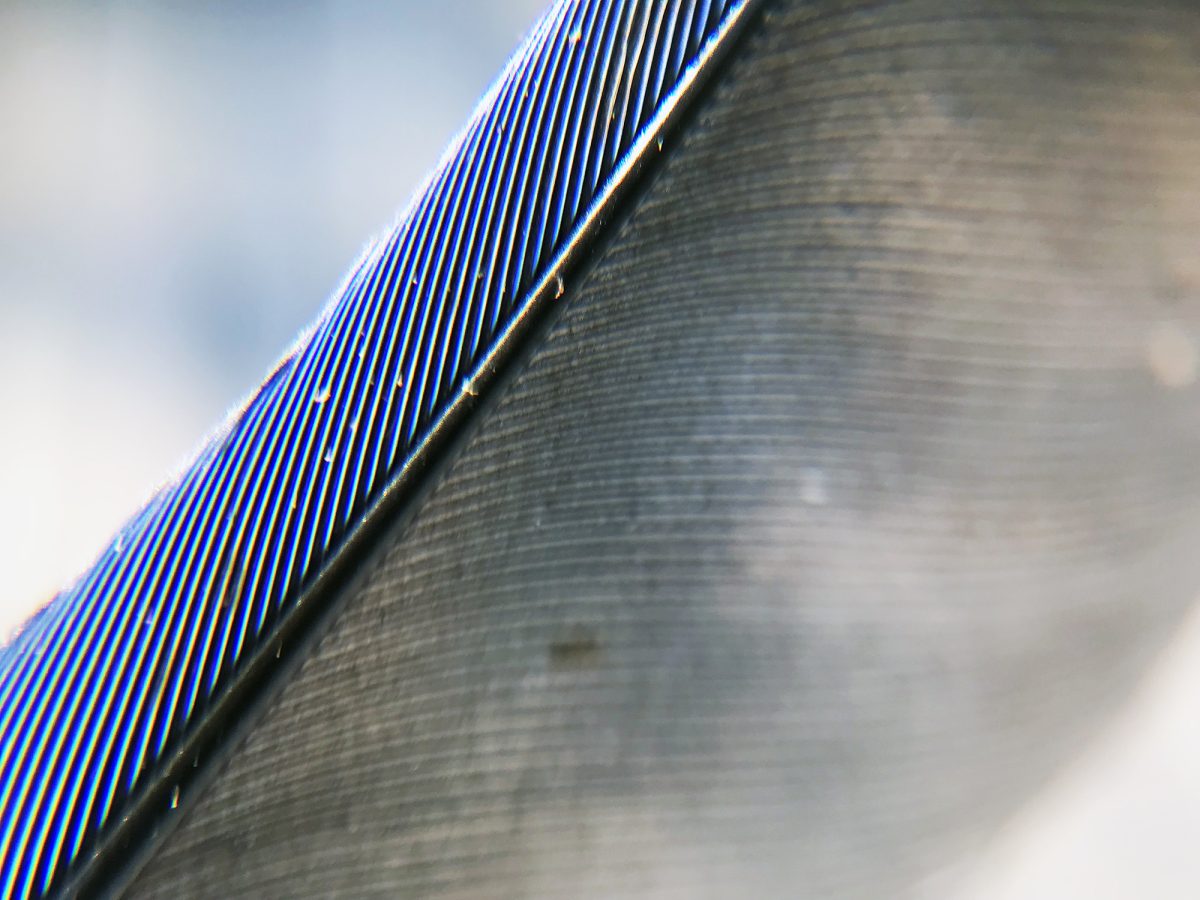
A dropped feather of a blue jay near the bird feeder made for a great opportunity to test out the macro lens clip.
A true macro lens, one for a DSLR camera like I use every day for the images I take for the O-R, can cost several hundred dollars. A clip-on for the smartphone is a cost-saving investment – I paid about $20 for mine -if you want to see the world through a different perspective.
Using the lens will take some practice. You will need to be very close to your subject to get the image in focus. Move the phone around until you get the desired result.
Light is your friend, and outdoors is where you will get your best shots. But remember, bright sun will cause shadows, so move accordingly. Take a lot of photos. Between hand movement and object movement, it will take some time to get the “perfect” shot.
Another tip from a photographer: I wouldn’t believe everything you see on social media. I’ve seen ads for a telephoto clip-on smartphone lens filling my news feed that show the device capturing close-up images of the moon or a flying eagle. I don’t for one minute believe it, but then again, stranger things have happened.
Holly Tonini/Observer-Reporter
Holly Tonini/Observer-Reporter
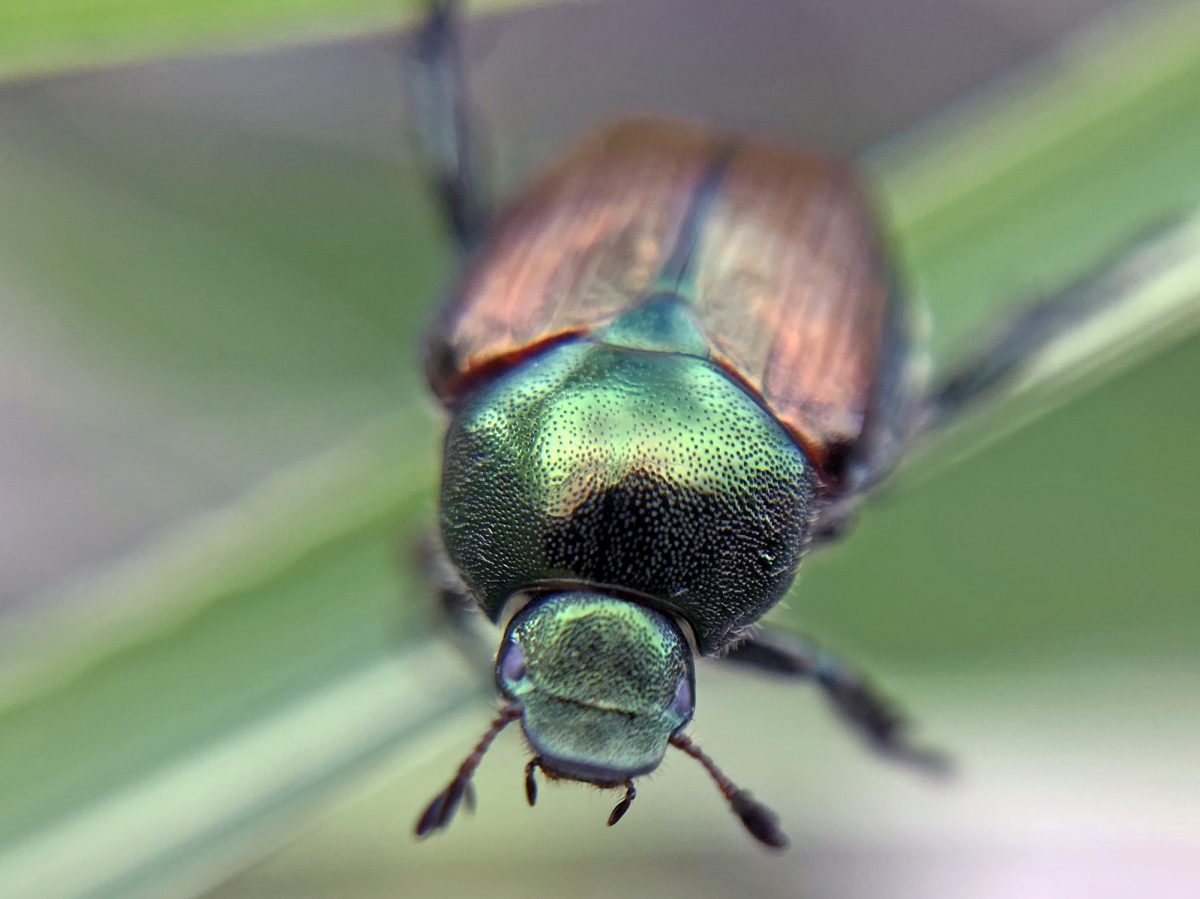
If you are a gardener like I am, you will recognize this mostly – if not fully – as a pest, but for photographers, the metallic colors of the Japanese beetle are fun to capture in a photograph. Macro lenses let you see the colors up close, but be warned – the bugs may move away or even fly when the lens gets close.