

EDITORIAL: Infrastructure always has been an integral part to our country’s economy
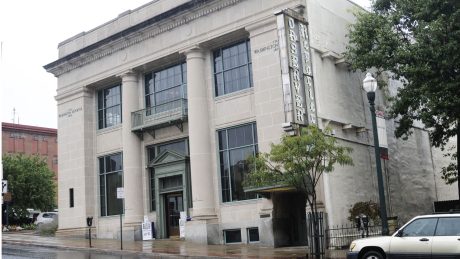
Two centuries ago, a new interstate rolled through Washington in what was hailed as America’s first national road.
It wasn’t the kind of high-speed super highway we think of today that allows us to zoom across the country whenever we please. But it was equally important to 19th-century travelers who were settling in the west or transporting goods along the new route between Cumberland and Wheeling.
It was the first major infrastructure undertaking by the fledgling American government and cost $13,000 per mile to build, according to the Friendship Hill National Historic Site located along the Monongahela River in Fayette County. The home at Friendship Hill was built by Albert Gallatin, who served as Treasury secretary under President Thomas Jefferson and was one of the biggest proponents of building a federally fund national road.
The cost itself in the early 1800s may seem astounding, but it actually was a bargain. Accounting for inflation when the 140-mile officially opened in 1818, the cost would be about $250,000 per mile in today’s dollars. Compare that with the 13-mile Southern Beltway snaking through northern Washington County that is budgeted at $800 million, which equals $61.5 million per mile.
Obviously, carving out a wagon trail in 1811 wasn’t exactly the same as building a modern superhighway that traverses towering hills and winding valleys.
That ambitious “national road” is a reminder of the importance for infrastructure improvements needed across the country.
Last year, President Trump talked about an ambitious plan to bolster the country’s infrastructure, which included upgrades to roads, airports, railways and shipping ports. But no real plan has ever materialized, and most people seem to have forgotten about one of the centerpieces to Trump’s campaign platform.
The most recent federal infrastructure spending the country has experienced was nearly a decade ago under former President Obama’s stimulus package in 2009 that injected billions into the flat-lining economy at the height of the Great Recession. Of course, that nearly $1 trillion spending plan sharply divided the country and helped to spur the Tea Party movement.
Closer to home, Pennsylvania has been enjoying the benefits of the Republican tax hike on gasoline several years ago. The 2012 law that removed the cap on wholesale taxes at the pump has pushed the price of gasoline in Pennsylvania to one of the highest rates in our region. The Tax Foundation, a Washington, D.C., think tank, estimates the state’s gasoline tax is 58.2 cents per gallon, which is the highest state tax rate in the country.
But Pennsylvania’s tax increase has fueled major road and bridge projects in the state over the past few years. Anyone living in Western Pennsylvania knows the importance of rebuilding our dilapidated bridges. That higher tax is just the price we pay for safer roads.
Our country’s earliest leaders understood two centuries ago it was worth the cost for a westward route that benefited our area and those who lived here.
Whether it was a dirt path that allowed wagons to deliver grain to the east or tractor-trailers zooming from Southpointe to the airport, infrastructure has always been – and always should be – an integral part to our country and the economy.