

First responders recognized for life-saving use of Narcan
Gideon Bradshaw/Observer-Reporter
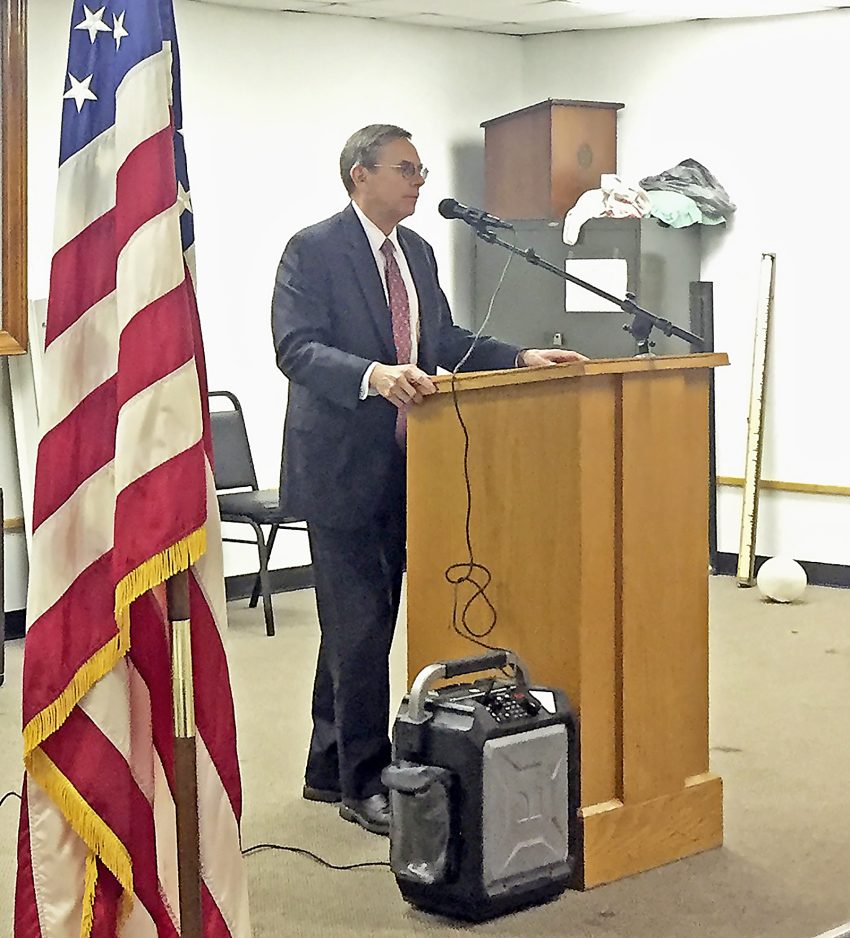
Stephen Kaufman, a senior federal prosecutor, speaks during a luncheon Wednesday at American Legion Post 175 in Washington.
Gideon Bradshaw/Observer-Reporter
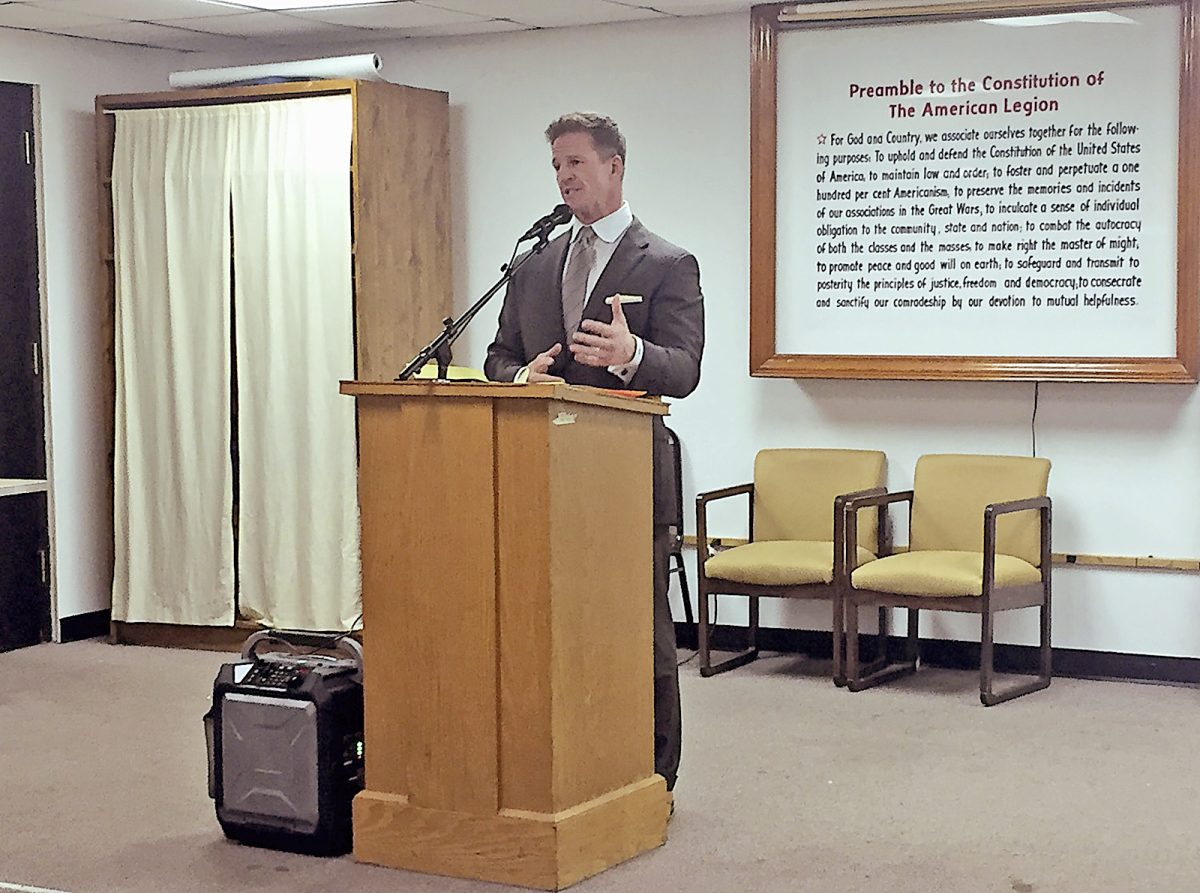
Jason Snyder, regional director of operations for Pinnacle Treatment Centers, speaks during a luncheon Wednesday at American Legion Post 175 in Washington. The event, sponsored by the Washington County Opioid Overdose Task Force, was held to present awards to first responders who saved lives by using Narcan to reverse opioid overdoses over the last year.
Jason Snyder said the scorn many people expressed for victims of fatal overdoses kept him from seeking help in his own struggle with drugs and alcohol.
“I continued to use longer than I needed to because there was no way I was putting my hand up and saying I was addicted, I needed help,” Snyder told the audience in an American Legion banquet hall Wednesday. “I did not want to be in the same category that people put my brothers in.
“Even though I knew what kind of boys and young men they were, absent the disease of addiction,” he continued. “There was no way I wanted to be lumped in with them, so there was no way I was saying ‘I need help.'”
Snyder, now in recovery, is a regional director for Pinnacle Treatment Centers. He spoke during a luncheon at Post 175 in Washington, held to recognize police, firefighters and emergency medical workers from Washington County who saved a life using the opioid antagonist Narcan during the past year.
A total of 75 people were recognized, but only about 30 were present during the event itself.
The event was sponsored by Washington County Opioid Overdose Task Force, which is a coalition of government agencies, health care providers, treatment providers, Washington County Drug and Alcohol Commission and the Technical Assistance Center of the University Of Pittsburgh School Of Pharmacy.
Snyder’s roughly half-hour speech focused more on the ways addiction had affected him and his brothers – Todd, who was 28 when he died of a heroin overdose in 2004, and Josh, who was 25 when he succumbed to the same drug in 2007 – and their parents.
“You wield enormous power when you save lives with Narcan,” Snyder said. “The work of saving the lives of the addicted may seem thankless at times … But I am quite certain that there is tremendous gratitude for your work, if not immediately from the person whose life you save, then certainly from the family.”
Among the other speakers was Stephen Kaufman, first assistant U.S. attorney for the Western District of Pennsylvania, who offered similar words of encouragement.
“Nothing is more fulfilling than when the individual who maybe has had Narcan administered several times finally gets to treatment, finally gets to recovery,” Kaufman said.