

‘I can still do everything everyone else can’
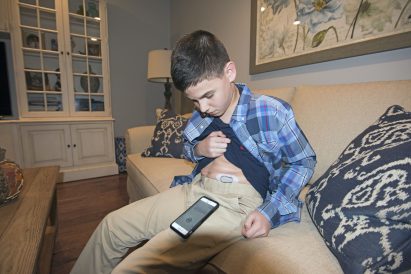
Grant Guyton is a typical almost-15-year-old boy. He plays soccer. He plays the saxophone.
And he has Type 1 diabetes.
About 12 years ago, Grant’s parents, Valerie and PJ, were in the middle of moving to a new home when they began to notice that Grant wasn’t himself. Their usually outgoing 3-year-old son was bitter and aggressive, and his personality changed drastically. They thought the move was taking a toll on him.
One night after celebrating their wedding anniversary, Valerie and PJ picked him up from his grandparents’ house and took him home, where he started to vomit. With a feeling that something more was going on with their son, they called his pediatrician and headed to Children’s Hospital. Grant’s blood sugar was 800. After some testing, he was diagnosed with Type 1 diabetes.
While Grant was monitored in the hospital for five days, Valerie and PJ received education about diabetes, injections and nutrition in order to deal with his condition when they got home.
Type 1 diabetes can be triggered by a virus or infection that causes cells to attack the pancreas. Those with Type 1 diabetes are unable to produce insulin. Unlike Type 2 diabetes, Type 1 can’t be prevented. It comes without warning.
In order to live with Type 1, patients artificially give the body the insulin it needs. Glucose levels and food intake must be constantly monitored and controlled. Patients must count carbohydrates and administer the right amount of insulin to control glucose levels in the body.
Over the years, Grant and his family learned to effectively deal with his diagnosis, and Grant is the first to say he’s no different than anyone else.
“People ask a lot of questions.They think I can’t eat anything, but I can eat whatever I want. I just have to take insulin,” he said. “I usually stay away from high sugar foods. I can eat as much sugar-free things as I want, but those things have additives in them that upset my stomach, so I don’t eat those things much.”
Valerie was nervous when they first got the diagnosis, but she went into what she described as “Mom mode” and spent almost every minute those first five days in the hospital, learning everything she could. Her husband finally told her to go home, get a shower and rest a little bit.
When Grant was released from the hospital, she worried that he wouldn’t recognize what a “low” (blood sugar level) felt like. Since he was only 3, she worried he wouldn’t be able to express it.
The first time it happened was during a preschool event. Grant tripped as he ran through the cafeteria. Valerie checked him and he seemed okay, but then he tripped again. She realized something was wrong, and ran to the car for a juice box. Valerie did exactly as she was trained, and Grant was OK.
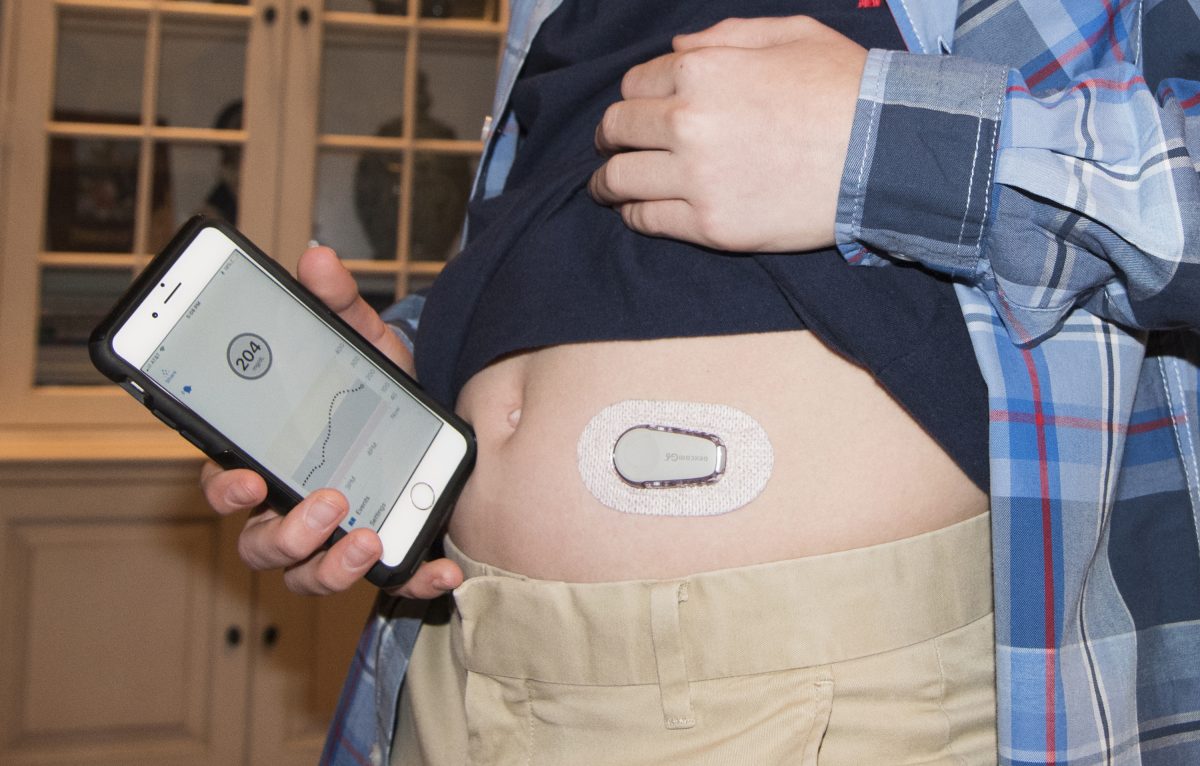
Celeste Van Kirk/Observer-Reporter
Celeste Van Kirk/Observer-Reporter
Grant wears a continuous glucose monitor, or a CGM, on his stomach. The device measures body fluid continuously, and is connected with both his and his parents’ cell phones. When his glucose is too low or too high, an alarm alerts Grant to eat something, or to inject insulin.
When Grant was 7 years old, he attended American Diabetes Association Camp Courage for the first time. This week-long summer camp is held annually in the Laurel Highlands. Staffed by pediatric physicians, pediatric certified diabetes nurse educators, dietitians and counselors, the camp provides a fun and educational experience. Campers participate in typical camp activities like swimming and canoeing, while learning how to better manage their disease.
Grant learned how to give himself insulin while at Camp Courage, but when he came home, he refused to do it himself and asked his mom to do it. Valerie reminded him that he learned to do it at camp, so he could do it at home. She knew that Grant needed to learn to manage his disease on his own, and giving himself shots was part of that.
Grant also learned about healthy eating, how to monitor his blood sugar and to recognize signs and symptoms of low or high blood sugars. Camp Courage helped him take the first steps in becoming more independent and responsible.
“We try to make things as normal as possible. We see the endocrinologist for regular appointments. We are open and we talk about it,” Valerie said. “I want him to learn to control his diabetes now, while he’s young. As he gets older, he could face complications. The better he takes care of himself now, the easier it will be to control it later.”
Grant now wears a continuous glucose monitor, or a CGM, on his stomach. The device measures body fluid continuously, and is connected with both his and his parents’ cell phones. When his glucose is too low or too high, an alarm alerts Grant to eat something, or to inject insulin. Grant takes fast-acting insulin before meals, and a long-acting insulin at night. His dosage is constantly monitored and adjusted as needed.
As Grant got older, Valerie could leave him at birthday parties and school events without worrying so much. He was responsible and knew what he needed, but she still made sure that the adults in charge were aware of his diagnosis.
Grant participates in band and soccer. Since exercise can affect his blood sugar, he has to be careful to eat snacks at soccer games and football games.
“One thing he didn’t get to do was go to a soccer camp this past year,” said Valerie. “It was four days and I was too nervous. I tried to find out if there was going to be a nurse on site, but in the end, we decided he couldn’t go. He was mad, but better safe than sorry. He is a heavy sleeper and I wasn’t sure if he would wake up if his sugar went high or low during the night.”
Other restrictions Grant has to deal with include his ineligibility to enlist in the military, or to obtain a CDL license.
But Grant didn’t seem too discouraged by those limitations. Like many his age, he doesn’t know exactly what he wants to do after high school, but he would like a profession in the medical field.
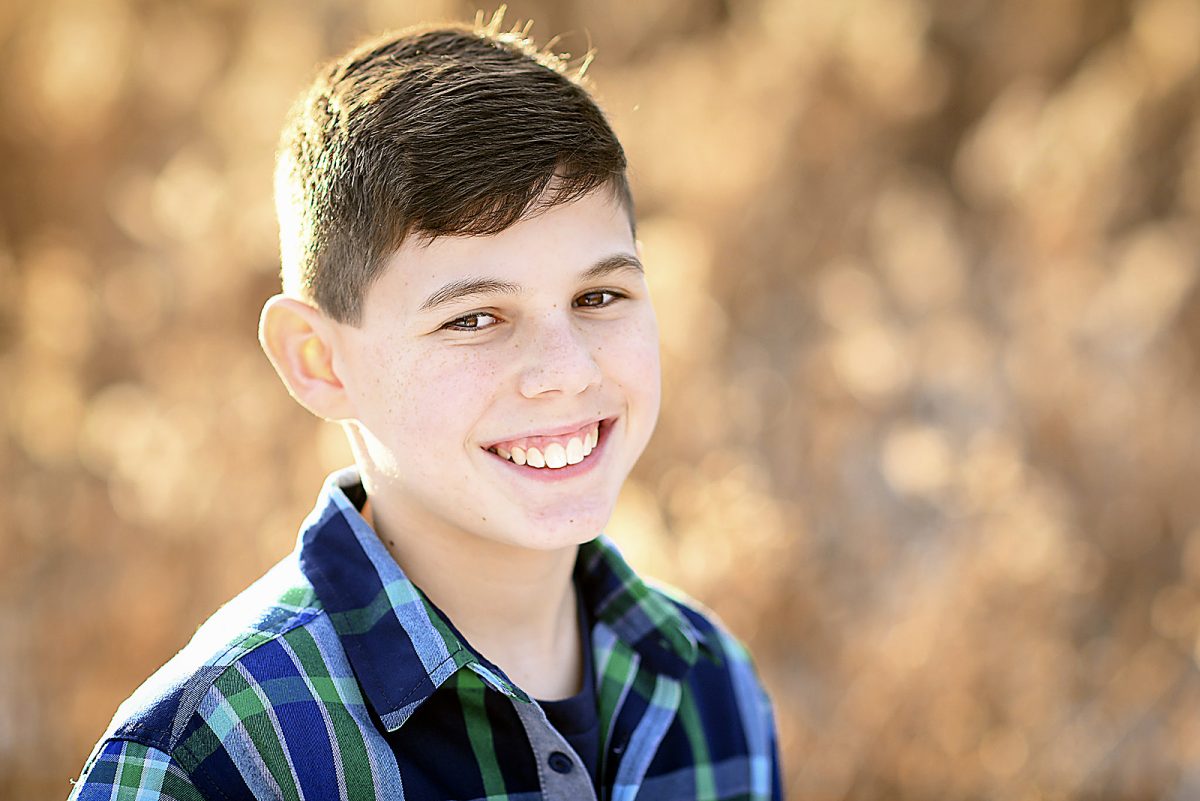
Courtesy of Valerie Guyton
Courtesy of Valerie Guyton
Grant Guyton
“I want to help people. I want to help kids,” he said. “I have all this experience, and I think I could help others going through the same thing.”
Grant has already helped a lot of people. When approached by other children with Type I, he’s careful not to focus on the negatives.
“They are nervous at first, and have lots of questions. I like to tell them about all the “ups”. There are a lot of “ups” to having diabetes,” he said. “I get to jump ahead and be first in the lunch line. The kids get jealous about that. I get to have food in class and carry my phone with me at all times because of my monitor. I can get a special pass at all the Disney parks so that I don’t have to wait in the long lines. I try to stay away from the negatives. They just make people feel bad. I like to stay positive. There are many perks to having diabetes. It doesn’t really change anything. Just getting shots of insulin before I eat. I can still do everything everyone else can.”
Valerie helps others, too. Recalling how she didn’t have anyone to turn to when Grant was first diagnosed, she supports other parents of children diagnosed with diabetes.
“I tell them not to be too restrictive. Count your carbs and take the insulin. If you are too strict about food, it leads to a fight, or children will hide it. Know what they are eating. If they are hiding and sneaking it, you have to be reactive instead of proactive. Grant can go for ice cream. He takes his insulin first and gets a smaller size, but he can still have it. You can’t be too restrictive,” she said. “I highly recommend getting your kids to Camp Courage, too.”
Grant said that going to camp was life-changing. At 7, he had never met someone with diabetes before and it was reassuring to talk to someone who had the same thing as he did. He saw friends there every year. The camp counselors helped him because he could talk to them, and they understood.
When Grant turns 17, he plans to become a CIT (counselor-in-training) at Camp Courage so that he can help other kids like he was helped.
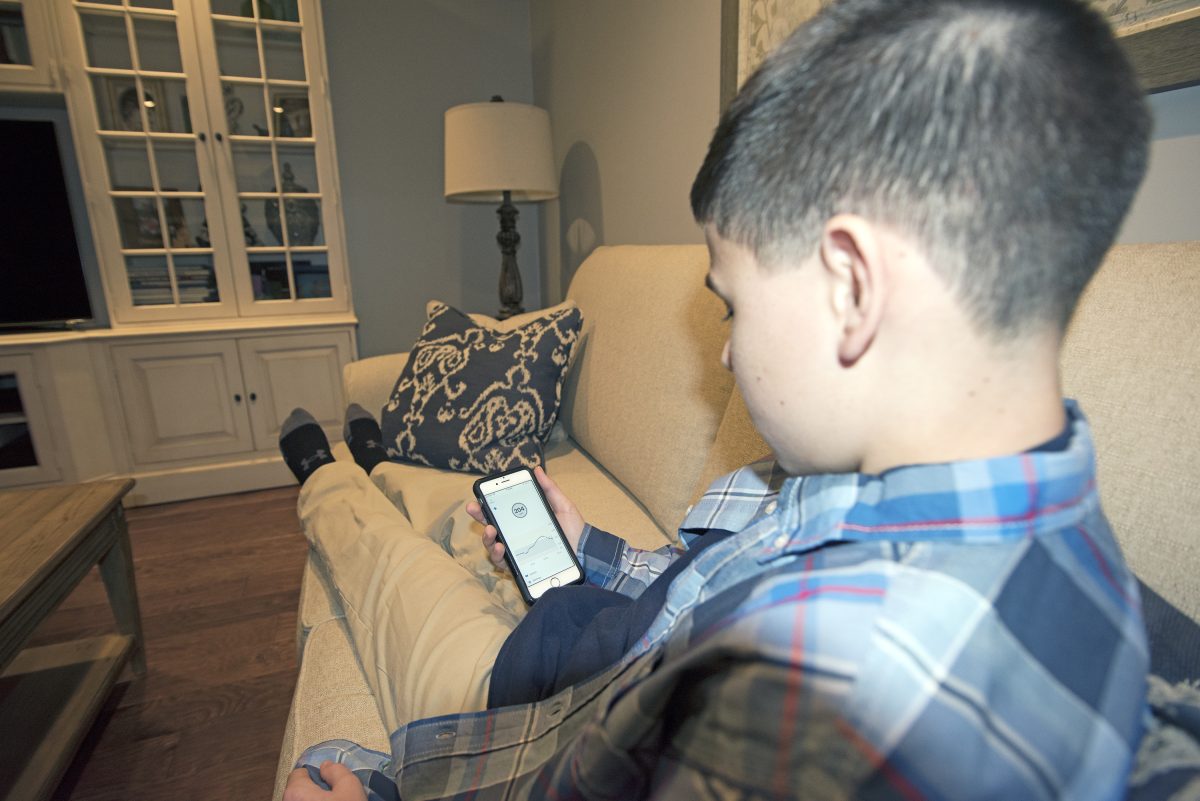
Celeste Van Kirk/Observer-Reporter
Celeste Van Kirk/Observer-Reporter
Grant wants to work in the healthcare field so that he can help others.