

Rotary Corner
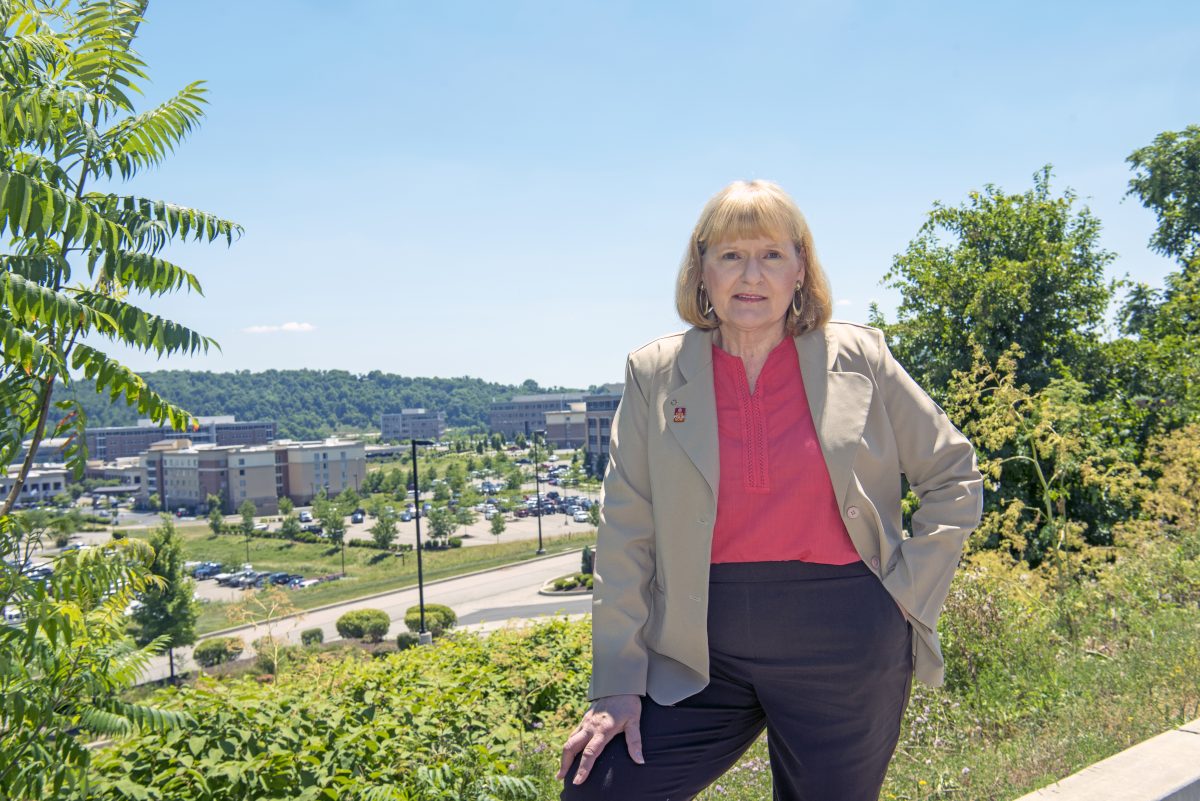
Holly Tonini
Holly Tonini
It takes a village to raise a child. It takes a service organization to raise up a village.
Community service organizations have been around for more than a century. Our region is fortunate to have many Rotary, Kiwanis, Lions, Zonta, Soroptimist, and a host of other service clubs that operate to make improvements in their communities and in the lives of their community residents.
I am an active Rotarian, and therefore, know best its vision and mission. The most recently adopted vision statement for Rotary International states, “Together, we see a world where people unite and take action to create lasting change, around the world, in our communities, and in ourselves.”
That last part of the statement, “in ourselves,” is reminder that when people provide service to improve lives, they also improve their own. Engaging in volunteer activities makes individuals better … in their jobs, in their families and in their relationship with others and with themselves.
Plenty of research has been conducted that verifies that engaging in community service can improve both mental and physical health of volunteers. Studies have shown that while making life better for others, volunteers experience therapeutic results of combating stress, aggression and loneliness; become more respected and recognized leaders in their communities; develop skills that could advance their careers (in fact, employers prefer job applicants who include volunteer work on their resumes and job applications. It’s also why so many companies have corporate volunteer initiatives); enjoy improved self-esteem and develop emotional stability; have less chronic pain and lower rates of depression; and build bonds and create lasting friendships with those with whom they volunteer.
Additionally, plenty of scientific study points to improved life conditions for volunteers. The London School of Economics found a positive correlation between volunteers and happiness. Roman Krznaric, author of “6 Habits of Highly Empathetic People,” says that empathy creates the social glue that holds society together and empathetic people tend to be committed to social change. Working toward positive social change as a volunteer enhances a person’s life satisfaction and therefore, his or her happiness.
Studies about the health benefits of volunteering also abound. Research published in the Journal of Gerontology indicates that social service improves elasticity in the brain (a condition that may keep Alzheimer’s at bay.) A 1999 University of Berkeley study found that elderly people who volunteered for two or more organizations were 44 percent less likely to die over a five-year period than non-volunteers. One report said that people who volunteer more than 100 hours a year are some of the healthiest people in the U.S.
More information on the Canonsburg-Houston-Southpointe Rotary Club, including a schedule of events and how to get involved, can be found at https://portal.clubrunner.ca/10536.
If your reaction so far is, ‘Ugh, I already have a busy life with too much to do; I don’t know how I could possibly find the time to volunteer,” then you should absolutely engage in community service. Although is seems counterintuitive, giving time to service actually makes you feel like you have more free time. A 2012 study revealed that happier people give more and giving more makes people happier. This creates a positive feedback loop – happier people giving more, getting happier and giving even more!
To summarize, volunteering and providing service to your community connects you to others, is good for your mind and body, can advance your career (or help establish a new one), and brings fun and fulfillment to your life as you connect with others. Volunteering offers assistance to people and their villages, but the benefits can be even greater for the volunteer.
In the next issue, we’ll focus on tips for getting started as a volunteer, considering goals and interests, finding the right volunteer opportunity and getting the most from a community service/volunteer experience.
Dr. Stephanie Urchick is an active community service volunteer and serves Rotary International as a Director for 2019-2021. She can be reached at saurchick@gmail.com. www.rotary.org.