

Festival and fair planners have faced uncertainties over the last year
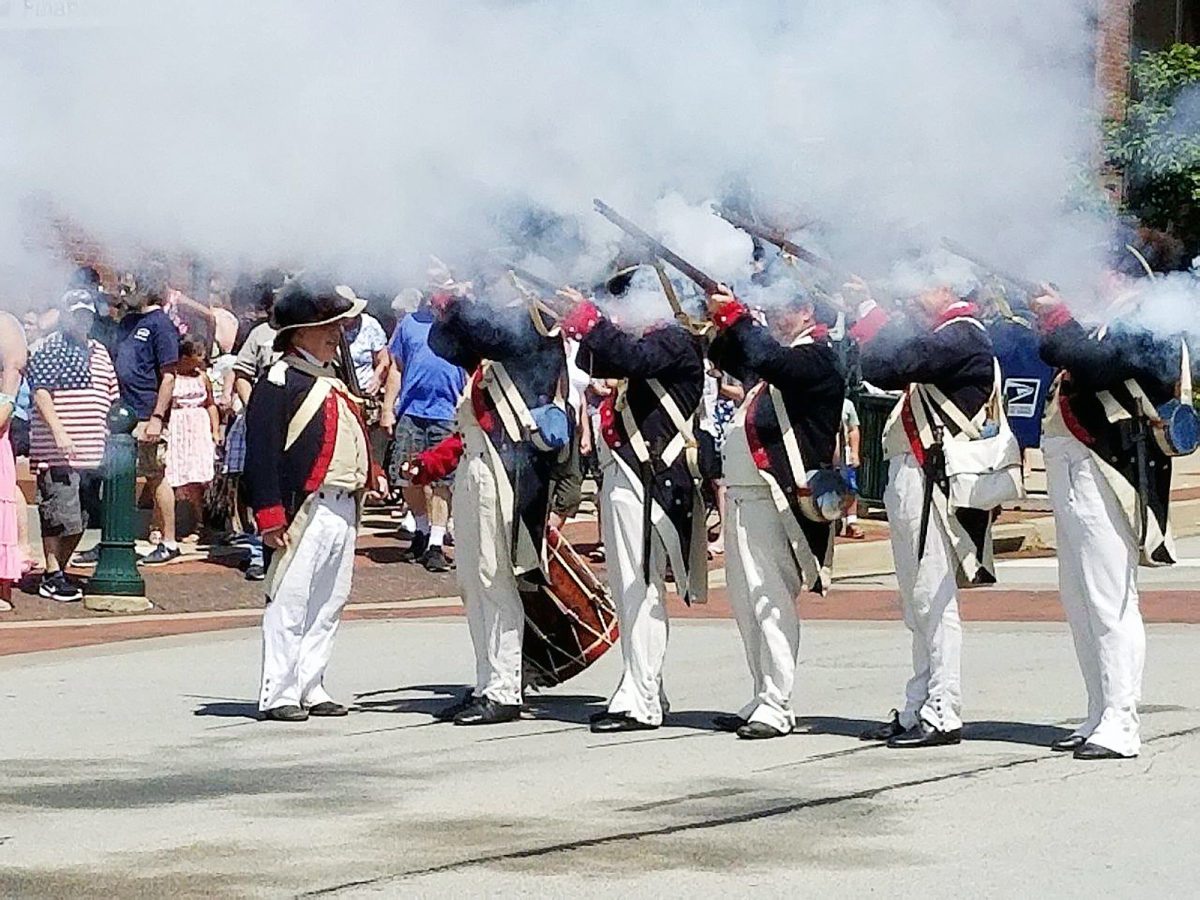
A scene from the 2020 Whiskey Rebellion Festival in downtown Washington
Jon Andreassi/Observer-Reporter
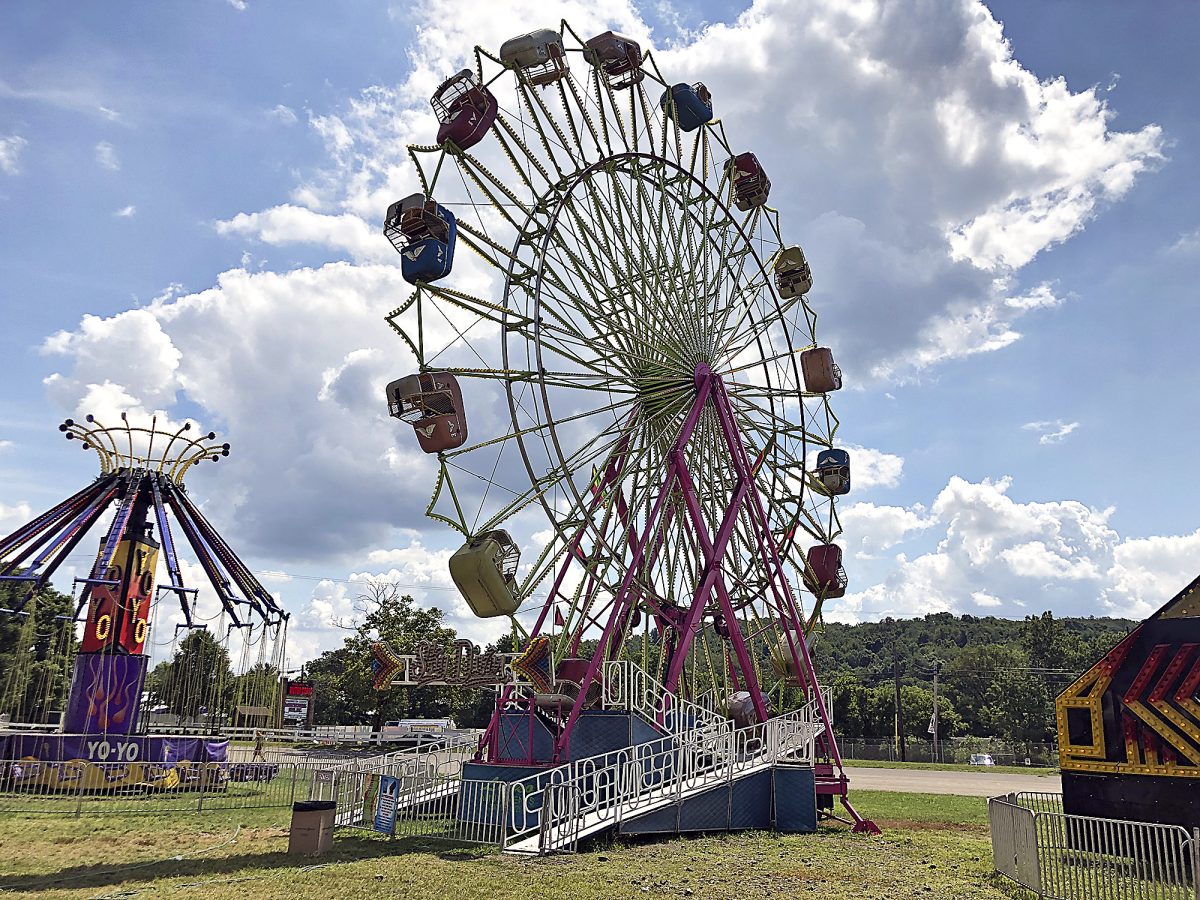
The Washington County Agricultural Fair will be returning this year.
When we’re sipping our hot chocolate and sporting bulky sweaters in the dead of winter, organizers are planning for the festivals and fairs that are summertime staples.
In a typical year, they can go about the routine business of lining up vendors, booking musical acts and ordering portable restrooms without worrying too much about what the landscape is going to look like when the sun is high in the sky and people will be chasing away sweat with cold refreshments. Over the last 12 months, however, as COVID-19 ebbed and flowed, organizers had to consider if they could proceed as usual, not proceed at all, or if they could go forward in some modified fashion.
Consider the annual art fair that happens in Ann Arbor, Mich., every July. One of the largest art fairs in the country, first it was going to happen. Then, organizers announced it would be cancelled. Two weeks later, they did an about-face and announced it was on again, thanks to restrictions in the state being loosened by Gov. Gretchen Whitmer.
Closer to home, Washington’s Whiskey Rebellion Festival, which was called off last year like most other events, will be happening this year. But rather than a multi-day celebration of the city’s heritage, it has been reduced to one day of festivities scheduled for next Saturday. The decision was made to modify it in March, and “our hope was to do it even if it was going to be pared down,” said Joe Piszczor, co-chairman of the festival.
“We always had a contingency plan,” Piszczor added. “We were operating under a couple of different options.”
He pointed out that they were concerned they would not be able to line up a sufficient number of volunteers if they had gone ahead with a full festival, and older artists and vendors were going to stay away thanks to lingering coronavirus concerns. Also, businesses that have traditionally supported the festival have endured their own tough times over the last 15 months or so.
Nevertheless, Piszczor explained, “We have a lot of cool new attractions,” in the festival, and it will be “a healing experience for all of us.”
“People miss seeing other people,” he added. “They realize interpersonal relationships are important.”
At about the same time it was announced the Whiskey Rebellion Festival was on, organizers of the Westmoreland Arts and Heritage Festival near Latrobe said they would be pulling the plug on it for the second year in a row. It had been set for this weekend, and, at the time its cancellation was announced, the festival’s board said in a statement that the event would not be able to offer “the enriching and entertaining experience that they have come to love and expect due to the current restrictions and mandates.”
Of course, those restrictions are now gone. Are there any regrets about calling it off?
“In hindsight, we could have gone ahead and had the festival, but April is our critical month,” said Diane Shrader, the festival’s executive director. That’s when they pull together advertising, she said, and when they had to line up shuttle buses, volunteers and vendors.
“There are a lot of things we had to consider,” Shrader pointed out.
Plans are already being hatched for the festival to make an in-person return next June 30. In the meantime, a virtual component of the festival will go forward this year.
The Washington County Agricultural Fair was scrapped last year, but it’s scheduled for August, and will operate much the way it did before the pandemic, except organizers will be booking local musical acts rather than national artists.
According to Wayne Hunnell, director of the fair’s board, “Life is getting a little easier. There are some things we thought we would have to do quite a bit differently, but things will be closer to normal for us.”
The Pittsburgh Cultural Trust’s Three Rivers Arts Festival unfolded in June with both virtual and in-person events. Festival organizers initially announced that those attending the festivals would need timed tickets and use a health app on their phones to be admitted to some events. But when restrictions were lifted, they opted to move concerts to Point State Park that had been scheduled for the nearby Byham Theater. The need to use tickets and the health app were also scrapped.
“If we learned anything in 2020, it’s that we must remain fluid,” said Sarah Aziz, the festival’s director. In the months leading up to the festival, 12 different scenarios were put together on how the festival could happen, from it not happening at all, to it occurring as it did in 2019 and the years before. They ultimately chose a festival with a reduced number of artists who were spread out at different locations, and having the festival on weekends rather than over a 10-day span.
“We felt really confident we could do it,” Aziz said. “It was all hands on deck.”
It’s estimated that 150,000 to 200,000 people attended the festival. Aziz said some of the modifications they had to make will remain, like putting artists in the Cultural District rather than concentrating them in Point State Park and the area behind the Wyndham Grand hotel.
“We found a few ways that we could make it better,” she noted.