

Monongahela Valley Hospital primary care physician hosts COVID-19 discussion
Courtesy of Metro Creative
Courtesy of Metro Creative
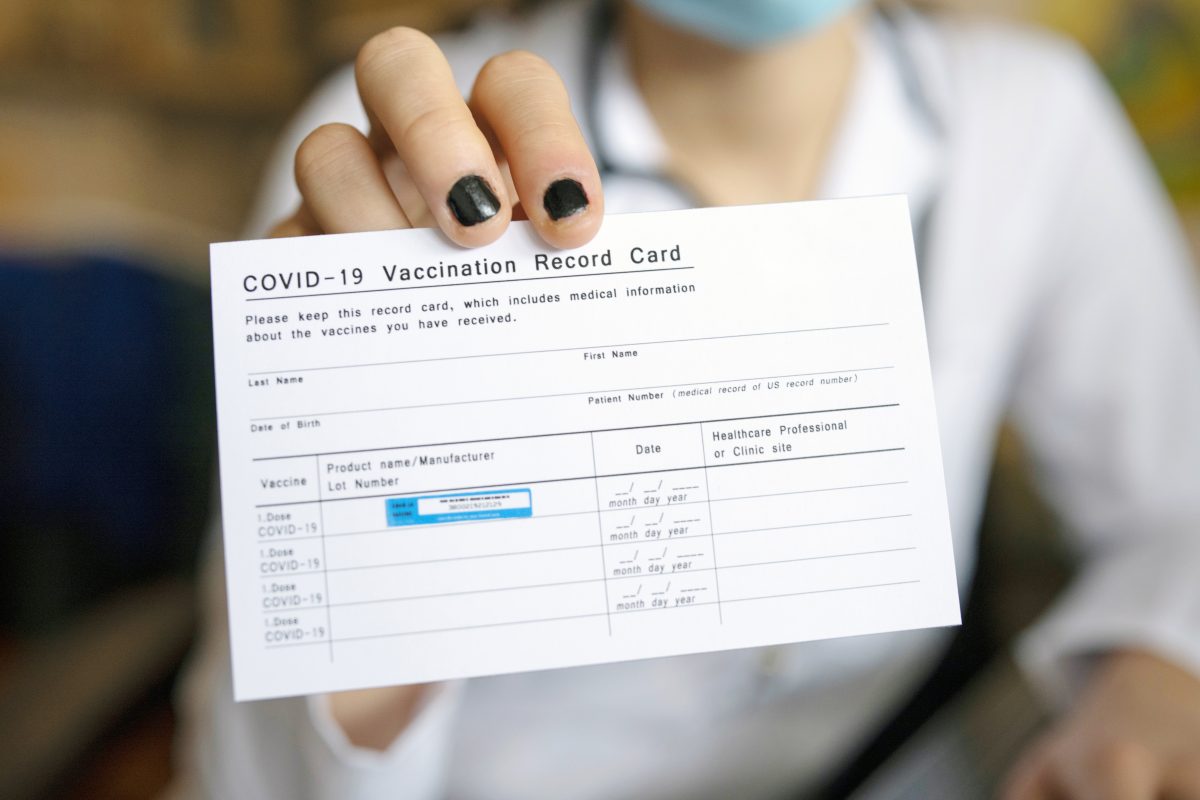
Gov. Tom Wolf urges Pennsylvania residents who have not been vaccinated against COVID-19 to help stop the spread of the deadly virus.
Courtesy of Mon Valley Hospital
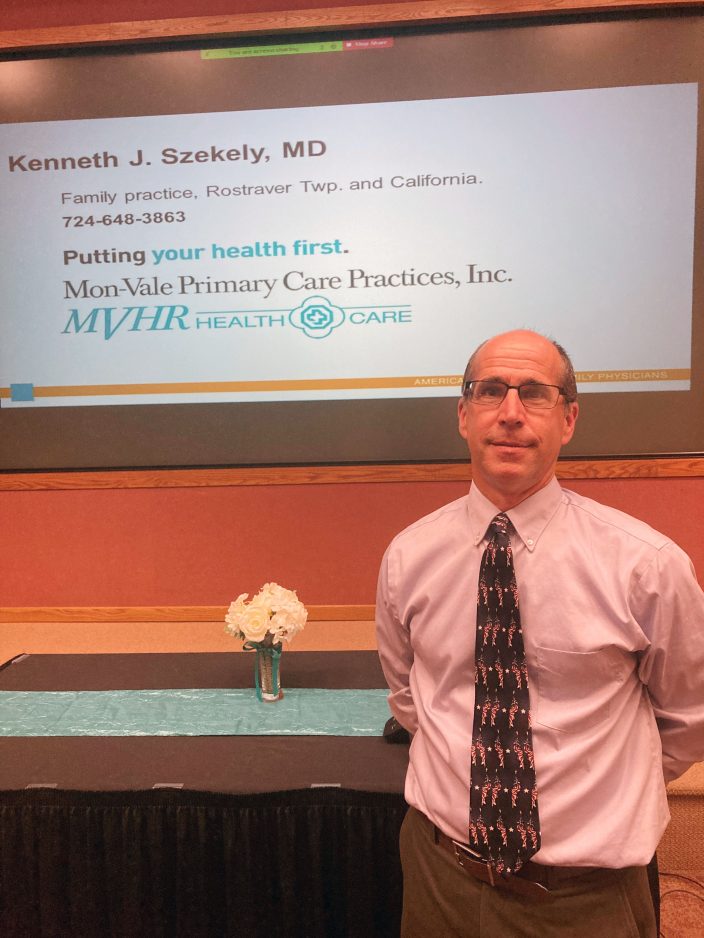
Dr. Ken Szekely, a primary care physician with Mon Valley Hospital and Mon-Vale Primary Care Practices in California and Rostraver Township, recently held an in-person session of the health system’s Innovations in Medicine education series that features physician guest speakers providing medical information to the community.
Just as many COVID-19 restrictions have been lifted, the Delta variant has virus numbers rising once again.
As the region navigates a return to more normal daily routines post-pandemic, Monongahela Valley Hospital officials wanted to help the community get the latest information and questions answered about the virus and vaccines.
Dr. Ken Szekely, a primary care physician with MVH and Mon-Vale Primary Care Practices in California and Rostraver Township, recently held an in-person session of its Innovations in Medicine education series that features physician guest speakers providing medical information to the community.
In Szekely’s latest session “Life after the Vaccine: Long-term Consequences of COVID,” he said, “my goal with is to provide you with the most recent information we have about COVID-19 and the vaccine. I want you to be able to make an informed decision about getting the vaccine – not just because I recommend it, but because you feel it is best for you.”
Despite the vaccine being available to all adults, Szekely said he wanted to do the in-person session because people still have so many questions.
“The current administration was beginning to recognize that many Americans had gotten the vaccine, but many more had concerns and questions regarding both COVID and the vaccines,” Szekely said. “Family physicians were being asked, as a trusted source for medical information in their communities, to work to get the message out that the vaccine is effective – especially against the most serious effects of the disease. Right now, the unvaccinated patients account for more than 95% of inpatient COVID hospitalizations.”
With nationwide vaccination levels hovering around only 50%, Szekely said “COVID-related severe and chronic illness” makes overcoming vaccine hesitancy in the United States so critical
“You are less likely to have a bad response to the vaccine than you are to the disease,” he said, “especially if you have certain medical risk factors.”
Szekely recommends people consider the risk factors they have, that any family or friends they come into contact have and the fact that the vaccine is still not available to children under age 12.
“It’s about working to protect all of us,” he said. “There is the saying it takes a village to raise a child but consider that the village/community needs to pull together to keep all its members as safe as possible.”
Szekely said his entire family chose to get vaccinated including his 12-year-old son.
“As for why we chose vaccination for all our kids, again it goes back to the idea that we all have to work together to protect those around us,” Szekely said. “Also, although they are less likely to get severe disease, there are enough kids below 18 who have been severely affected.”
Szekely said members of his family did their research and came together to make a decision about receiving the vaccine.
“Honestly, all four of our kids were actively following the development of the vaccine and did a lot of reading and research,” Szekely said. “All were impacted in terms of work and school and felt the vaccine was a way to get back to a more normal school and work environment.
“They were included in the decision-making process,” he added, “and I’m proud to say they worked to make an informed decision.”
As for what comes next, Szekely said the rapidly spreading Delta variant of COVID-19 will likely make a vaccine booster shot necessary.
“The delta variant is really changing things again,” he said. “It appears to make the virus much more easily-transmitted even by people who have been vaccinated. I think that a booster is probably going to be recommended at some point. The doctors and researchers at the CDC and NIH are working on this daily. I’m sure they will make the recommendation when they feel it’s necessary.”