

Local foster care system in need of families
Katherine Mansfield/Observer-Reporter
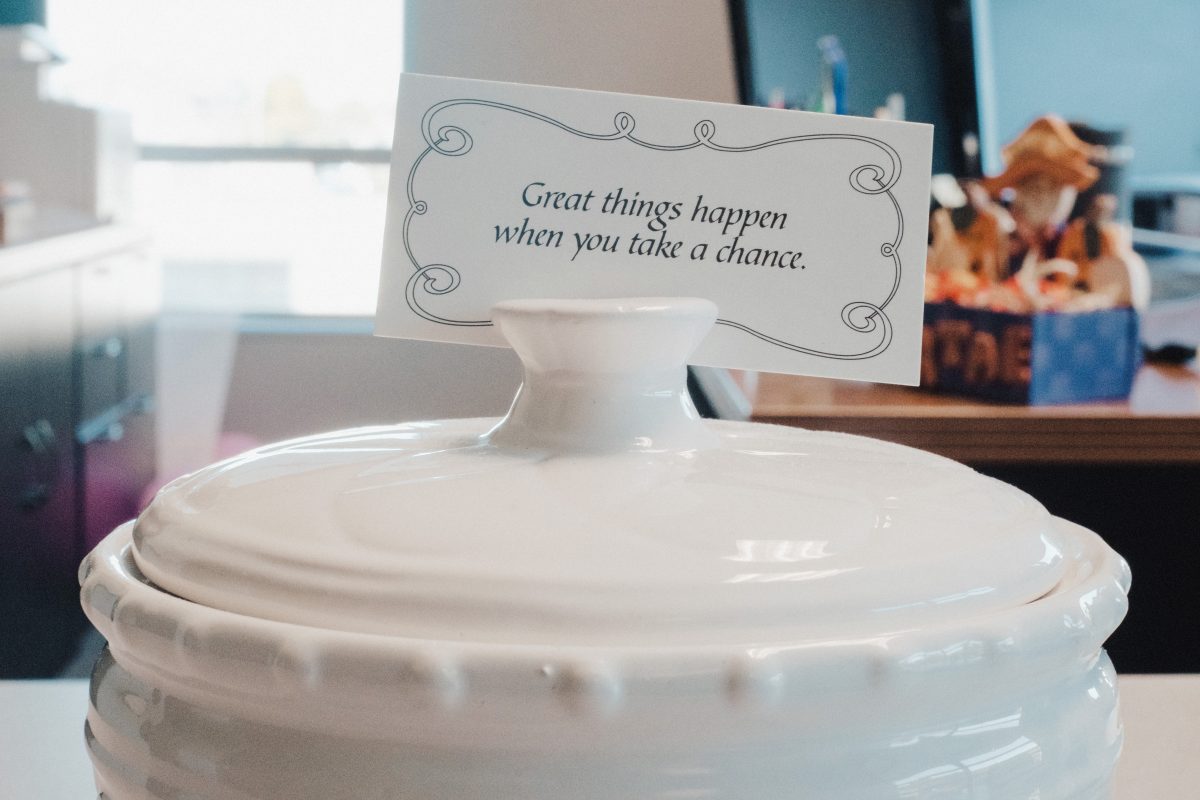
Anne Schlegel keeps a jar of positive quotes on her desk from which co-workers can pull inspiration on challenging days. Schlegel, director of Washington County Child and Youth Services, said being a caseworker in the foster system can be a difficult job, but the partnerships CYS has formed within the community and seeing children through tough times makes everything worth it.
Katherine Mansfield/Observer-Reporter
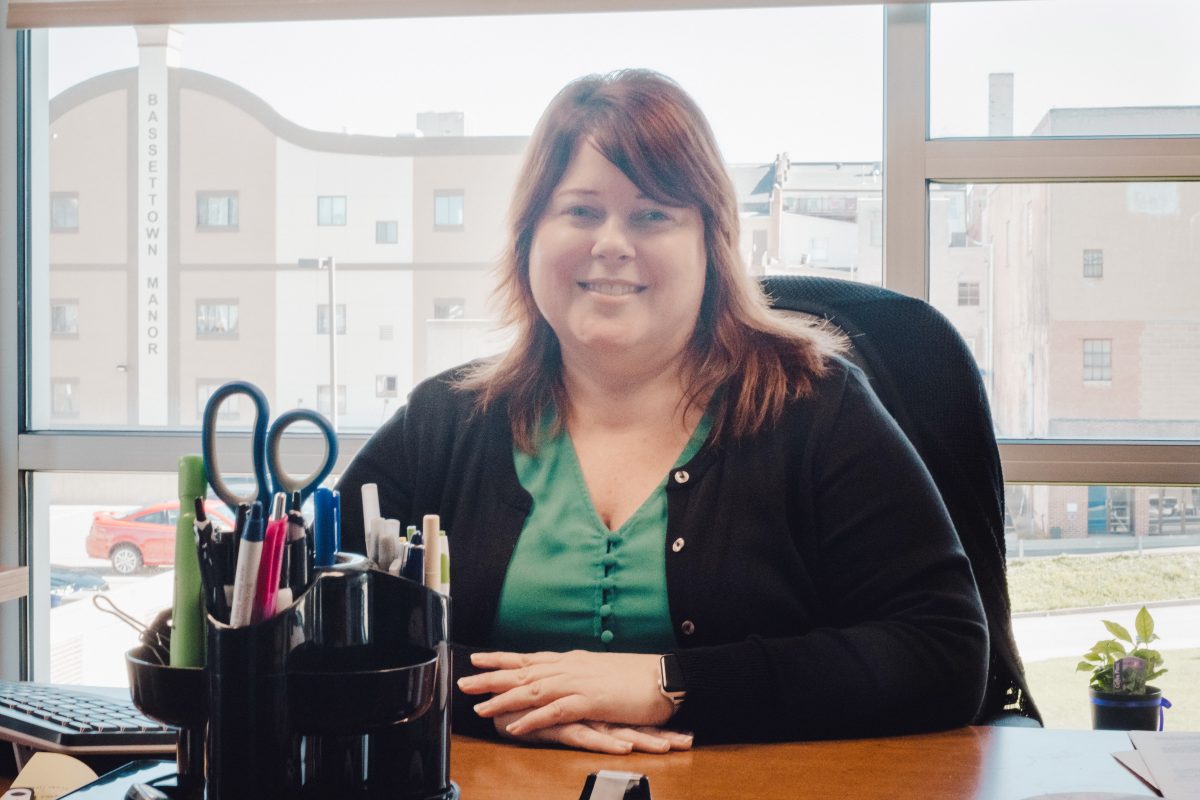
Anne Schlegel began her career as a social caseworker before serving as assistant deputy for Allegheny County CYS for more than two decades. She joined Washington County CYS as director last summer, amidst the chaos of the global pandemic.
Courtesy of Beth Booker
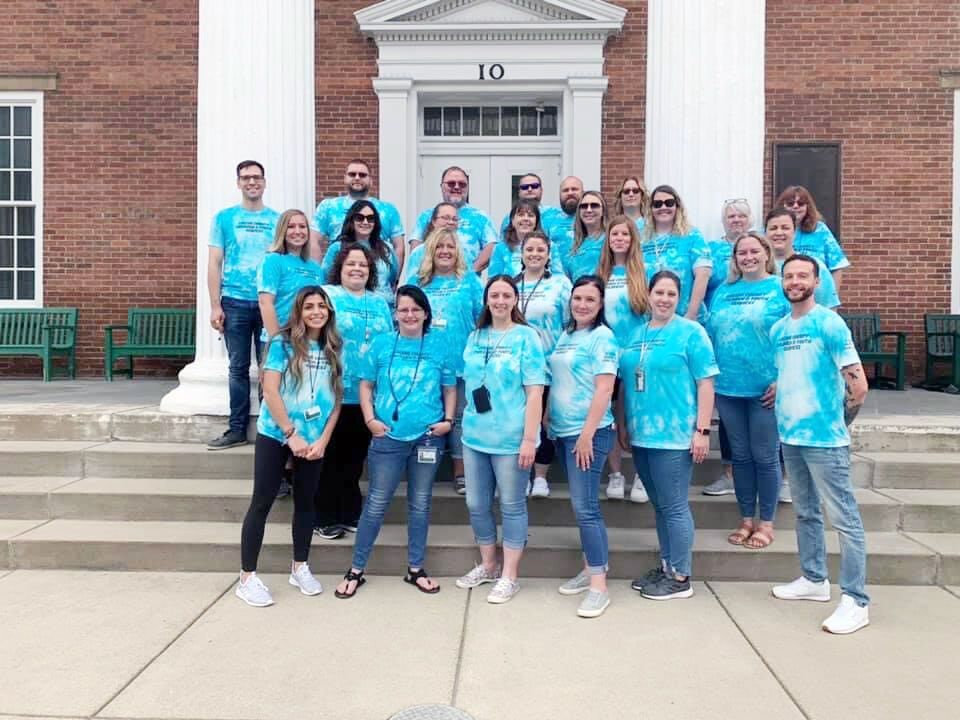
Greene County CYS staff poses in Waynesburg, where the organization manned a booth at the 2021 Rain Day. Beth Booker, foster care supervisor, said Greene County CYS is making a point of getting into the community to raise awareness of the need for foster families.
Courtesy of Beth Booker
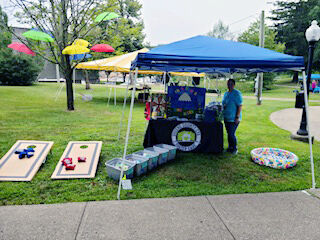
In true Waynesburg fashion, gray skies greeted visitors to the 2021 Rain Day, where Greene County CYS set up a booth to raise awareness for the need for foster resource families. Greene, Washington and Fayette counties are all in need of more foster families.
It’s tired but true: The COVID-19 pandemic, which caused staffing and supply shortages, took a toll on the state’s foster care system, too.
“I think, at the beginning of COVID, we might be able to say it was hard to find foster parents,” said Jon Rubin, deputy secretary for Pennsylvania Office of Children, Youth and Families. “It certainly became a challenge.”
But, Rubin said, “The child welfare system functioned as first responder. We still responded to allegations of child abuse and neglect. We never closed.”
The foster care systems in Washington, Fayette and Greene counties didn’t close during the pandemic, either. Like the rest of the state, the tri-county area had difficulty placing children when the world shut down at the beginning of COVID-19.
“When COVID initially hit, I think there was a lot of anxiety about even placing children, children having visits, going back and forth,” said Gina D’Aria, administrator for Fayette County Child and Youth Services. “We’ve had some delays in children getting placed in an appropriate foster home because … the child may have been exposed and had to quarantine.”
D’Aria said though the pandemic made placing children more difficult, there’s always been a shortage of foster parents in Fayette. The same rings true in Washington and Greene counties.
“If you ask me today, for foster care, what we need, it would be families,” said Anne Schlegel, director of Washington County CYS. “We definitely and desperately need more foster care resource parents.”
As of March 31, 13,500 children in Pennsylvania were in the foster care system, down from more than 15,000 a few years ago, according to Rubin. Of those in the system, 11,000 are living in what is considered a foster home. Half of those children live with relatives or family friends, while the other half resides in a traditional foster care home, with a foster family.
“When we are unable to certify or unable to locate kin, then we utilize foster care,” said Schlegel. “It is challenging when we get to the point where we have to locate a foster home. Foster home resources are limited. We have a small percentage of foster homes that are actually located in Washington County.”
Keeping children in their communities is important, said Schlegel, because separation from parents is a traumatic experience. The more stability the foster system can provide, like keeping kids in their school and extracurricular activities, the better children can cope.
While there are enough foster families statewide, it’s the small number of local certified homes that poses a problem in southwestern Pennsylvania. The state has for years emphasized kinship care. Before children are placed in a foster care home, the state works to connect families with community resources and support to make the home a safe, stable environment.
When a home is deemed unsafe for the child, the state works to place that child with relatives or family friends. At the beginning of this month, Pennsylvania formally adopted the Family First Act.
Based on federal legislation, Family First allows states for the first time to use federal funding on prevention.
“We are now able to use federal dollars for … prevention services. The law is meant to help kids stay home and receive services at home,” said Schlegel.
While the new law aims to keep more kids at home, struggles remain for those already living within the foster care system.
Placing children can be difficult: Foster care isn’t planned, said Schlegel, and though foster resource families are trained to accept kids at any time, welcoming a child home in the middle of a weekday night isn’t always doable.
Placing sibling groups poses a challenge, because some foster resource families aren’t equipped to house more than one foster child.
Older kids – 12 and up – and LGBTQ youth are particularly difficult to place.
“We have a very hard time finding foster homes for teenagers. Typically, the older youth that come through our doors have a history of negative behaviors and acting out,” said D’Aria, noting that isn’t always the case and acting out can be a manifestation of past traumas. “We do have a small population of kids that don’t want to be in a foster home because they feel disloyal.”
Schlegel said there are roughly 242 children in Washington County’s foster care system; 76% of those children are living with kin.
Fayette County places most children with kin, too, said D’Aria, who noted that families don’t always live nearby and sometimes kids are sent across the state, causing more turmoil during an already trying time.
And again, sometimes the foster resource families just aren’t there.
“We need help,” said Beth Booker, foster care supervisor of Greene County CYS, who said there are approximately 65 kids in foster care.
There are “only 12 or 13 certified foster families,” she said. “We’re still having to send kids to surrounding counties through other agencies. That’s so detrimental.”
When Booker stepped into her position last year, there were only five certified foster families in Greene County. She and Greene County Foster Care Agency Director Mark Starostanko launched a campaign, posting signs, advertising foster care on billboards, manning booths at events like Rain Day.
“There’s a lot of misconceptions around it,” said Booker. “People think, ‘Financially, I don’t make enough money so I can’t do it.’ There’s a stipend that comes along with taking a foster child. You don’t have to have a five-bedroom home … in immaculate shape. It’s not the size of the home that matters. It’s the size of the heart.”
Schlegel and D’Aria both agreed serving as a foster parent is one of the most rewarding experiences.
“We’re really focused on building a community system where communities are stepping up,” said Schlegel, who noted counties are doing their best to keep kids at home by offering those preventative services now funded through Family First.
When children do need a foster home, though, Washington, Greene and Fayette counties could use more foster families.
“You don’t have to be perfect to be a foster parent,” said Rubin. “We can always use loving homes for children.”