

Mosquito carrying West Nile virus found in Fayette County
Submitted photo
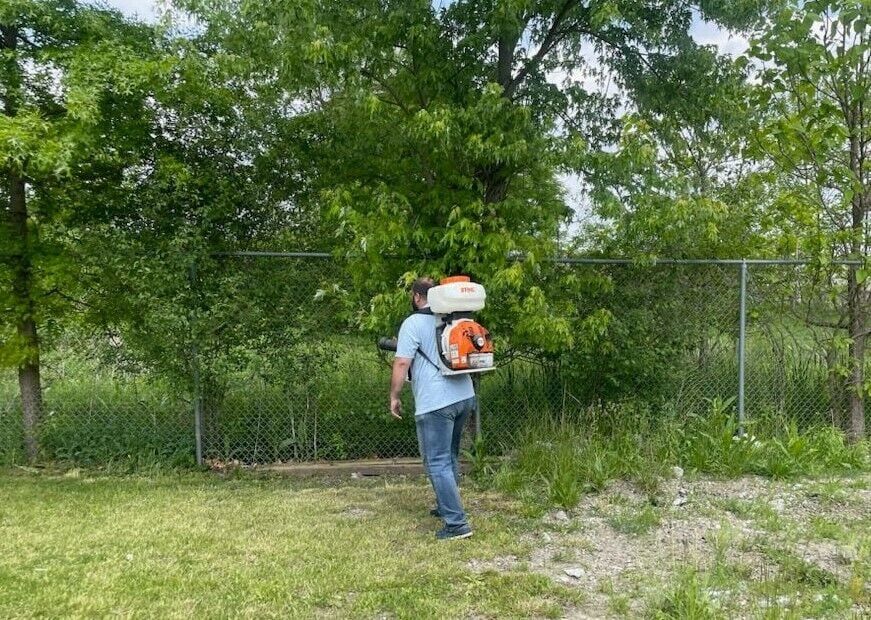
Ken Hess, pictured above, West Nile virus coordinator for Fayette and Washington counties, said a mosquito carrying the potentially deadly virus was found in the area of Georges Township and Fairchance last month. There have been no West Nile cases found in Washington or Greene counties.
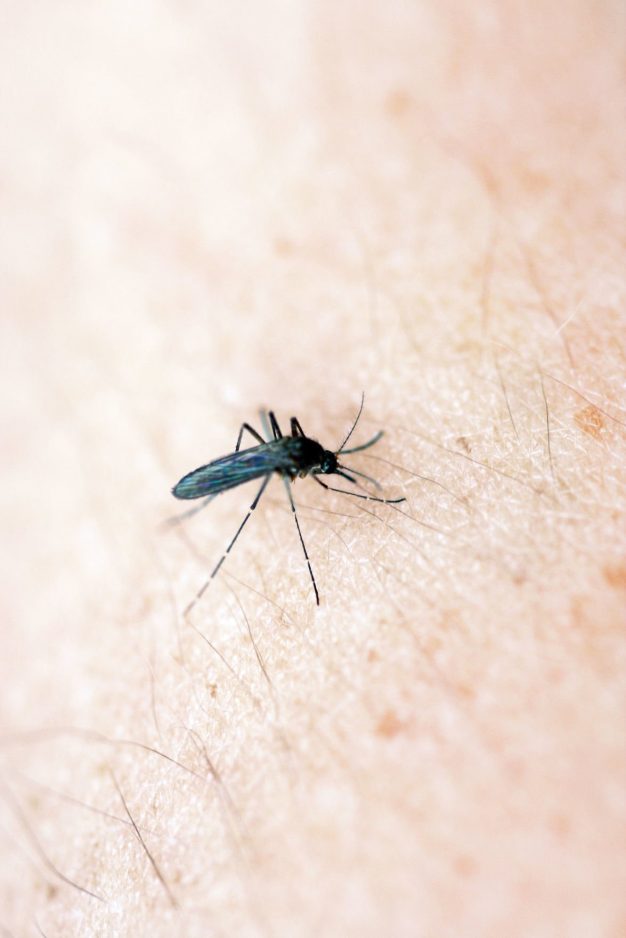
Photo courtesy of MetroCreative
Fayette is one of four counties in the state where West Nile virus has been detected.
West Nile virus prevention and remediation efforts started early in Fayette County, with one confirmed case found in a mosquito last month.
Ken Hess, West Nile virus coordinator for Fayette and Washington counties, said the virus was found in a mosquito in the area of Georges Township and Fairchance in late May.
“It was found in just one mosquito sample, and there are no cases in humans at this time,” Hess said. “It was detected during our first week of trapping, which is the earliest we’ve ever had it in Fayette County.”
According to the Pennsylvania Department of Environmental Protection’s website, Fayette County is one of four counties in the state with confirmed WNV activity. The others are Delaware, Lawrence and York counties.
Hess said the area where the first mosquito was found has been thoroughly sprayed with a barrier treatment, and testing for additional WNV-positive mosquitos is ongoing in the area.
According to the U.S. Centers for Disease Control and Prevention (CDC), West Nile is a mosquito-borne virus that was first reported in Pennsylvania in 2000 and is found in almost every county, every year.
“We’ve never had a year where we haven’t found at least one affected mosquito, so it’s pretty common,” Hess said.
WNV is transmitted when Culex mosquitos bite one of several types of infected birds. Those mosquitos can spread the virus in about one week by biting other birds, horses or humans, according to the CDC.
The virus can lead to illness or death in humans, and, although everyone is at risk of contracting WNV, people 50 and older are at increased risk for a more severe form of the disease.
“We’re going to continue monitoring and sampling throughout the year. We don’t want anyone to get sick or worse,” Hess said. “There’s no reason for the public to be alarmed right now, but with their help, we can limit the spread.”
The CDC recommends a number of ways to prevent WNV and other mosquito-borne diseases, including using insect repellant before going outside; dressing children in clothing that covers their arms and legs, and using mosquito netting over strollers and baby carriers; running air conditioning on hot days, and if that is not possible, ensuring there are no holes in door and window screens so that bugs can’t get inside.
Additionally, the CDC noted that standing water attracts mosquitos, advising homeowners to empty and scrub or discard items that contain stagnant water.
Hess said regular lawn maintenance, including keeping grass short, helps to keep mosquitos at bay.
“If you reduce the habitat, you’re less likely to attract nuisance species all around,” Hess said. “Now’s the time to take precautions while it’s still early in the season. We all know mosquitoes get worse as the summer goes on.”
To learn more about preventing West Nile Virus, contact khess@fayettepa.org or visit the state DEP website at www.dep.pa.gov.