

Taking charge of diabetes essential for good health
Observer-Reporter
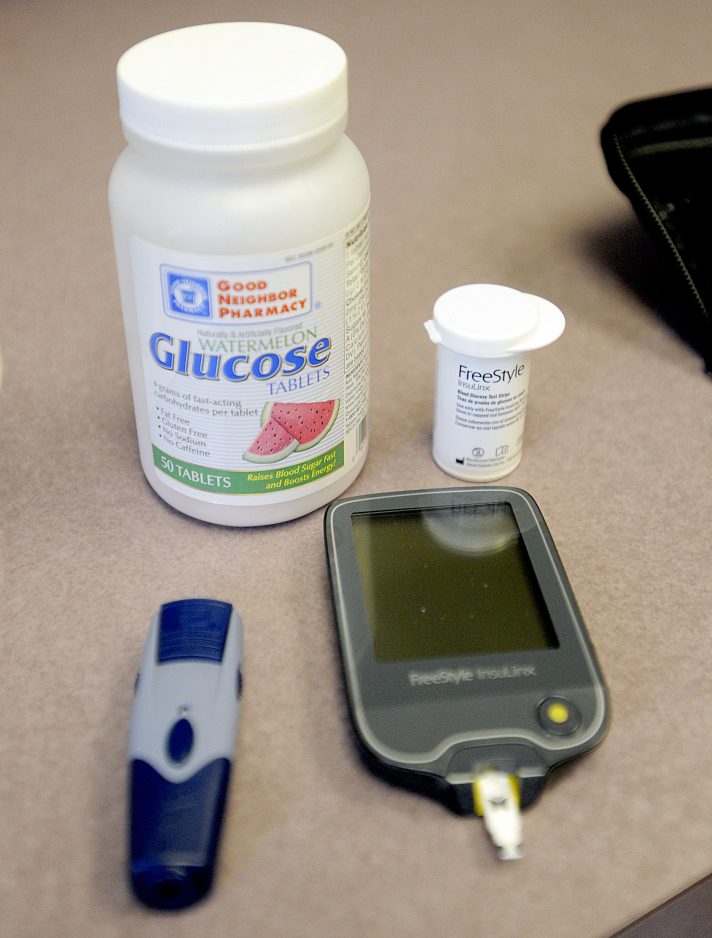
Blood monitors and glucose tablets are used by those with diabetes. Diabetes can also be controlled by making the right dietary choices.
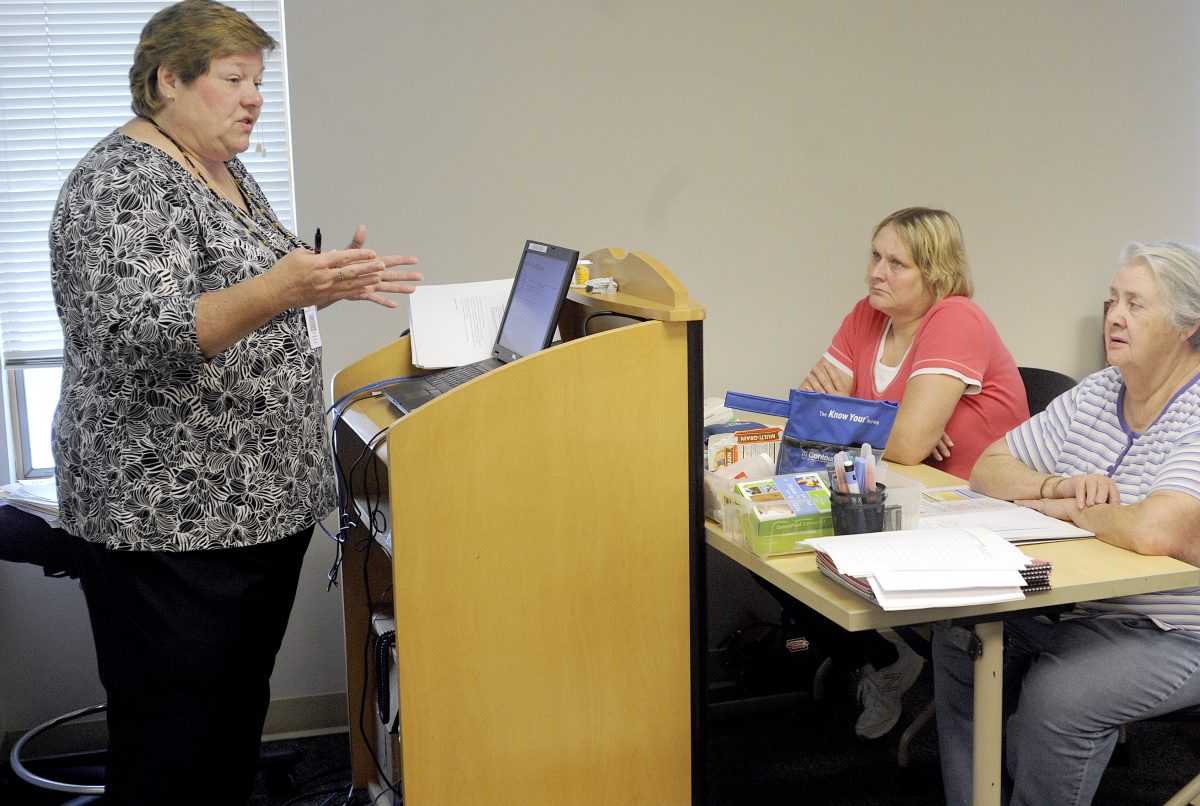
Dana Stainbrook, a certified diabetes educator with Washington Health System, instructs a class on diabetes treatment. Washington Health System provides life skills classes, nutrition counseling, gestational diabetes counseling and other instructional sessions for diabetic patients to learn how to control the disease.

Dana Stainbrook, certified diabetes educator with Washington Health System, explains to those participating in a diabetes treatment class how to make smart nutritional choices to help manage their disease.
Edith Tanner of Washington was surprised when a routine doctor’s appointment four years ago revealed that she had diabetes.
Since then, Tanner has paid closer attention to her diet and recently attended a diabetes education and management class to help her learn how to manage her condition.
“I was shocked when I found out I had diabetes,” said Tanner. “I didn’t expect that at all when I went for my check-up. Diabetes is a very serious disease. I don’t think people realize that because you can’t see any damage on the outside like you can with a broken arm. Instead, it does damage on the inside and sometimes you don’t know that until it’s gotten out of control.”
Tanner is one of about 26 million Americans with diabetes, a disorder that, according to the American Diabetes Association, is projected to affect one in three American adults in 2050.
This November, during National Diabetes Month, physicians and diabetes educators hope to change that figure by boosting awareness of the disease and educating those already diagnosed to help them successfully cope with it.
“Diabetes is an epidemic in our country. It’s literally off the charts; it’s skyrocketing,” said Dana Stainbrook, a nurse and certified diabetes educator at Washington Health System.
One of the most important ways to manage diabetes is to diagnose it early. Many people, like Tanner, have diabetes for years before the disease is diagnosed, said Stainbrook.
A check-up, including blood work, could reveal diabetes before complications develop.
“There typically aren’t symptoms until blood sugar gets high, up to 200. That’s when people start seeing symptoms like going to the bathroom a lot, but they sometimes attribute it to getting older or the bladder getting weak. But damage is occurring to the arteries and nerves,” said Stainbrook. “When they’re diagnosed, they already have complications.”
Tanner’s mother had diabetes, and regular checkups are especially valuable for people with a family history of diabetes. According to the ADA, exams are also important for anyone who is overweight, had gestational diabetes during pregnancy, or belongs to an ethnic group where diabetes is more common: African-American, Hispanic and native American.
Once a person is diagnosed with diabetes, Stainbrook said, it’s important for the patient to take ownership of his or her health. Debilitating issues like vision loss, kidney disorders and amputations aren’t inevitable.
“The person with diabetes has the bulk of control over their diabetes,” said Stainbrook. “Just because you have diabetes, you don’t have to lose your vision. That’s why you want to control your blood sugars. There is no cure for diabetes, but you can delay or slow down the process of losing beta cells – which are in the pancreas and produce insulin – by maintaining a normal weight, eating healthy and exercising.”
There are three main types of diabetes: type 1 and type 2 diabetes, and gestational diabetes, which occurs during pregnancy when changing hormones and weight gain make it difficult for the body to keep up with its need for insulin.
Type 1 diabetes is usually diagnosed in children and young adults, and according to the ADA just 5 percent of people with diabetes have this form of the disease. Type 1 diabetics are unable to make insulin and have to take insulin daily to live.
Most common is type 2 diabetes, which does not always require insulin but can lead to serious compliwcations. The exact cause of type 1 and type 2 diabetes is not known, but, said Stainbrook, a majority of people who develop type 2 diabetes are overweight.
When it comes to a healthy diet, said Stainbrook, diabetic patients should avoid carbohydrates, which are found in bread, pasta and white rice, and convert more easily to sugar.
“There’s nothing a person can’t eat, but you have to be careful. A carb is a carb in terms of blood sugar, and all carbws turn to starch, and that’s not good,” said Stainbrook. “Diabetes increases the risk for heart disease and you don’t want that increased risk.”
In Washington Hospital’s Diabetes and Education Management Program, certified diabetes educators provide information on diet, exercise and medication, and stress the importance of a heart healthy diet.
In a recent diabetes management class Tanner attended, she learned several aspects of diabetes self-management, including portion control and overall carb intake, which has helped her in her battle against what can be a fatal disease.
“You look at food a little differently once you’re diagnosed with diabetes,” said Tanner, who gets blood work done every three months to help monitor her blood sugar, and undergoes regular eye and foot checkups. “If you don’t attack your diabetes, it will attack you. You have to protect yourself like you’re going to war. Arm yourself with information and take care of yourself.”