

Pop Music Hall of Fame inducts second class of stars
A new group of pop artists has been elected by music fans worldwide to America’s Pop Music Hall of Fame.
Two of the inductees – the Monkees and Chicago – are often cited as acts unfairly dismissed by the Rock and Roll Hall of Fame. Fans rallied around both groups, which easily made the cut for induction. Online voting ended Oct. 31.
The 2014 Class of America’s Pop Music Hall of Fame includes:
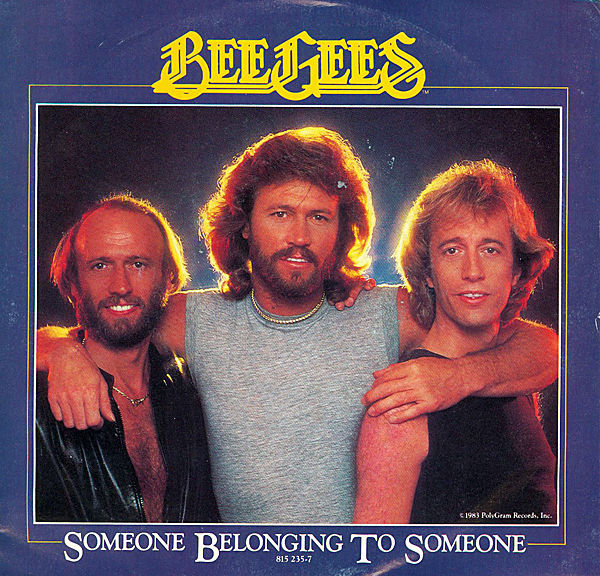
More than a decade before “Saturday Night Fever” launched the Brothers Gibb into the music stratosphere in 1978, the Bee Gees were staples on American and worldwide charts with a string of late 1960s somber rock ballads, including “New York Mining Disaster 1941,” “I Started a Joke,” “Massachusetts,” “Holiday” and “I’ve Got to Get a Message to You,” among others.
The immediately identifiable tight harmonies of brothers Barry, Maurice and Robin Gibb transitioned into the ’70s, with songs such as the somewhat edgier “Lonely Days,” before completing their makeover with the incessant dance beat of the No. 1 “Jive Talkin.'”
Soon afterward, the trio commandeered the charts with a series of memorable singles from “Saturday Night Fever,” a release that until “Thriller” came along, was the best-selling album in pop history.
So popular was the trio that at one point in 1978, the Bee Gees were responsible for writing and/or performing nine songs on the Billboard Hot 100. The week of March 18 that year, they were involved in four of the nation’s top five songs: “Night Fever,” “Stayin’ Alive,” “Emotion” and “Love is Thicker Than Water.”
During the course of their career, the Bee Gees collected nine Grammy Awards, including Album of the Year for “Saturday Night Fever,” and both the Lifetime Achievement and Legend Awards.
When he first landed high on the pop charts in 1951 with “Because of You,” few pundits would have predicted Anthony Dominick Benedetto would still be releasing hit albums 60 years later. But Tony Bennett – unquestionably today’s elder statesman of pop music – continues to attract fans to concert halls and influence current hitmakers.
At one time a singing waiter, Bennett was discovered by Pearl Bailey and began touring with Bob Hope in 1949. Soon afterward, Mitch Miller began producing a series of hit singles for the young singer.
While his signature release remains 1962’s, “I Left My Heart in San Francisco,” Bennett recorded several other classics during that era, including “Rags to Riches,” “One for My Baby,” “I Wanna Be Around” and “When Joanna Left Me.” When his recording career waned during the ’70s rock era, Bennett was encouraged to do cover versions of other artists’ hits. Instead, Bennett opted to concentrate on live performances. He returned to recording in 1986 with the aptly named “The Art of Excellence,” and later captured a new generation of fans with an appearance on “MTV Unplugged.”
His stylish, jazz-tinged versions of originals and pop standards helped make Tony Bennett the bar for class act. At 87, Bennett continues to record, and recently issued a new album, “Live at the Sahara: Las Vegas: 1964.”
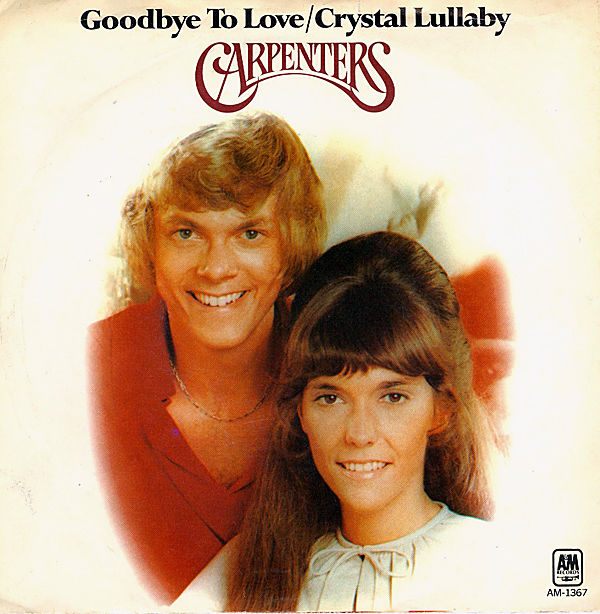
In the wake of the turbulent ’60s, a kinder, gentler and decidedly unobtrusive pop washed over the charts in the early ’70s. Leading the way was the brother-sister act of Richard and Karen Carpenter. Emerging from a rock sextet called Spectrum, Richard (keyboards) and Karen (drums) initially experimented with multitrack recording and released a remake of the Beatles’ “Ticket to Ride.” But it was their next single, a stylish new version of Dionne Warwick’s “Close To You,” that vaulted to No. 1.
Their song choice over the next few years was impeccable, but Karen’s voice was even more spectacular. Laid-back releases that no respectable Top 40 station would have touched in the ’60s became staples in radio’s power rotations during the ’70s. “We’ve Only Just Begun” became a wedding standard, and “Rainy Days and Mondays” even evolved into a popular catch phrase. And the Carpenters’ Christmas album and single, “Merry Christmas Darling” are, in a word, classics.
The Carpenters (the duo preferred just the title Carpenters) may well be performing today were it not for Karen’s untimely death in 1983 at age 32.
During their relatively short career, 22 of their 30 singles reached the top 10 of the adult contemporary charts. Many of those releases are still considered standards.
The Rock and Roll Hall of Fame inexplicably has ignored them, but the most successful jazz-oriented pop/rock band in history has been voted into the Pop Music Hall of Fame in its first year on the ballot.
Originally called Chicago Transit Authority, the horn-driven, at times politically charged rock band released its first album of experimental music in 1968, scoring its first hit with “Make Me Smile” in 1970. From that point on, Chicago was a staple on the charts through the early ’90s, all the while – and somewhat controversially – evolving its sound toward power ballads. Among its dozens of top 10 singles are “Saturday in the Park,” “Color My World,” “Just You & Me,” “Wishing You Were Here” and “If You Leave Me Now,” for which the band won a Grammy.
The band survived the accidental death of one of its vocalists, Terry Kath, in 1978 and later spawned a successful solo artist in Peter Cetera. Chicago is second only to the Beach Boys as the most successful American band in history.
Over the decades, dozens of bands have attempted to emulate the band’s sound, but none has survived – or prospered – for as many years as the original.
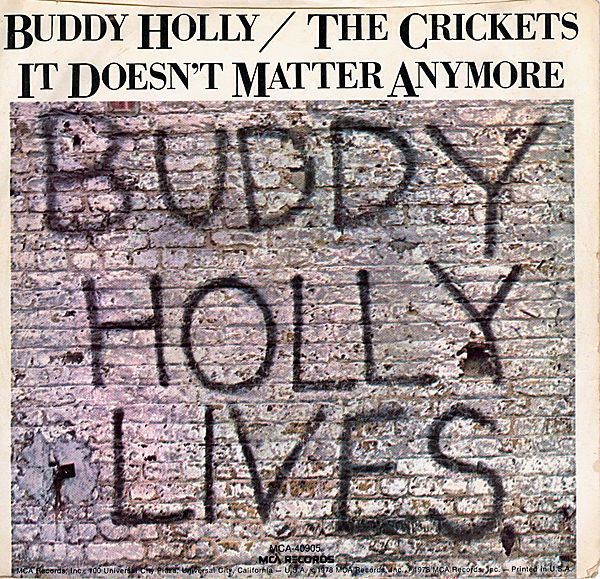
Even though his music career was all of 18 months, Buddy Holly remains one of the pioneers of music.
Before he reached the national spotlight, Charles Hardin Holley, along with his friend Bob Montgomery, was credited with creating Western Bop at age 13.
A few years later, Buddy Holly formed the Crickets, and by 1957, the group was riding high with “That’ll Be the Day,” a song Holly had written with drummer Jerry Allison. With his distinct voice and black-rimmed glasses, Holly quickly became one of the stars of the early rock era with songs such as “Peggy Sue,” “Everyday” and “Raining in My Heart.”
So critical was his influence on turning rock music into a mainstream entity that Rolling Stone pegged him as No. 13 on its list of “100 Greatest Artists of All Time,” and critic Bruce Eder called Holly, “The single most creative force in early rock and roll.”
While touring with Ritchie Valens, Dion & the Belmonts and the Big Bopper, Holly, Valens and the Big Bopper were killed in a plane crash on Feb. 3, 1959 – the day the music died.
Few artists in pop music history have remained as popular – and as relevant – as Sir Elton John. As well-known for his flamboyant and entertaining stage shows as for his volumes of music, John was born Reginald Kenneth Dwight in 1947.
Already playing the piano at age 4, he initially imitated the rock-oriented artists of the era, namely Little Richard and Elvis Presley. But John’s career moment came in 1968, when he answered an ad for a songwriter, and Liberty Records teamed him with Bernie Taupin. The partnership was to become one of the most prolific in music history.
Two years later, John scored his first American hit with “Your Song,” and tore through the charts for the remainder of the decade with a string of consecutive hits that included, among many others, “Crocodile Rock,” “Goodbye Yellow Brick Road,” “Bennie and the Jets,” “Philadelphia Freedom” and “Island Girl.”
From 1970 through 2000, he landed at least one song per year on the Billboard 100 – and has had 58 Top 40 singles to date. His body of work has made him the No. 1 male solo artist in pop history.
John also recorded what remains the best-selling single in history, “Candle in the Wind 1997,” a tribute to Princess Diana.
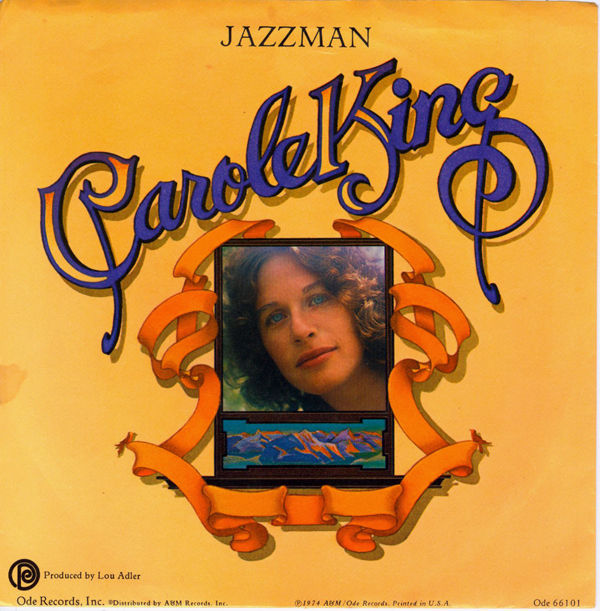
Perhaps more than any other songwriter, Carole King captured the emotions of a typical teen. Although she scored a minor hit in 1962 with “It Might As Well Rain Until September,” which was originally to be simply a demo recording, King made her mark in music as a songwriter with her husband, Gerry Goffin. Together, they wrote songs that spoke directly to a generation – namely “Will You Still Love Me Tomorrow,” “Take Good Care of My Baby,” “Chains” and the standard, “Up on the Roof.”
And let’s not forget “The Loco-Motion.”
During the mid-’60s, she continued to write hits for other artists, namely the Monkees’ “Pleasant Valley Sunday” and Aretha Franklin’s “Natural Woman.”
In 1971, King recorded an album of her own compositions called “Tapestry.” It remains one of the best-selling albums ever recorded, as do two of the songs from that album Ð ÒItÕs Too LateÓ and ÒYouÕve Got a Friend.Ó Carole won GrammyÔs ÒSong of the YearÓ for ÒYouÕve Got A Friend, Ò and was the first female artist to claim the award. ÒTapestryÓ remained on the charts for six years, cementing Carole KingÕs royalty as both a pop performer and songwriter.
Dean Martin
When Dino Crocetti lived in nearby Steubenville, Ohio, he did what many of his neighbors did by working in a steel mill. Later, he tried his hand at boxing. But in his late Ô20s, Dino decided to become a singer.
In a stroke of luck, Martin, who was at the time considered a typical night club singer, was teamed with comedian Jerry Lewis. Through the first half of the 1950s, Martin and Lewis produced a string of hit movies and were at the top of their game on stages across America. Martin, who soon became known as ÒThe King of Cool,Ó also conquered the charts with songs such ÒMemories Are Made of This.Ó
When Martin and Lewis split, some thought DeanÕs career was over. Instead, he focused on his acting and subsequently released a series of hit singles ranging from ÒVolareÓ to ÒHoustonÓ to ÒIn the Misty Moonlight.Ó He also starred in a long-running TV variety show and became one of the famed ÒRat PackÓ performers in Las Vegas.
If there was any doubt about MartinÕs enduring popularity as a solo artist, it disappeared when, in 1964, Martin became one of the few non-English acts to score a No. 1 hit with ÒEverybody Loves Somebody.Ó There was no doubt everybody loved Dean Martin, too.
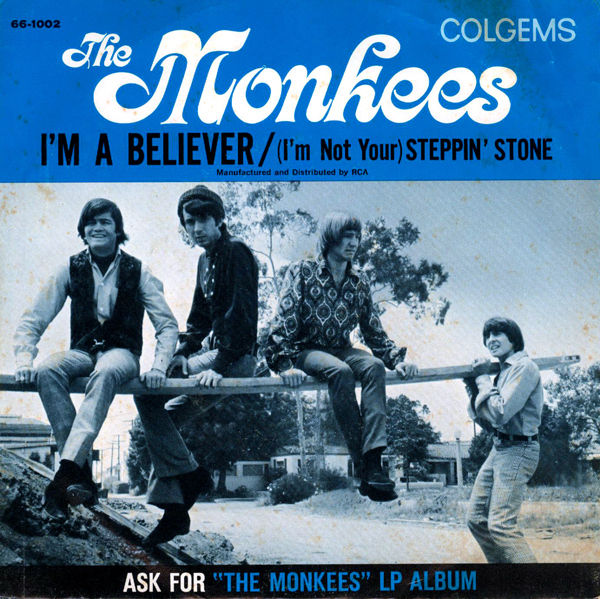
The Monkees
Hey, hey weÕre the Monkees Ð and weÕre in the Hall of Fame.
Many fans have unsuccessfully lobbied to get the Monkees in the Rock and Roll Hall of Fame, but they made their collective voice heard in this yearÕs Pop Music Hall of Fame voting, where the quartet received more votes than any other artist Ð and were mentioned on an astounding 70.77% of the ballots.
Created as an American version of the Beatles, the Monkees Ð Mickey Dolenz, Peter Tork, Michael Nesmith and Davy Jones – were at first derided as a studio invention; they initially didnÕt write their songs or play any instruments on the recordings. Nonetheless, The Monkees clicked with fans and as they took more control of their career, the quartet released a progressively intriguing parade of hits that included ÒLast Train to Clarksville,Ó ÒIÕm A Believer,Ó ÒPleasant Valley Sunday,Ó ÒWordsÓ and one of the ultimate sing-a-long singles of all time, ÒDaydream Believer.Ó
Dolenz would later tell the Boston Globe, “The Monkees really becoming a band was like the equivalent of Leonard Nimoy really becoming a Vulcan.”
Although the group disbanded in 1970, there have been numerous reunions of various band members, and one resulted in the 1986 hit, ÒThat Was Then This Is Now.Ó
Meanwhile, ÒThe Monkees,Ó Ð the manic TV series that started it all – continues to turn up on cable, each time adding a new generation to an extremely loyal fan base.
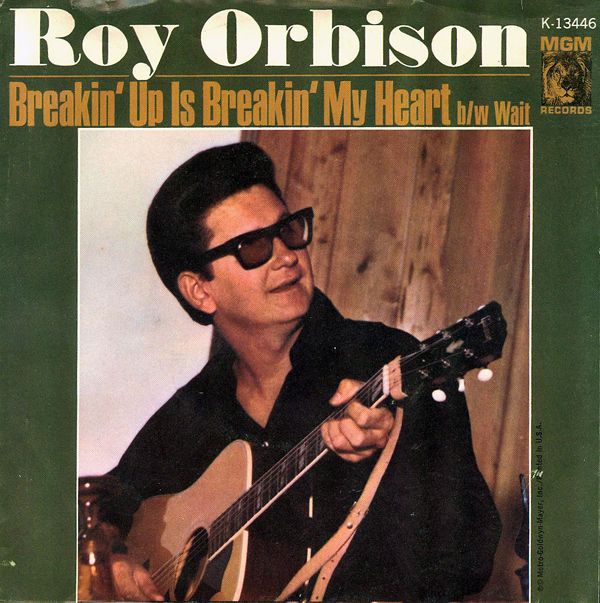
Roy Orbison
One spin of ÒCryingÓ on the turntable, and youÕll know why Roy Orbison was among the first inductees in both the Rock and Roll and Pop Music hall of fames. To say his voice is a little bit country, a little bit rock and roll would be an insult; to say it is distinct would be an understatement. To say it was unappreciated at the time, however, would be accurate.
In his long career, Orbison had just two No. 1 hits Ð ÒRunning ScaredÓ and ÒOh, Pretty Woman,Ó but his body of work is perhaps more popular now than when it was first issued in the 1960s. Many artists have attempted versions of ÒOnly the Lonely,Ó ÒCrying,Ó ÒBlue BayouÓ and ÒItÕs Over,Ó but none have measured up to OrbisonÕs sensational, soaring versions.
Many thought Orbison was blind, but in truth he wore the sunglasses only to help him overcome stage fright.
His vocals were akin to an artistÕs paintbrush, establishing three-minute mood-changers with ÒLeah,Ó ÒWorkinÕ for the ManÓ and ÒIn Dreams,Ó among others. ÒIn Dreams,Ó in fact, is such an evocative song that it was used as a key element in the movie, ÒBlue Velvet.Ó
ÒBlue VelvetÓ and OrbisonÕs own TV concert special, ÒA Black and White NightÓ renewed OrbisonÕs career – he even scored a hit in the 1980s with ÒYou Got It.Ó And late in his life, he charted once again with supergroup The Traveling Wilburys. But heÕll go down in pop history as one of its top solo artists not just of the Õ60s, but of all time.
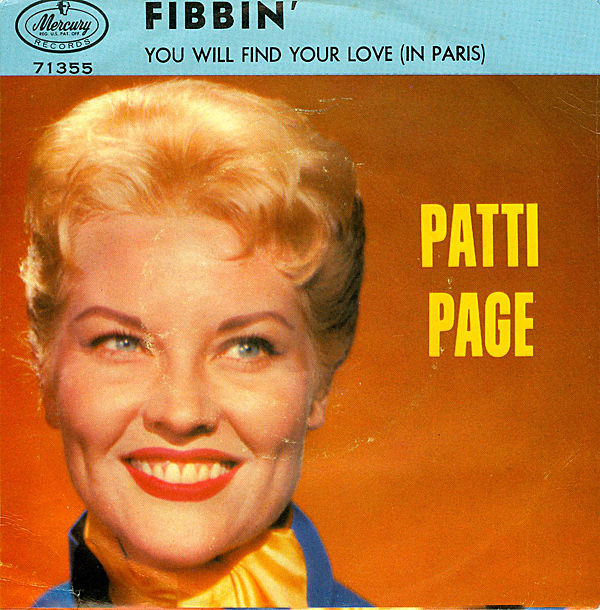
Patti Page
Clara Ann FowlerÕs life was right out of a Hollywood movie. Working as a staff singer at a Tulsa radio station in 1946, she was asked to fill in for the featured vocalist on a momentÕs notice. Patti Page never looked back. (Her name, by the way, was taken from the sponsor of that radio show Ð the Page Milk Company.)
She immediately stood out from the many female artists of the time by dubbing in the harmony (to sound like a duo) on her first hit, ÒConfess.Ó She followed with some of the most successful songs of the 1950s Ð ÒTennessee Waltz,Ó ÒMockinÕ Bird Hill,Ó ÒCross over the Bridge,Ó ÒAllegheny MoonÓ and ÒOld Cape Cod,Ó even delighting kids with a recording detour, ÒHow Much is That Doggie in the Window?Ó
Many of her songs were also country hits; in fact, Patti is one of a very few artists to have had country hits in five different decades. Her signature song, ÒTennessee Waltz,Ó has sold 15 million copies to date and is also the state song of Tennessee.
In a TV landscape of variety shows helmed by men, she fronted various variety shows of her own in the 1950s and bridged the decade with Ô60s hits such as ÒBoyÕs Night OutÓ and ÒHush, Hush Sweet Charlotte.Ó
A prolific and popular singer, Patti Page died on January 1, 2013.
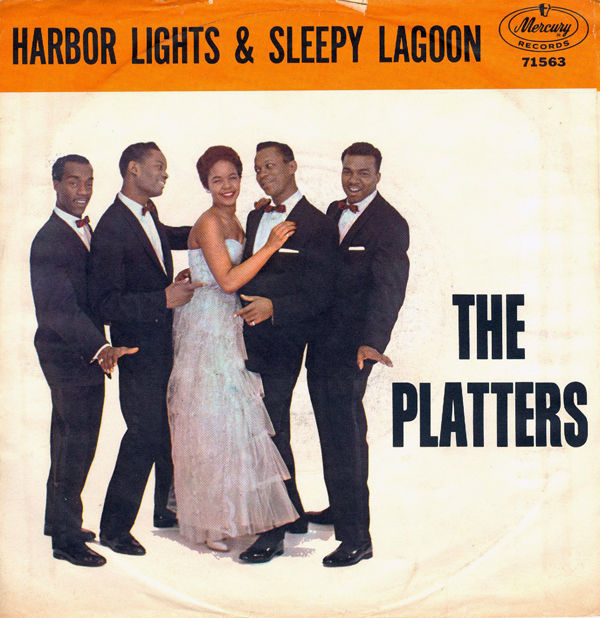
The Platters
Not many black groups received play on Top 40 stations in the mid-Ô50s. The Platters had no such problem. Appealing to black and white audiences Ð and, perhaps more importantly, to both teen and adult fans, the silky smooth sound of the Platters regularly filled the airwaves and the dance floor with ballads such as ÒOnly You,Ó ÒThe Great Pretender,Ó ÒMagic Touch,Ó ÒMy Prayer,Ó ÒSmoke Gets in Your EyesÓ and ÒHarbor Lights.Ó
From 1955 through 1960, the group had four number one songs and 16 gold records, earning them the distinction of the best-selling group of the decade.
Through considerable turnover in personnel (not to mention various touring groups), the Platters Ð and their songs Ð have endured into the 21st century and are featured in the soundtrack of dozens of movies.
Herb Reed, who was the only singer to appear on all of the Platters singers, was also its last surviving founding member. He died in 2012 at the age of 83.
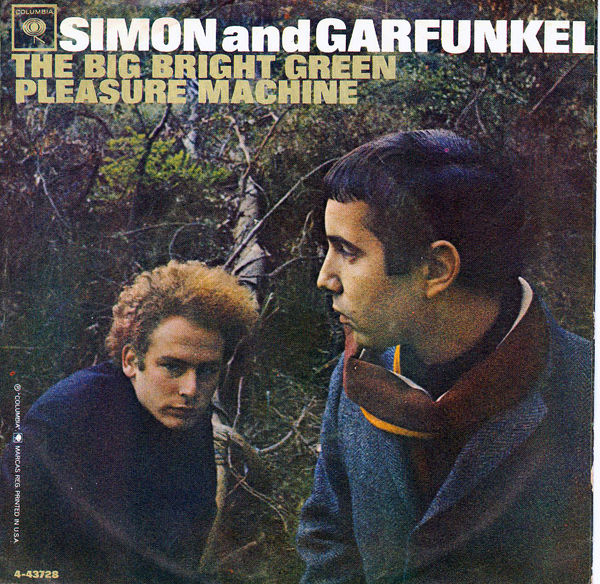
Simon & Garfunkel
Thousands of recording acts have hit the pop charts, but very few are considered game-changers. Simon & Garfunkel are one of those acts. Known as much for their songwriting as for their music, Simon & Garfunkel are considered by many to be the poets of their generation.
As high school friends, they formed the duo Tom & Jerry and scored a moderate hit with ÒHey Schoolgirl.Ó But it was their first album as Simon & Garfunkel – ÒWednesday Morning 3 AMÓ that launched their career. While it was initially dismissed by critics and fans, a remix of one of its tracks ÒSounds of Silence,Ò eventually garnered some airplay, and the release of the same-titled album produced three hits, including ÒHomeward BoundÓ and ÒI Am A Rock.Ó
Many artists produce their signature hit early in their career, but Simon & Garfunkel built to a crescendo. It was one of their final singles, ÒBridge over Troubled WaterÓ that became their iconic piece. Considered one of the stellar singles of all time, ÒBridge over Troubled WaterÓ won Record of the Year, Song of the Year and Album of the Year in 1971.
Both Paul Simon and Art Garfunkel currently are enjoying long solo careers, but it is their on-again, off-again reunions that resonate most with fans. One of those reunions, 1981Õs Concert in Central Park, drew 500,000 fans.
Winners of 11 Grammys, Simon & Garfunkel received GrammyÕs Lifetime Achievement Award in 2003.
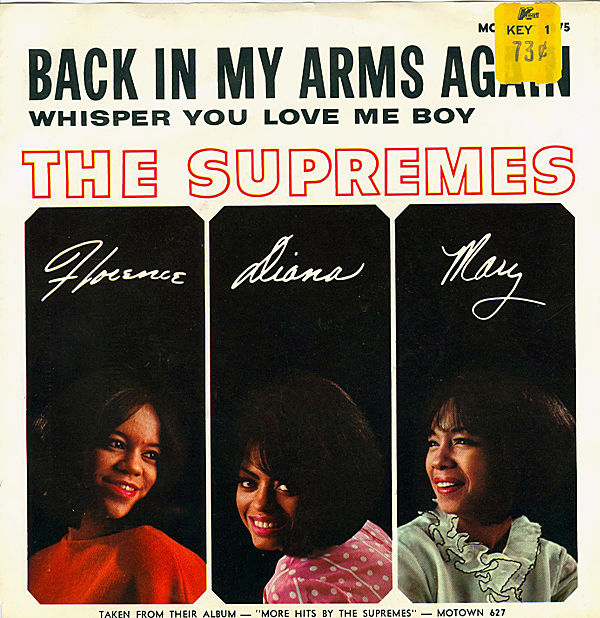
The Supremes
When the Primettes changed their name to the Supremes in the early 1960s, few knew how fitting the moniker would become. After a slow start – including the underperforming ÒWhen The Lovelight Starts Shining in his Eyes – Diana Ross, Florence Ballard and Mary Wilson hit it big in the summer of 1964 with ÒWhere Did Our Love Go.Ó They never looked back. Their first five singles all hit No. 1, as did another five of their first 20 releases.
Frequent guests on televisionÕs variety shows of that era, including 17 appearances on ÒThe Ed Sullivan Show,Ò the Supremes became a household name and the face of Motown – a record company that more than any other, produced soul music for white audiences.
From 1964 through 1970, the trio scored 12 No. 1 songs, more than any American vocal group before or after. When Diana Ross left the group, she left as a superstar – the Supremes final single, ÒSomeday WeÕll Be TogetherÓ hit No. 1.
What most people didnÕt know was that ÒSomeday WeÕll Be TogetherÓ was intended to be DianaÕs first solo effort, but Motown, realizing it had a hit on its hands, opted to send Diana Ross & the Supremes out with a bang. Nonetheless, Diana was the only Supreme singing on the record.
The above artists join The Beach Boys, The Beatles, Johnny Cash, Ray Charles, Nat King Cole, Perry Como, Bobby Darin, Neil Diamond, Brenda Lee, Johnny Mathis, Elvis Presley, Frank Sinatra, Bobby Vinton and Stevie Wonder in AmericaÕs Pop Music Hall of Fame. Election of the third class of inductees will be in September 2014.
A feasibility study for a permanent Pop Music Hall of Fame structure is currently underway.