

COPD– What is it and how can it be treated?
Chronic obstructive pulmonary disease (COPD) refers to a group of lung diseases that make it difficult to breath. People who are diagnosed generally notice symptoms such as fatigue, shortness of breath and wheezing. These are a result of damage to the lungs where the airways become narrow, resulting in poor movement of air in and out of the lungs.
The CDC reported in 2011 that chronic lower respiratory disease, primarily COPD, was the third leading cause of death in the United States. Approximately fifteen million Americans report that they have been diagnosed. One study estimated that 50% of people with signs and symptoms were unaware that they had COPD*. Current or former smokers or those with a history of exposure to air pollutants at home or work are at higher risk for this condition.
If the previously mentioned symptoms are present a family doctor can initiate a work-up. A simple breathing test called spirometry can be performed. This evaluates air movement in and out of the lungs. Your doctor may also evaluate your symptoms with a chest x-ray and additional pulmonary function studies.
If diagnosed many treatment options are available to help relieve shortness of breath and wheezing, but will depend on the severity of disease. The most basic involves a “rescue inhaler” called albuterol which helps to temporarily increase the size of the airways thus allowing more air to travel in and out of the lungs. If more severe symptoms are present maintenance medications may be prescribed for use on a daily basis.
Symptoms may intensify during times of viral or bacterial respiratory illness. It is advised that if this takes place an evaluation should be performed at your doctor’s office for additional therapies. Measures that may decrease the possibility of these events include flu and pneumonia immunizations.
The most important preventative measure is to stop smoking and eliminate exposure to air pollutants.
For additional information please talk with your primary care doctor at the Washington Health System or follow the links below:
http://www.cdc.gov/copd/
http://www.uptodate.com/contents/chronic-obstructive-pulmonary-disease-copd-including-emphysema-beyond-the-basics
—
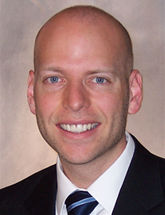
Dr. Scott Schmitt was raised in Ogden, UT where he completed a bachelors degree in Clinical Laboratory Science at Weber State University. He then completed medical school at Des Moines University in Iowa. He enjoys many aspects of the medical field, which led him to pursue a path to be a general practitioner. He enjoys spending time with his family engaged in various outdoor activities.
*Mannino DM, Gagnon RC, Petty TL, Lydick E. Obstructive lung disease and low lung function in adults in the United States: data from the National Health and Nutrition Examination Survey 1988-1994. Arch Intern Med. 2000;160:1683-1689.