

Denver to the high desert
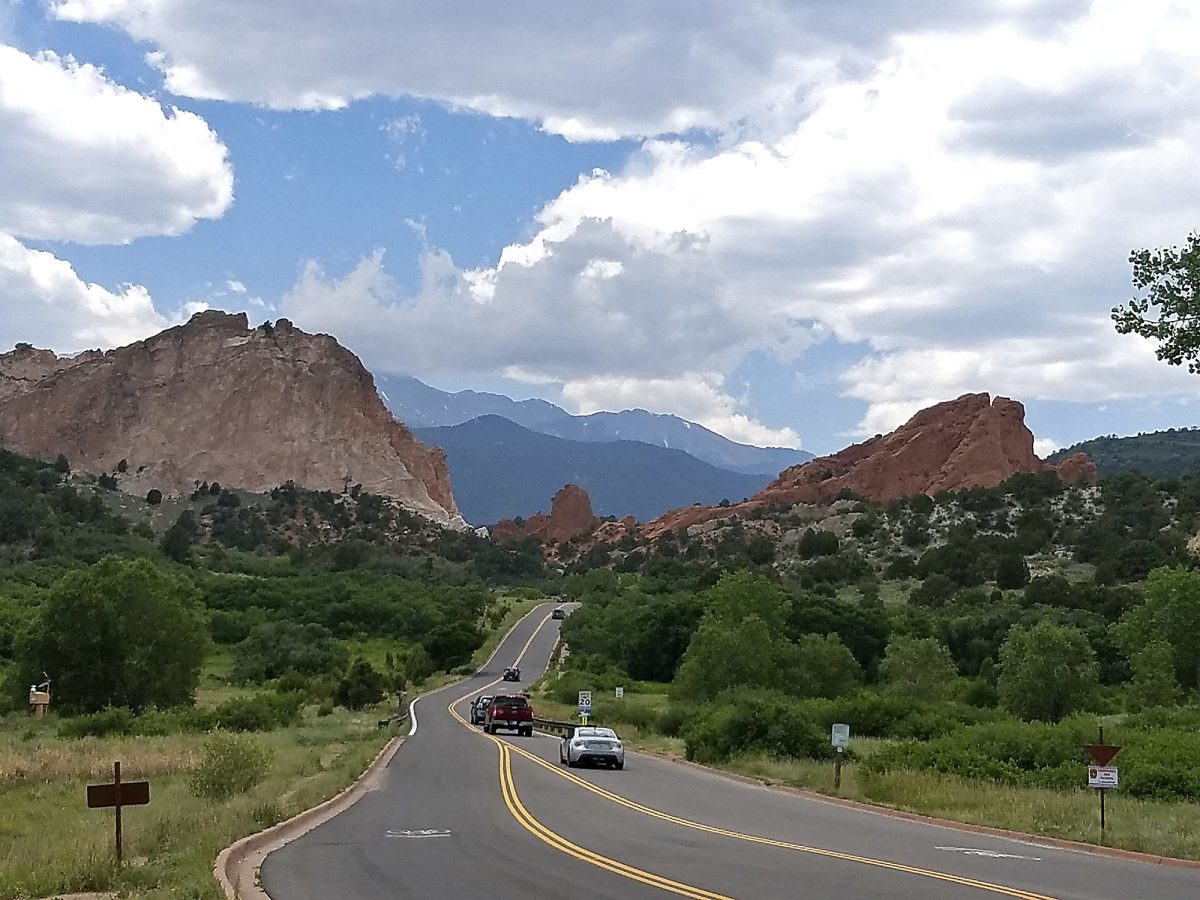
Garden of the Gods Park in Colorado Springs, Colo., is a Registered National Natural Landmark with dramatic views and 300-foot towering sandstone rock formations against a backdrop of snow-capped Pikes Peak and a brilliant blue sky.
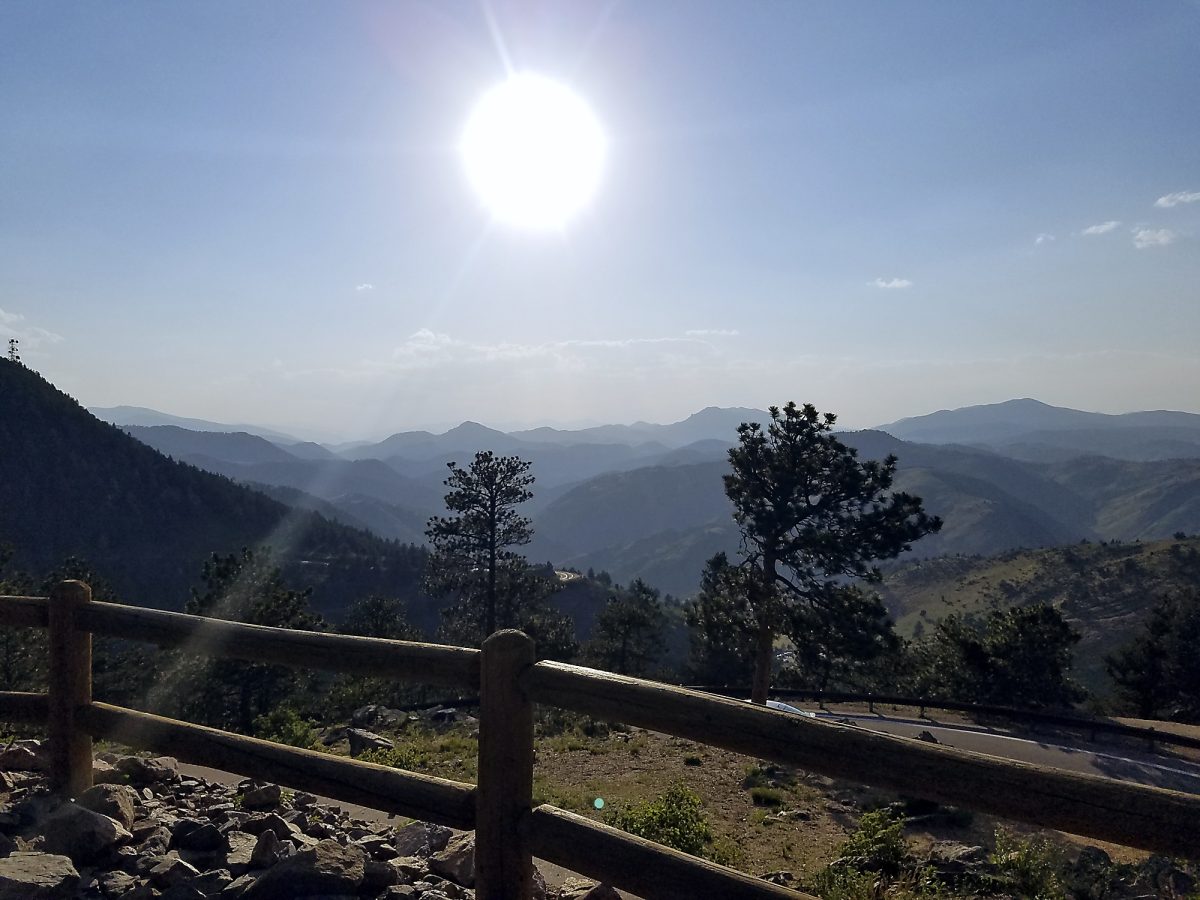
Lookout Mountain Park offers a panoramic vista of the Great Plains and the Rockies, and attracts more than 400,000 visitors annually.
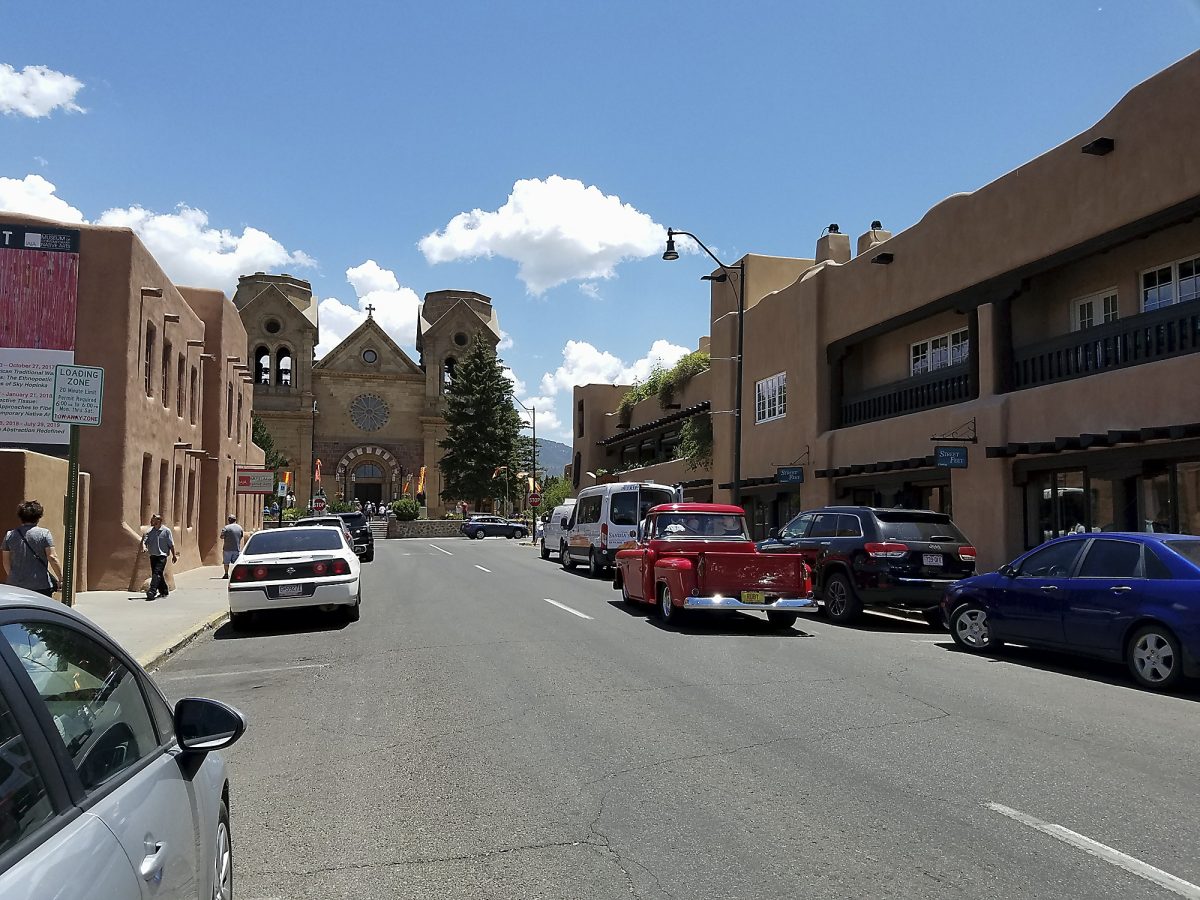
Downtown Santa Fe, N.M., is perched in the Sangre de Cristo foothills and known for its Pueblo-style architecture and vibrant arts scene.
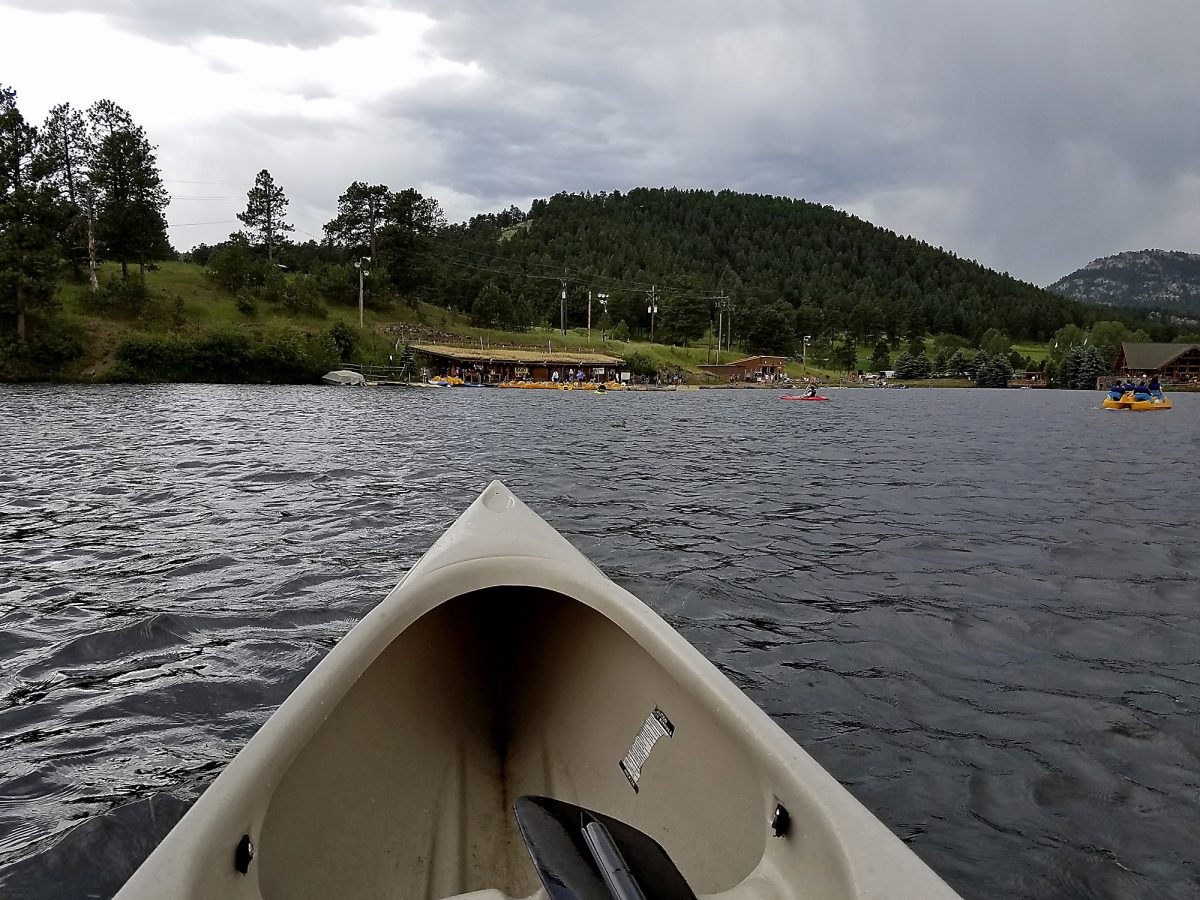
Canoeing is just one of the many outdoor adventures awaiting visitors at Evergreen Lake in Evergreen, Colo.
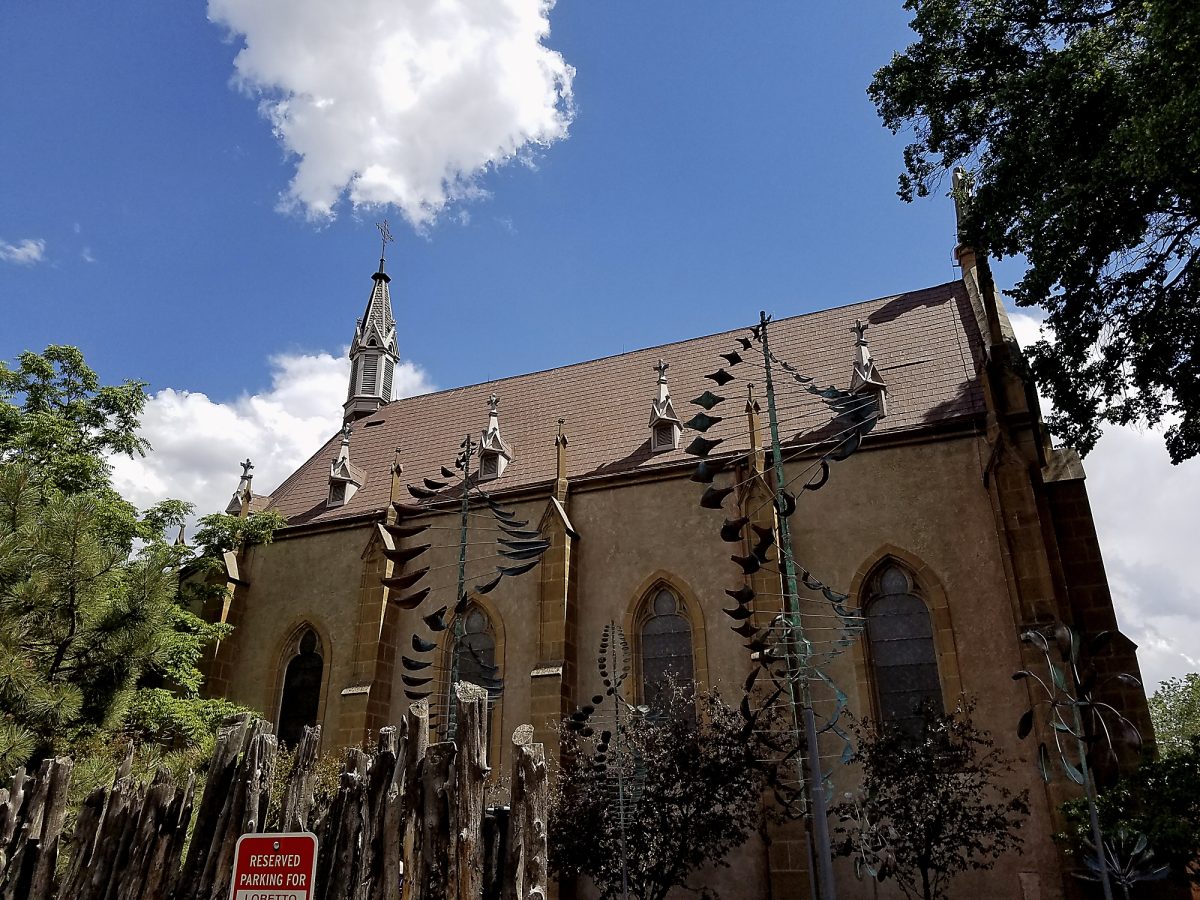
Loretto Chapel in Santa Fe, N.M.
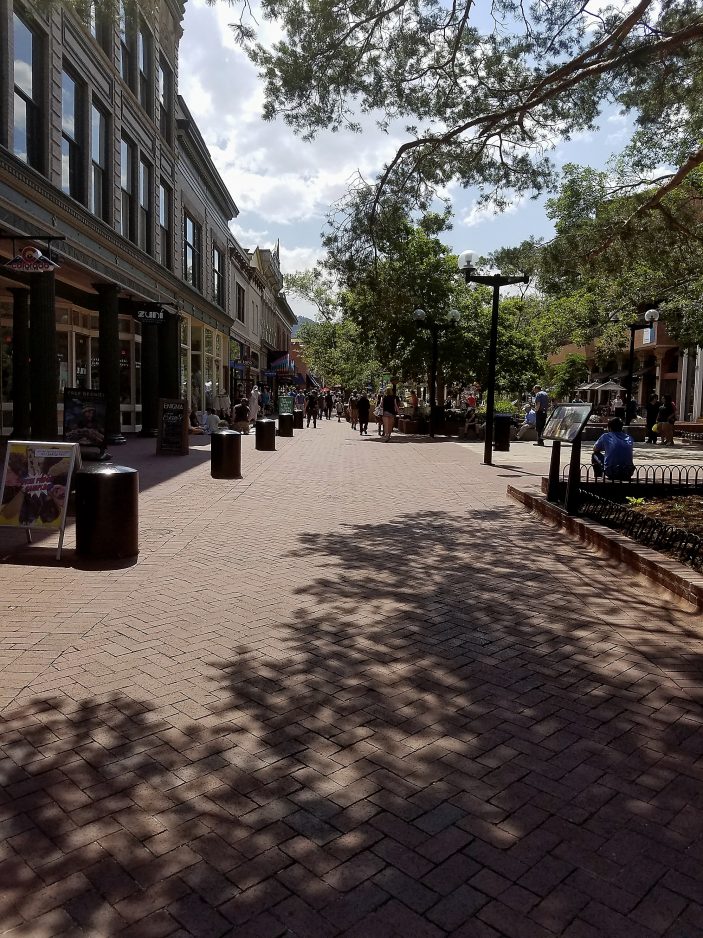
The pedestrian Pearl Street Mall in downtown Boulder, Colo., includes art galleries, cafés, restaurants and boutiques.
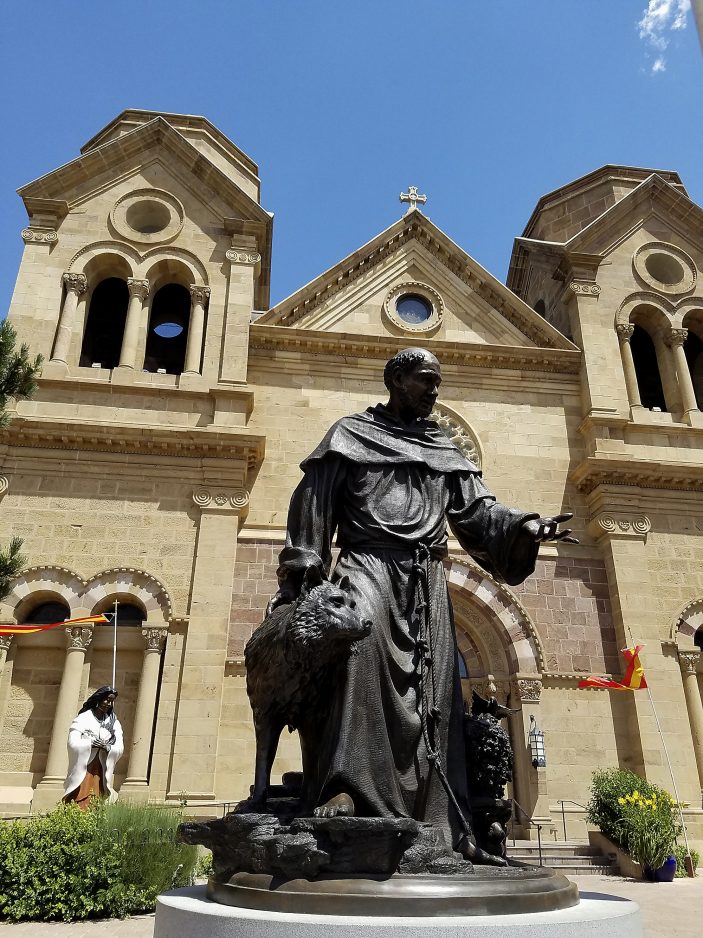
Cathedral Basilica of St. Francis of Assisi in Santa Fe, N.M.
“What is there to do in Denver in the summer?” I asked when my friend and travel companion invited me to join her on a family visit.
Being a downhill skier, I had only ever been to Colorado when it was blanketed in snow, and I usually breezed from the Denver airport along Interstate 70 straight to the mountains without stopping to visit the Mile High City itself.
What had I been missing?
A lot – judging by the rental car rates, availability and packed flights and baggage carousels. Everyone, it seems, was heading to Denver and the Rocky Mountains this summer, and now I know why.
The first thing you’ll notice when driving around Denver and its serene suburbs is that people live to be outdoors year-round. Parks and hiking trails abound, you’ll encounter cyclists on every road you drive, and mountain climbing and biking fanatics are as ubiquitous in summer as skiers and snowboarders are in winter. We saw packs of cyclists making the long, slow climb up Lookout Mountain just to the west of Denver in Golden.
At the top, you’ll visit the famous gravesite of William F. Cody, otherwise known as the namesake of Buffalo Bill’s Wild West shows. The view from his gravesite and museum at Lookout Mountain Park overlooks a panoramic vista of the Great Plains and the Rockies, and attracts more than 400,000 visitors annually.
Staying to the west, there’s plenty to do at Evergreen Lake in Evergreen, Colo., with 55 acres of lake and a hiking trail perfect for walks, fishing, kayaking, canoeing, paddleboating and paddleboarding.
Once you’ve worked up an appetite, head across the street to Willow Creek Eatery for locally sourced fare and scenic views of the lake and mountains. Heading back toward Denver, you’ll want to visit the famous Red Rocks Amphitheatre and park in Morrison. A vision of artists performing on a stage nestled in perfect acoustic surroundings led to the building of the amphitheater by the Civilian Conservation Corps and Works Progress Administration in 1936. The intimate setting seats only around 9,500 and has hosted performances by acts ranging from the Beatles to the Grateful Dead to U2. During the day, you’ll find exercise enthusiasts climbing up and down the stairs for a potent, high-altitude workout.
After you’ve done some exploring, it’s time to relax in the shadow of Red Rocks at nearby Flights Wine Café in Morrison. This cozy 1870s cottage is a wine café with outdoor garden seating and light eats to compliment all of its 100 featured wines by the glass.
I decided to venture to downtown Denver and take a walk through the beautiful state capitol, where you can climb all the way to the top of the glittering dome. Across the street, enjoy lunch al fresco from dozens of food trucks in the park during lunch, or hop the nearby MallRide, free shuttle buses that travel up and down the milelong 16th Street Mall in a pedestrian-friendly area brimming with shops, restaurants and watering holes.
We disembarked at Larimer Street, which is home to hipster shops, galleries and eateries, and enjoyed delicious eats at Tom’s Urban, which serves locally sourced comfort food and craft cocktails.
A day trip north to Boulder and the foothills of the Rocky Mountains was worth the scenic drive. Downtown’s pedestrian Pearl Street Mall includes art galleries, cafés, restaurants and boutiques, and the wonderfully relaxed town is home to the picturesque campus of the University of Colorado.
Next it was time to head south on Interstate 25, with a scenic stop at Garden of the Gods Park in Colorado Springs. The park is a Registered National Natural Landmark with dramatic views and 300-foot towering sandstone rock formations against a backdrop of snow-capped Pikes Peak and a brilliant blue sky. Take a hike up one of the trails and you’ll find stunning views, plus you’ll likely glimpse adventurous mountain climbers scaling the peaks.
As we headed farther south, we didn’t even realize we were still climbing. It’s another 4 1/2 hours on to Santa Fe, N.M., which at 7,199 feet, sits even higher than Denver. The drive may not have much eye-appeal, but it’s worth the trek to this gorgeous city perched in the Sangre de Cristo foothills and known for its Pueblo-style architecture and vibrant arts scene.
Founded as a Spanish colony in 1610, the city has maintained the plaza as its heart and soul, and it’s a great place to center your visit. There, you’ll find galleries, artisans, restaurants and even oxygen and healing bars (we tried 15 minutes of oxygen to refresh us and ward off altitude sickness.)
Peruse the plaza, then wander into the Loretto Chapel, Cathedral Basilica of St. Francis of Assisi and wonderful art and history museums before checking out the art galleries on nearby Canyon Road.
All of this exploring will make you hungry, and Santa Fe will not disappoint any palate. Dinner at Il Piatto provided delicious farm-to-table Italian fare with a wonderful wine and dessert selection. If you’re on the plaza, peek inside La Fonda Hotel with its gorgeous Southwestern décor and grab a delicious lunch of fresh tamales, chiles rellenos and homemade salsa paired with local brews. Hop the elevator to the rooftop bar for grandiose vistas of the downtown area and surrounding mountains.
We rounded out our Santa Fe trip with an amazing tapas dinner at La Boca, where Spanish small dishes, such as Iberian ham, are paired with Mediterranean and South American wines.
After such stunning scenery, the drive back north to Denver was a bit dull. If you still have time and energy, veer off to the northwest (as I did on a previous trip) and visit Bandelier National Monument near Los Alamos and the artsy town of Taos before hooking back up with Interstate 25.
We found one last delicious stop when we fueled up the car in Las Vegas, N.M. Kocina De Raphael is a little local haunt serving up a fresh, Southwestern combo plate big enough for three people. We wound up taking the taco and flaky sopapillas along to munch on during our drive back to Denver, all the while marveling at the magnificent things a high desert trip has to offer.