

Claysville resident to speak at Civil War roundtable
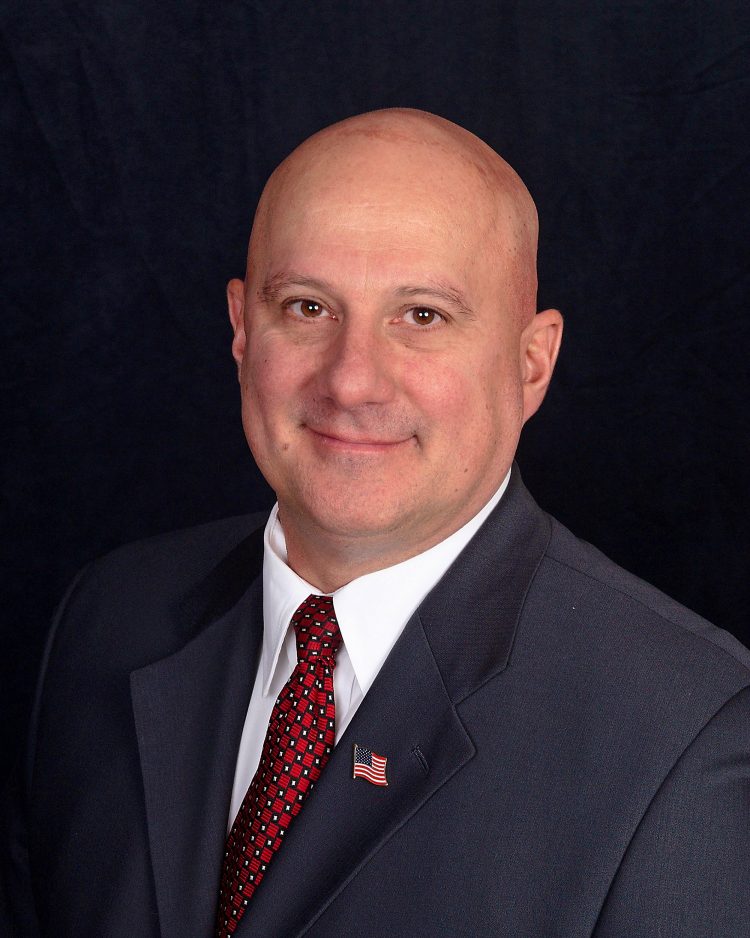
Mark A. Smith
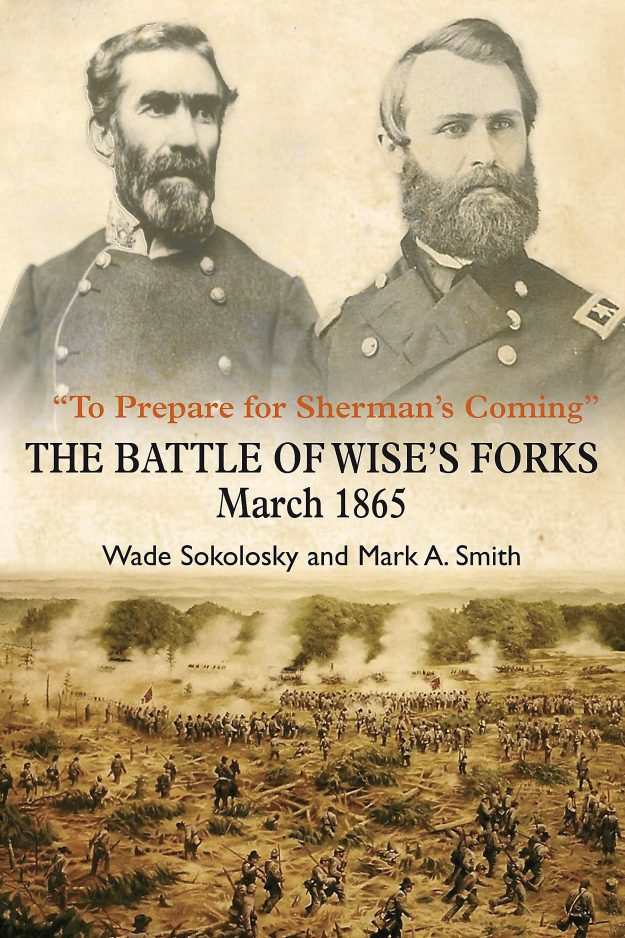
The cover of “The Battle of Wise’s Forks” by Wade Sokolosky and Mark A. Smith
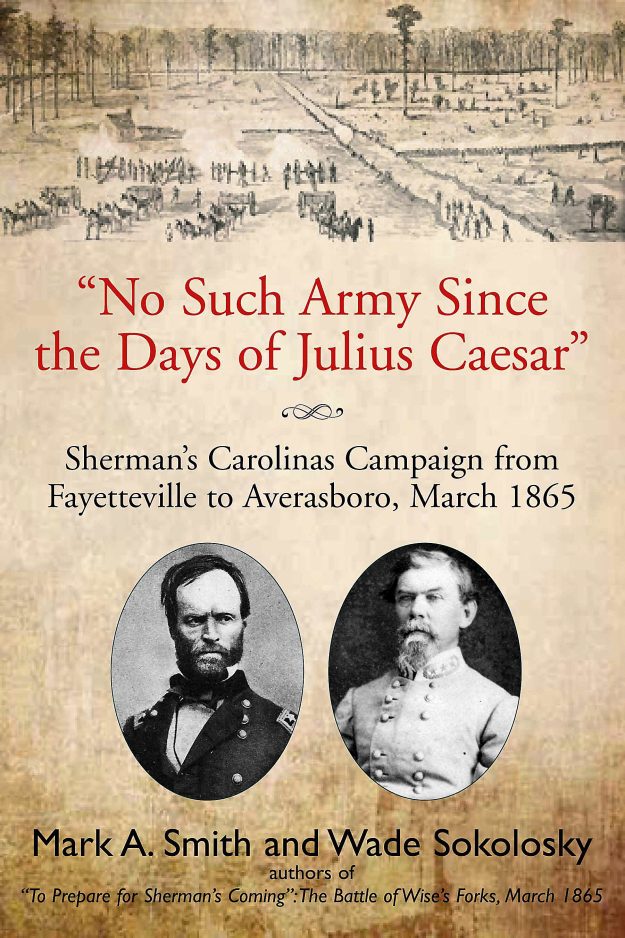
The cover of “No Such Army Since the Days of Julius Caesar” by Mark A. Smith and Wade Sokolosky
Located in southeastern North Carolina, about 80 miles north of Wilmington and 150 miles west of Nags Head, Wise’s Forks may be little more than a blip on the radar screen, and certainly not recognized as one of America’s most notable tourist destinations.
But in March 1865 – specifically from March 7 to 11 – Wise’s Forks was the scene of one of the more significant battles of the final days of the Civil War, claims retired Army Maj. Mark A. Smith of Claysville, featured speaker at the Feb. 9 California University of Pennsylvania Civil War Roundtable.
Many Civil War historians have long maintained that the battle proved to be “nothing more than an insignificant skirmish (during the final days of the Civil War) and relegated to a passing reference in a footnote, if it is mentioned at all,” according to Savas Beatie, publisher of historical titles of distinction, from his synopsis of the 2015 book, “The Battle of Wise’s (Wyse) Forks, March 7-11, 1865.”
Smith and Wade Sokolosky, the book’s authors, suggest otherwise in the book, which according to Beatie “erase(s) this misconception and elevate(s) this combat and its related operations to the historical status it deserves.”
Little, if any, emphasis had been placed on the events at Wise’s Forks, said Smith, because most of the information at the time had been focused on the events developing at Petersburg, Va., and operations of the Army of the Potomac and the Army of Northern Virginia.
Smith, 55, further explained the historical significance of the battle in terms of Gen. William Tecumseh Sherman’s Carolina campaign. Moving northward from South Carolina to North Carolina, Sherman’s purpose was to wreak havoc from Savannah to Petersburg, as he had previously done in his march to the sea, more commonly known as the Savannah Campaign. Sherman’s objectives were to resupply his army at Goldsborough (later renamed Goldsboro), keep open the rail line for Union forces, reach a southward-advancing Gen. Ulysses S. Grant, capture Wilmington, N.C., and cut off the last Confederate port and the rail line to Petersburg.
Smith and Sokolosky embarked on their project – with a second and just released collaboration, “No Such Army Since the Days of Julius Caesar,” an examination of Sherman’s Carolinas Campaign from Fayetteville to Averasboro – when the pair were officers at Fort Bragg, N.C.
“No one had ever written about the events at Wise’s Forks,” Smith said. “Thus, people were missing the historical significance of this engagement. This is a fascinating topic, from the standpoints of logistics buildups, and the need for railroad engineers to open the rail line for Union troops and supplies.”
This battle, Smith added, may be characterized as a series of errors and missed opportunities – on both sides. As necessary and important as it was for Union forces to open the rail line, it was just as vital for Confederate troops under Gen. Joseph E. Johnston to consolidate forces to counter and delay or defeat Sherman’s march northward and deny access to Union troops. Unique aspects of the battle demonstrate, from the Union perspective, what can happen when provisional units are hastily formed, while the Confederate forces demonstrated the effectiveness of a surprise flank attack, which worked perfectly. Inexperienced Union commanders on the ground displayed poor savvy and nearly caused Union forces to be routed. This could have been a huge catastrophe for the Union army.
Smith, who graduated from Upper St. Clair High School, holds a master’s degree in military studies from American Military University in Washington, D.C.
During his 21 years in the U.S, Army, Smith served in various positions, including battalion executive officer, brigade and battalion logistics staff officer and Army ROTC instructor at Virginia Tech.
“We obviously have similar interests – the military, military history and especially the Civil War,” Smith noted, referring to his friendship with Sokolosky. “We put our ideas together and made each other better regarding our interests, research and writing.”
For the last five years, Smith has been a human resources generalist at Wheeling (W.Va.) Hospital, following stints as human resources manager at both Lowe’s and 84 Lumber.
Following his retirement from the military in 2005, he settled in Claysville. In addition to appearing at several roundtables each year, he travels to North Carolina for anniversaries and re-enactments.
Besides his military career, Smith gets his interest in the Civil War honestly: his great-great-grandfather, Pvt. James Smith, served with Company G, 169th New York and was wounded at Petersburg; his great-great-uncle, Pvt. Benjamin Sarver, was a member of Company F, 78th Pennsylvania.
Smith will meet roundtable enthusiasts in the university’s Kara Alumni House. Doors will open at 6:30 p.m., with the program set to begin at 7. For additional information, email stonewall1863@comcast.net, call 724-258-3406 or text 724-787-2340. There is no admission fee.