

DHS, Penn State discuss financial impact study of COVID-19 on child care providers
The coronavirus pandemic has taken a huge hit on child care providers, with a financial impact reaching hundreds of millions of dollars, partially offset by government funding, officials said.
A financial impact study determined costs to child care providers have reached about $209.4 million in Pennsylvania. The Coronavirus Aid, Relief and Economic Securities Act (CARES) released $104 million to Pennsylvania child care providers through July and an additional $116 million will be distributed by early September, for a total of $220 million. But costs continue to mount, and are expected to exceed $325 million by Labor Day. Of the roughly 2,000 child care providers in Pennsylvania, about 200 announced plans to close permanently as of late July, and more than half of them remain at risk.
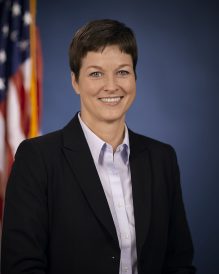
“If the pandemic were over today, and our economy was back to where it was pre-pandemic, then we would probably be in a pretty good place … I think the concern really comes in where we look at the future,” said state Department of Human Services (DHS) Secretary Teresa Miller. “We’re doing OK if we could just hit the reset button and move forward, but that’s not the reality.”
DHS representatives were joined at a Monday morning press conference by Dr. Philip Sirinides, director of Penn State Harrisburg’s Institute of State and Regional Affairs. He led the impact study to determine what additional funding is needed to keep child care providers afloat and continue providing the services critical to working parents and guardians.
Research focused on four financial impact areas that affected all child care providers – facility expenses during the shutdown, floating payroll to rehire staff, implementing COVID-19 guidelines, and reduced enrollment. Sirinides recommended the first three areas of impact be prioritized for funding, with further analysis on enrollment as the school year begins.
Between mid-March and June, at least 86% of facilities closed temporarily and facilities cut personnel costs with furloughs, the study indicated, while some costs, like insurance and rent payments, were still due. Statewide, these expenses exceeded $56.6 million. Many facilities used cash reserves or extended their debt to pay the bills, the study found.
Facilities also expressed concerns for making payroll to rehire teachers as they reopen, with income often lagging behind the costs. Two week payroll costs are about $63 million.
Meeting COVID-19 regulations for two months will cost facilities about $89 million statewide. This includes hiring additional personnel to accommodate social distancing guidelines, cleaning and sanitizing supplies and additional time for cleaning.
“The large combined costs of the COVID-19 response have left providers reassessing whether they can afford to continue operation, or will need to close,” the study said.
Reduced enrollment increases the cost of care per child, and is expected to continue for months. The study used speculative data, calculating figures based on child care facilities operating at 83% capacity, which is expected to cost facilities $115.7 million.
“It is unknown how long a period of low enrollment will continue,” the study said.
Some parents are hesitant to return children to child care facilities, or do not require the service while working remotely or while facing furloughs themselves. Most parents indicated they would return their children to child care facilities at some point.
“The COVID-19 pandemic has demonstrated how essential child care is to working families and employers, in addition to highlighting the fragility of the child care system,” Sirinides said. “Without assistance, the impacts of COVID-19 will continue to be felt for months or possibly years as child care providers try to reopen, rebuild, and traverse their new normal.”
Miller said they will continue lobbying the federal government for grant funding to offset continuing costs to child care providers.
“This crisis is not over,” Miller said. “We’re going to continue to have a struggling economy for a while.”