

Secretary of Ed. urges districts to continue education amid closures
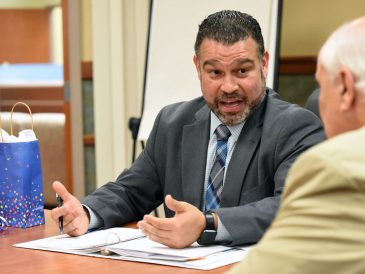
Pennsylvania Secretary of Education Pedro Rivera encouraged school districts to come up with “continuity of education” plans, to keep students learning while schools are closed during the COVID-19 outbreak.
Due to the pandemic, schools are no longer bound by the state mandate of 180 days of instruction for the school year, since the schools closed March 13 and will not be reopening to students until April 9.
“We are strongly urging school districts to not wait, to not stand on the periphery, to really engage students,” Rivera said during a press conference via phone.
Rivera encouraged districts to plan for online learning programs or other learning options for students who don’t have access to computers or internet connectivity. Whether districts decide to implement formal instruction online or more relaxed “enrichment” programs for students, he said they should do something to avoid a gap in education during the COVID-19 closures.
“We’re asking districts to make reasonable and appropriate efforts in good faith,” he said.
The state House of Representatives passed a bill Wednesday that includes a waiver of the state’s mandate that districts maintain a minimum of 180 days of instruction. The bill also allows for teachers who were employed as of March 13 to be paid the same. The bill will now go before the state Senate for approval.
Rep. Pam Snyder, D-Jefferson, expressed satisfaction with the bill in a news release.
“It gives them the flexibility they need to provide alternative instruction for students, while also providing additional authority to waive other requirements, with the ultimate goal of ensuring all of our children continue to receive some form of education during this time,” Snyder said in the release.
The Pennsylvania State Education Association was also glad to see the legislation passed, as it sent a letter last week urging legislators to take action soon relating to the pandemic.
“The coronavirus pandemic represents an unprecedented challenge for our schools, students, and staff,” PSEA President Rick Askey said in a news release. “This legislation reflects a shared commitment among education stakeholders, lawmakers, and the Wolf administration to keep students safe and healthy, while ensuring their educational needs are met.”
Rivera said his office has been working closely with the state’s 29 Intermediate Units to better understand the needs of districts statewide, as they are “extremely diverse, geographically, economically, and their student bodies are different.” He said the IUs are helping to form continuity of education plans for districts in their region.
The school year can’t be extended beyond June 30, Rivera said, because that’s the end of the fiscal year. He said his office is working to develop strategies for high school seniors who had plans for post-secondary education or jobs lined up.
“We put a full team on it to really identify and look at state law and federal regulations to work on a pathway to allow those kids to graduate this year,” he said. “We’re going to do whatever we need to do to have those kids graduate and for them to graduate prepared.”
For some districts, continuing instruction could come with a price tag, whether it’s through online learning platforms or mailed-out work packets.
“We’re working really hard to not transfer a huge bulk of this cost to the school districts,” he said.