

Can you blame your blues on the change of seasons?
Courtesy of Lizz E. Woodburn
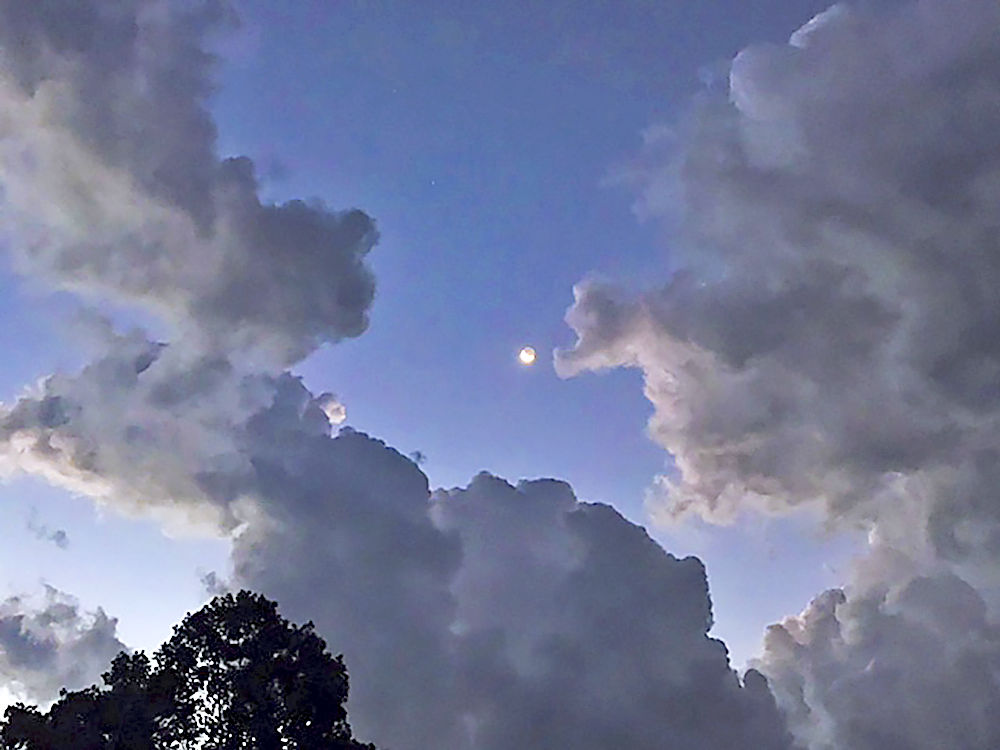
The moon peeks through a cloudy sky during a recent morning in Avella.

Dr. Alicia Kaplan
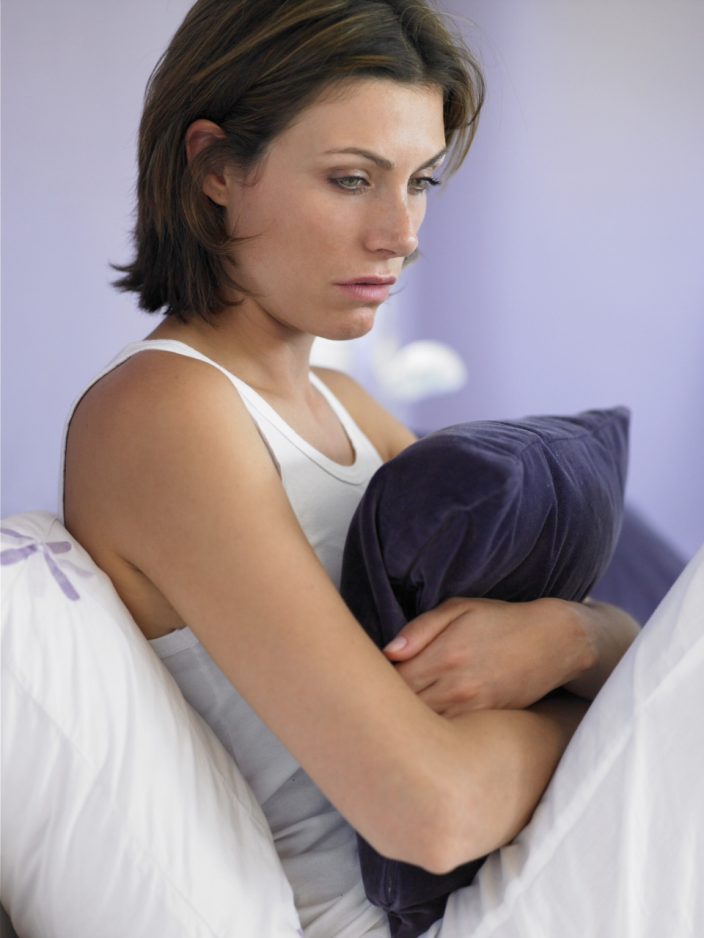
Seasonal Affective Disorder (SAD) is a condition involving symptoms of clinical depression that begin during the fall and winter months and typically last until spring.
Now that Southwestern Pennsylvanians made it through changing their clocks with the end of daylight saving time, many are still faced with the gloomy reality of days getting shorter for about the next six weeks.
Add in colder temperatures, and the likelihood of snow, and it’s a perfect recipe for some late autumn blues.
But can those blues felt by many this time of year really be blamed on the changing seasons and the time change?
The experts say yes – up to a point.
Once the clocks have been changed, many feel winter doldrums starting to creep up on them. Many feel their energy wane, feel a bit down in the dumps and may lose interest in some activities.
Psychiatrists say this is understandable with the loss of those long daylight hours of summer. What many may not realize is this may actually be the onset of seasonal depression. A good way to tell is if you start feeling anxious even before the season changes and worrying about how your body will react.
Seasonal Affective Disorder
While most of us feel a bit blue about shorter days and the onset of winter, more severe symptoms are actually a sign of a form of depression.
In Southwestern Pennsylvania, Seasonal Affective Disorder (SAD) is a common type of depression and it tends to impact women more often than men. Symptoms include feeling tired, sluggish, more irritable and anxious and even having stronger cravings for carbohydrates.
While the origins of SAD are not fully known, one hypothesis involves changes in circadian rhythms because of seasonal changes in the light-dark cycle or length of daylight.
Dr. Alicia Kaplan, a psychiatrist with Allegheny Health Network, treats patients for SAD and said some patients appear to be more vulnerable than others to changes in the length of natural daylight each day.
“From what I have seen in practice, this may occur for them as early as late August or early September,” Kaplan said. “Some people report noticing it when the clocks change. Their energy feels off and ability to fall asleep.”
Kaplan said SAD, fall type or “winter depression” is the most common form of seasonal depression.
“It can be a problem because depending on the severity of the depression, it can interfere with social, occupational or other functioning and cause marked levels of distress,” she said.
She said the symptoms are easy to spot including increased sleep and appetite and weight gain, depressed mood and a loss of interest or pleasure in things.
“I am often asked about ‘winter blues,'” Kaplan said. “Subsyndromal symptoms of SAD are common in Pittsburgh and don’t significantly interfere with functioning. Subsyndromal means the symptoms do not quite meet the criteria for a major depressive episode.”
It’s not just the lack of daylight that can causes these symptoms.
Doctors say less socialization and a lack of movement can also contribute to SAD, since both often happen during colder months when many are stuck inside their homes for more hours of the day.
How can this be combated?
Make plans to socialize a bit more and really make an effort to exercise and do more activities outside of the home.
Kaplan recommended taking walks outside during the day, sitting by a window to get exposure to some daylight, exercising regularly, getting out with friends and having a good diet. She also recommended dawn-simulating lamps which brighten gradually and turn on before the sun rises.
How can SAD be treated?
Sometimes taking these simple steps helps to alleviate symptoms of SAD.
Kaplan said treatment of SAD is influenced by the severity of the depression.
“Options often include medication management such as antidepressants, bright light therapy, cognitive behavioral therapy or a combination approach,” she said.
Research has shown bright light therapy is effective for approximately 60% of patients with SAD and works especially well if used early in the morning hours.
Bright light therapy involves using a light box, with a setting of at least 10,000 lux, and sitting in front of it for about 30 minutes each day.
Kaplan stressed it’s also important to continue with physical activity, daily walks outside, social connection, getting nutrition and utilizing wind down strategies in the evening.
While exposure to simulated daylight is one effective treatment, too much of another kind of light may actually hurt your sleeping pattern and contribute to insomnia.
“For those that struggle with insomnia, it may help to try to avoid looking at things that give off light prior to bedtime, such as phones or e-books which can make it more difficult to fall asleep,” Kaplan said. “It may also help to reduce blue light from computer monitors and televisions later in the evening which might facilitate falling asleep earlier.”