

4-Hers thirve amid pandemic
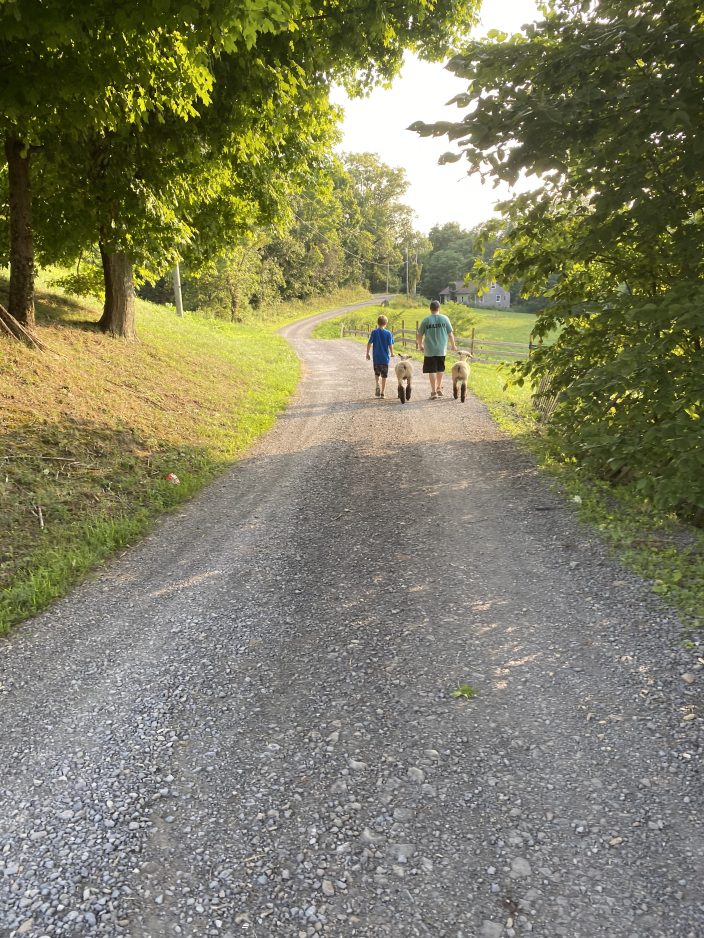
Neighbors John Myers Bowman and Chase Barnabah walk their lambs down the lane in Richhill Township.
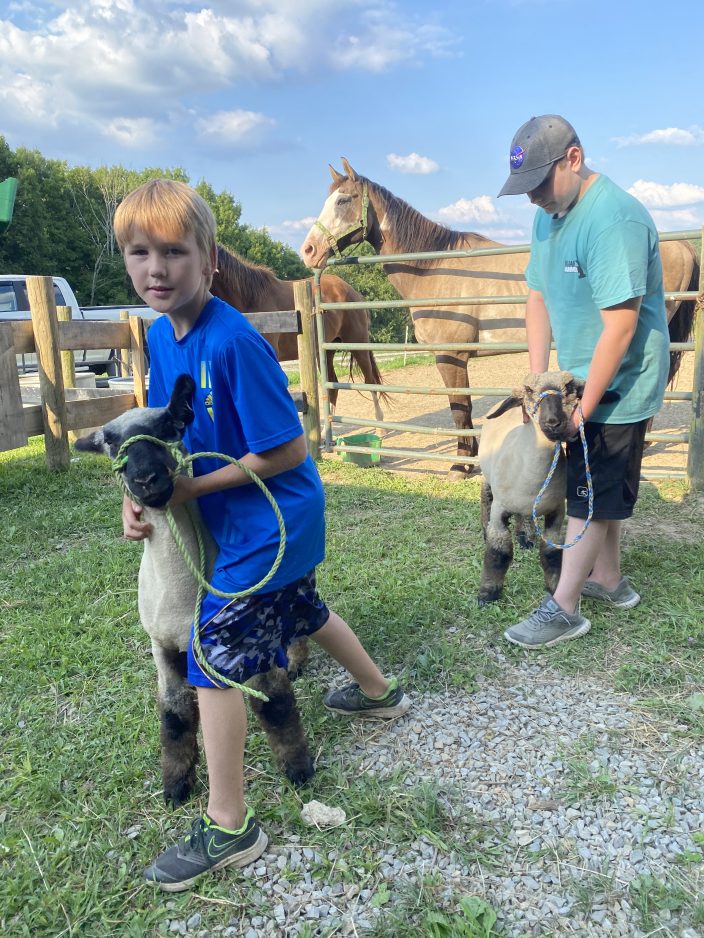
C.R. Nelson/For the Observer-Reporter
Two 4-H buddies, neighbors John Myers Bowman, left, and Chase Barnabah, have been working together every day this summer to care for their market lambs. In the background are rescue horses.
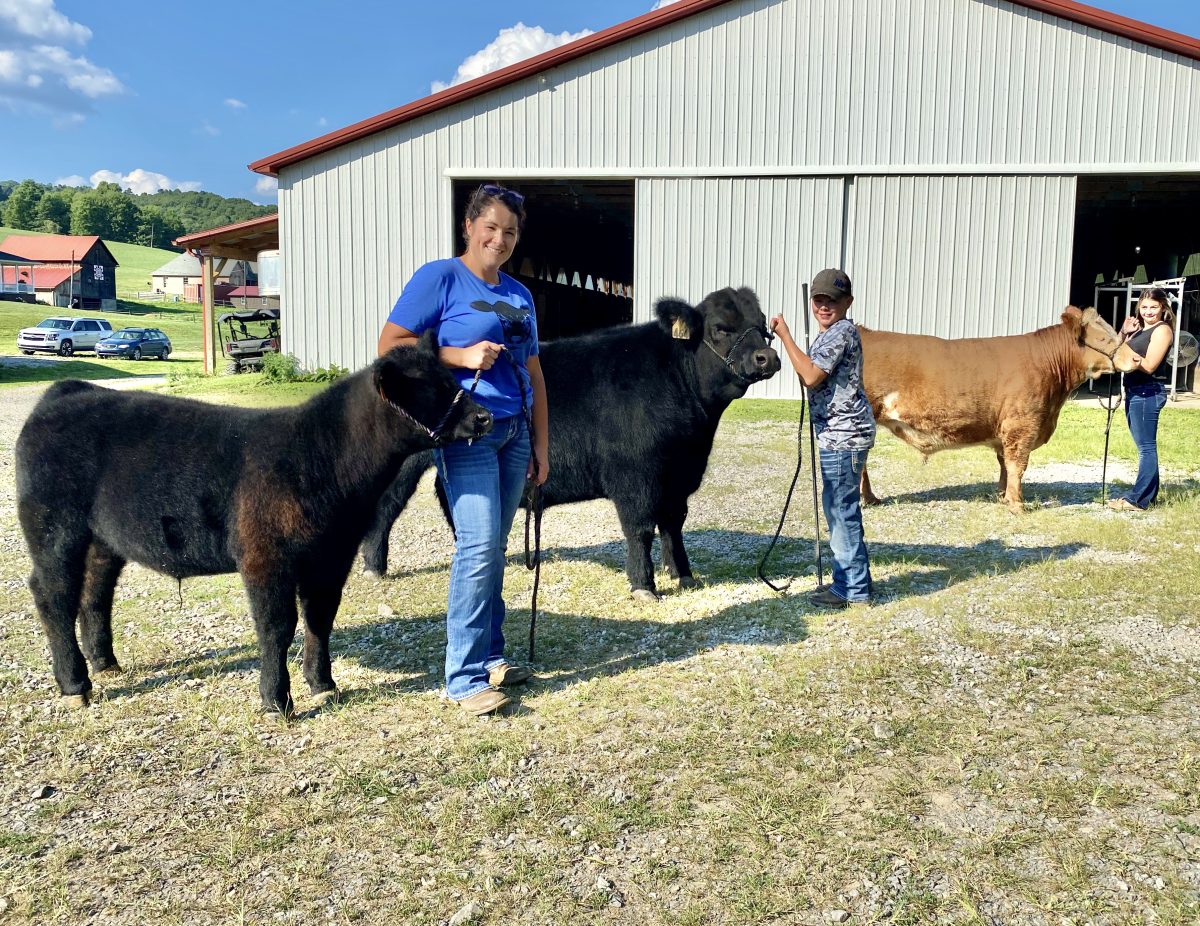
C.R. Nelson/For the Observer-Reporter
Again, two 4-H buddies sharing a barn and another first year member learning from an older member. In the center, Kade Casto and back, Lila Perroots, both with this year’s market steers. Lila would go on to win Grand Champion and Champion Heavyweight. The calf in front is Kade’s project animal for next year.
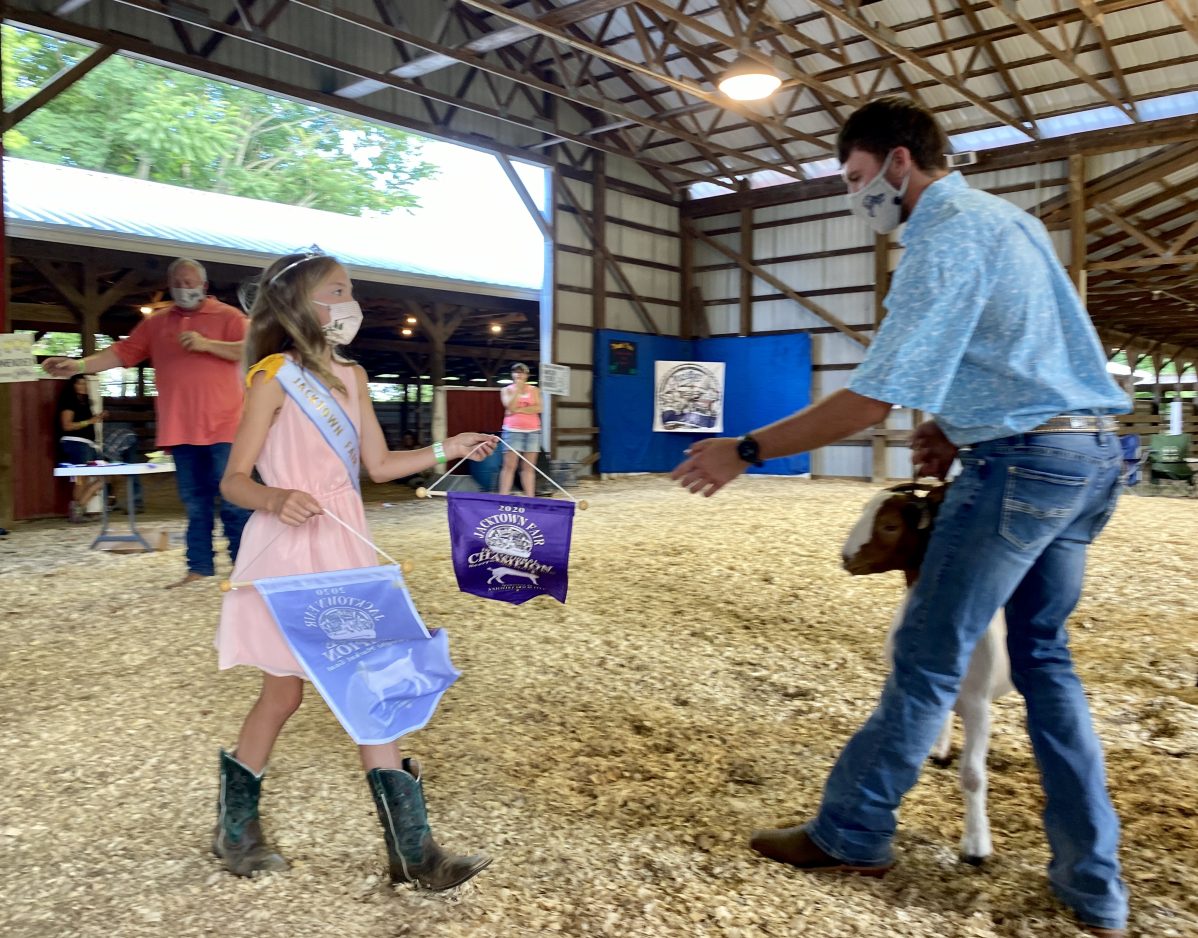
C.R. Nelson/For the Observer-Reporter
Senior Tristan Cole of Waynesburg, right, accepts the Grand Champion Market Goat banner handed to him by Jacktown Fair princess Madison Burns. Judge Todd Minor, rear, describes what he saw in the winning goat.
C.R. Nelson/For the Observer-Reporter
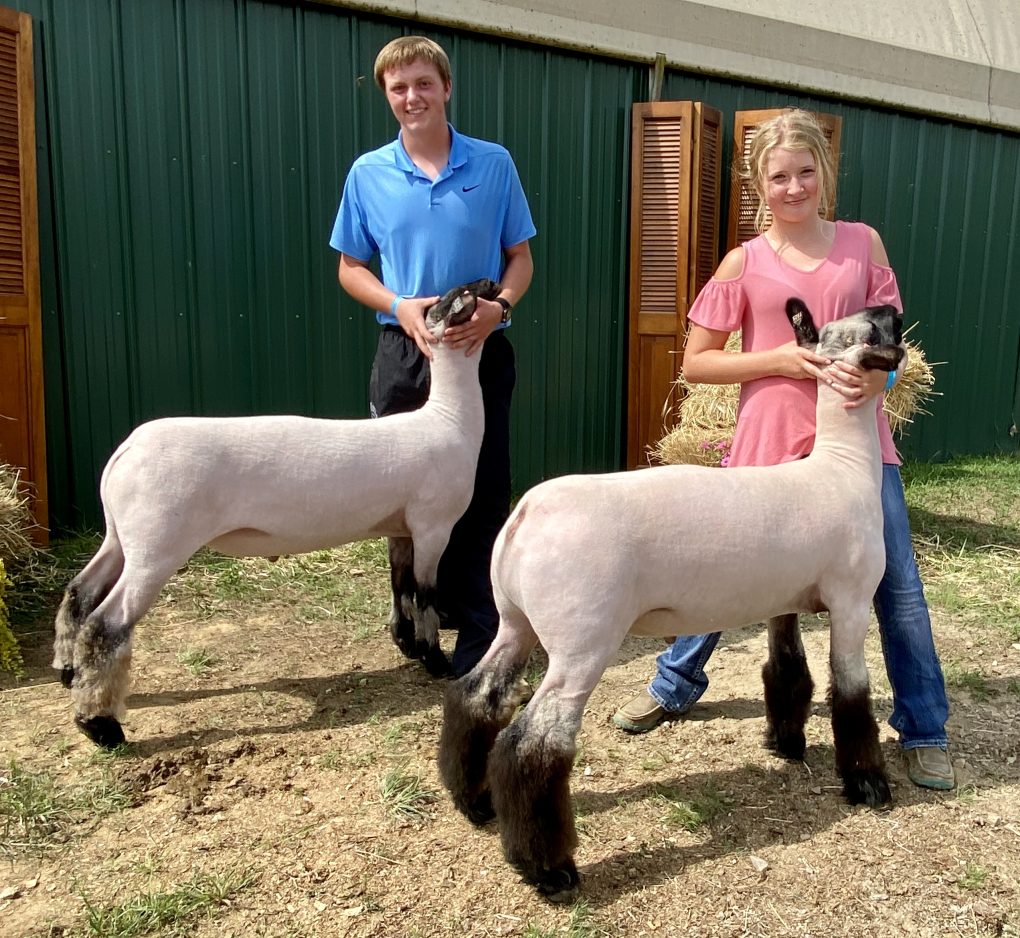
Market lamb winners strike a pose. At left, Grand Champion Allie Midla and Reserve Grand Champion Kolby Smith.
C.R. Nelson/For the Observer-Reporter
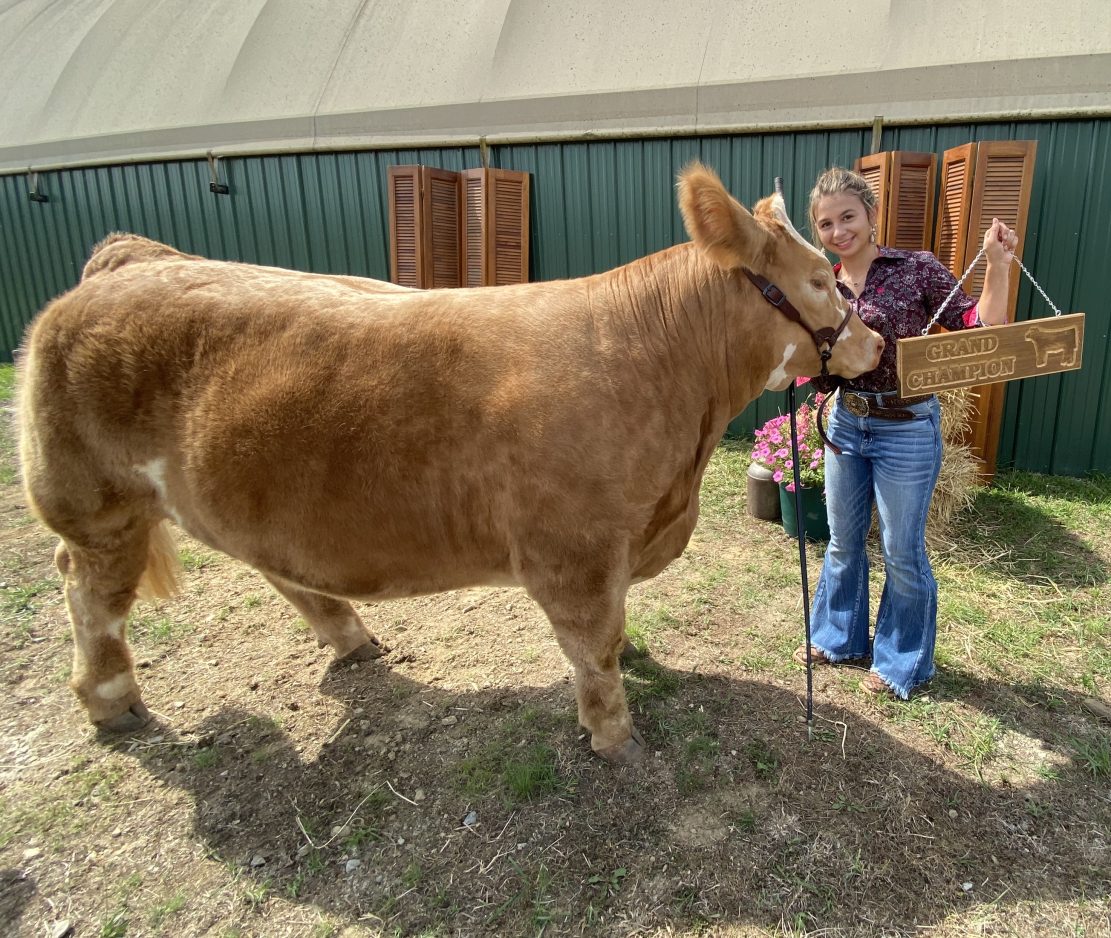
Lila Perroots, Grand Champion Market Steer
C.R. Nelson/For the Observer-Reporter
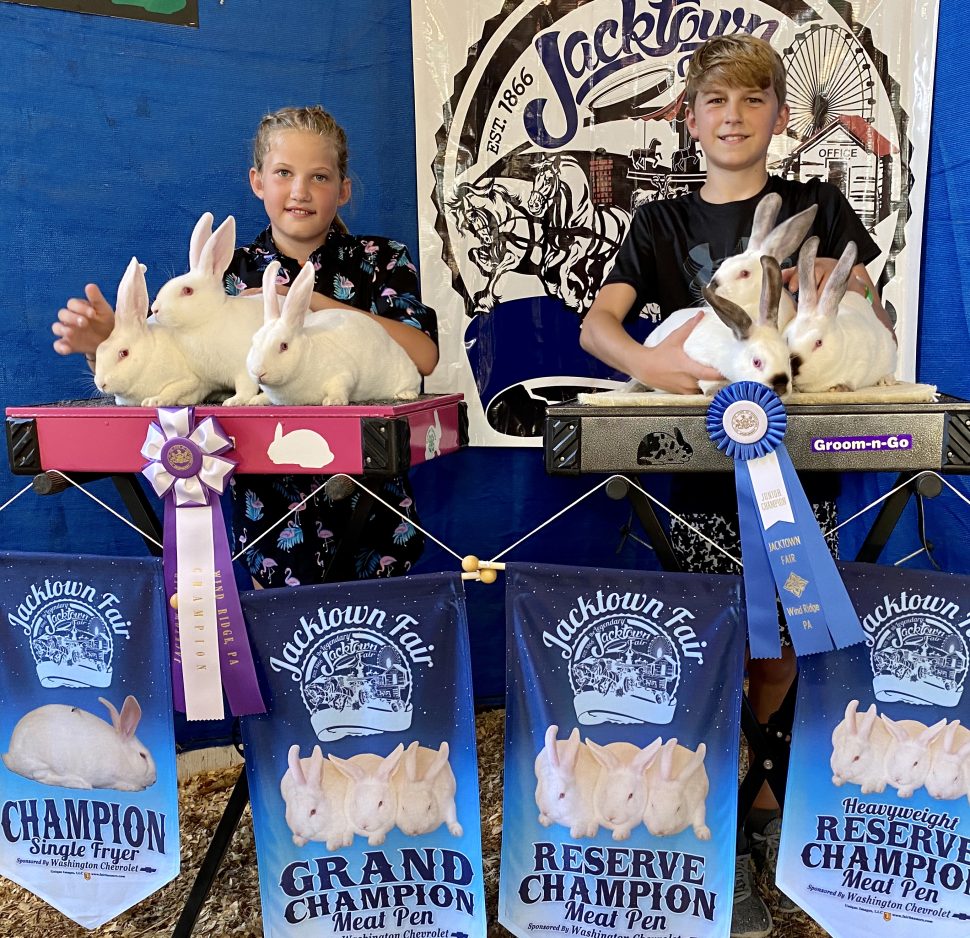
Rabbit winners are pictured at the Jacktown Fair: Grand Champion Allison Pecjak, left, and Reserve Grand Champion Deakin Whipkey.
By C.R. Nelson
Country kids can survive – and thrive – even during a pandemic.
The late afternoon light was picture perfect as I drove down Teagarden Lane in Richhill Township. I’d come to see for myself how raising a market lamb for the fair is done. The lane took me to what was once the Teagarden homestead circa 1846. The original log cabin survives – remodeled over the decades it is now home to Chase Barnabah, 14, and his family. The lane ends in the yard of the new house that Bill and Tammy Bowman built on the high ground overlooking Bailey Mine. Suspended between this panorama of past meeting present hangs the kind of world that any kid would love at first sight – rescue horses grazing in the paddock by the road beside the new barn where two 4-H market lambs have been hanging out since early April. When COVID-19 sent students home to do all their schoolwork online, 4-Hers did all that and more – they hit their computers in between trips to the barn to do hands-on learning with their lambs, goats, rabbits, horses, pigs and steers. When this part of the region went code green in June, 4-H kids were allowed to show their stuff at the Jacktown Fair on July 17 and the Greene County Fairgrounds on August 12, with auction sales afterward – the payoff for a season of lessons learned.
First-year 4-Her John Myers Bowman, now 10, went to the Greene County Fair last year, watched his neighbor Chase show his lamb and decided he wanted to do it too. I’m introduced to Chester and Poplar, shorn, frisky and almost ready for the ring. John and Chase square them up and give me a preview of how they will stand for the judges on August 12.
“I started with a pig then switched to lambs. They’re easier,” Chase tells me. Now he’s showing John the ropes of the market lamb world, how much to feed, how much hay to give, “just bigger than a softball, you don’t want them to bloat,” how much exercise is needed to build the muscle judges expect. John hands me the paper label on the feed sack from High Noon Feed: “Show Lamb Extreme.” Chester and Poplar weighed 40 pounds in April and will weigh in at 122 pounds by showtime.
For a first-year 4-Her, the best lesson is “responsibility,” John’s aunt Tammy tells me with a happy smile as the boys and their lambs trot up the lane for that muscle-building workout that ends every meal.
“We’ve always run cattle.”
Arena Lane is just on the other side of the West Virginia Line near Mt. Morris and ends in the middle of the Casto farm. 4-Hers can cross state and county lines to join a club but must limit their participation to one county or state. The Castos have “always run cattle,” and the modern steel barn that was once used as a stable had an indoor arena for rodeos. Now, it’s where first-year 4-Her Kade Casto, 10, and Lila Perroots, aging out at 19 and a sophomore at West Virginia University, keep each other company as they feed, exercise, bathe, brush and blow-dry Harry and Lloyd, two massive, sleepy-eyed market steers. In another stall, Kade’s market steer for next year is in waiting. He was born on the farm in February – is freshly weaned and weighs about 425 pounds. Last fall, eight-month-old Lloyd weighed 750 pounds at the club’s official weigh-in. By the time he gets to the Greene County Fairgrounds, he will be 1,408 pounds and ready to wow the judge.
Lila and Kade give me their daily diet for a prizewinner – corn for the marbling, 16 to 17-pound helpings of feed and two flakes of hay on the side.
Unlike lambs, raising market steers is a year-long project, Aaron Casto tells me over the hum of the big barn fan, and the swoosh of the hose as Lila’s mom Rose helps bathe Harry while Kade secures Lloyd in the stanchion for a final blow dry. It is also, I can tell, a happy family affair.
Showtime
Jacktown Fair kept its bragging rights as arguably the longest continually running fair in the United States by hosting the 4-H market rabbit and market goat show and sale on July 17, poster and baking contests and vacation bible school the next day and outdoor services and a catered church social with music by Heart and Soul for the community on Sunday. The high-ceilinged arena gave plenty of elbow room to masked-up kids showing rabbits in the morning and goats of many colors judged by Todd Minor of Fayette County in the afternoon. I got there as blue-jeaned contenders hit the ring, squared up their goats for Todd, and listened as he described each entry’s attributes and, if chosen, trotted to the middle of the ring for ribbons and rounds of applause from proud families. Senior Tristan Cole of Waynesburg ended his 4-H career with a bang when he accepted the Grand Champion Market Goat banner handed to him by Jacktown Fair princess Madison Burns.
Although the Greene County Fair was canceled for 2020, the fairgrounds came alive for the 4-H market lamb and market steer show and sale. Families put up colorful canopies and clustered around their trailers as lambs. Then, steers were placed in classes according to weight and judged.
When the many classes and divisions of the market steer competition were judged and awarded, and each first-place winner was brought back into the ring to compete for best of the best, Lila Perroots and Harry, blow-dried to massive perfection, took the top prize.
Allie Midla, 13, of Beth Center, took Grand Champion market lamb and Central Greene senior Kolby Smith of Ruff Creek took Grand Reserve with his Hampshire Suffolk cross – “Hampshire for size, Suffolk for looks,” Kolby tells me when I ask.
As he and Allie square up for a photo op, the halters come off, and the camaraderie and trust between the lambs and their kids built over those months of hanging out in the barn become evident as the classic ring pose is struck.
Allie took Master Showman at age 11, competing against 4-Hers from eight to eighteen at the Greene County Fair, mom Jennifer tells me, beaming.
“Anyone can buy a lamb. But to win showmanship it takes the hard work and dedication that the child – and the family – puts into the project.”