

Make your dishwasher, drain work better
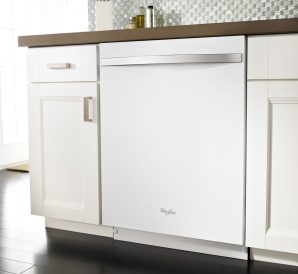
Your dishwasher, sink drain and garbage disposal do the major dirty work in your kitchen, and you can keep them smelling fresh and running efficiently with a few easy steps.
If there are spots or stuck-on grime on the dishes when they come out of the washer, or if the sink has an unpleasant odor even after you clean it and run the disposal, it means these hard-working appliances may need extra attention.
“Dishwashers and drains battle kitchen waste and activity daily, which can take a toll on the appearance and performance if not cleaned correctly,” said Chris Salatino with Kenmore Major Appliances.
Electric dishwashers have a filtration system that requires regular cleaning, especially if you don’t scrape or pre-rinse dishes.
“The maintenance on a dishwasher depends on how you treat it,” says John DeSilvia, host of DIY Network’s “Rescue My Renovation.”
If you’re not a pre-rinser, he recommends cleaning the filter once a month. Just look at the bottom of your dishwasher, find and remove your filter, then scrub away debris with a soft brush. Rinse and reinstall.
“Don’t be scared; it’s really easy,” says DeSilvia.
The interior of your dishwasher may also appear filmy at times. To get rid of that buildup, Salatino advises waiting until the washer has finished a cycle and cooled. Then make a paste with powdered detergent or use liquid detergent on a damp sponge to wipe away mineral deposits. Follow up by running a normal cycle.
If you’re in a hard water area and wiping with detergent doesn’t remove all the film, run a normal cycle with 2 cups of white vinegar in an upright glass on the lower rack. Salatino advises turning off the “heated dry” option during the cycle.
There also are commercial cleaners marketed especially for mineral buildup in dishwashers.
Phosphates, which help control water hardness, were eliminated from dishwater detergents a few years ago over pollution concerns. Since then, some consumers have complained that dishes don’t seem as clean.
Lucinda Ottusch, with Whirlpool’s Institute of Kitchen Science, says one mistake people make is buying cheap detergent. She says the all-in-one packets by name-brand companies really do help your dishwasher perform best.
She also recommends a rinse aid, which promotes drying by allowing the water to sheet off dishes.
Loading your dishwasher properly also can aid cleaning.
And, you don’t have to wait until the dishwasher is full to run a cycle. Ottusch says many newer models sense the size of a load and how dirty the dishes are, and work accordingly.
If you’ve got a smelly drain, there’s probably bacteria growing in it.
To eliminate the problem, start by mixing a cup of baking soda and a cup of vinegar. Pour the mixture down the drain, let it sit for 15 minutes or more, then run the disposal and rinse with hot water.
To clean disposal blades, freeze white vinegar in ice cube trays and let the disposal grind away at them. The ice will help dislodge stuck-on debris, and the vinegar freshens the unit.
If there’s still an odor, try pouring in half a cup of bleach, but not if you have a septic system. You may need to go buy a live enzyme product that eats away bacteria, or a corrosive cleaner meant to unclog drains.
If your sink’s drain plug has moldy buildup, soak it in a vinegar or bleach solution, then wipe away any remaining grime. If mold builds up again quickly, replace the plug.
The crunching and gnashing of your disposal may make you leery of touching it, but there are ways you can keep it running well without calling a professional.
DeSilvia says to always run cold water before, during and after using the disposal.
“Never use hot water with your garbage disposal,” he says. “It breaks down food, causing it to liquify and accumulate around your pipes.”
It’s best to scrape large pieces of food into the trash can, then let the disposal take care of smaller scraps. Don’t put potato peels, shellfish, coffee grounds or other fibrous foods into the disposal. They’re clog-makers.