

Three rare species born at Good Zoo
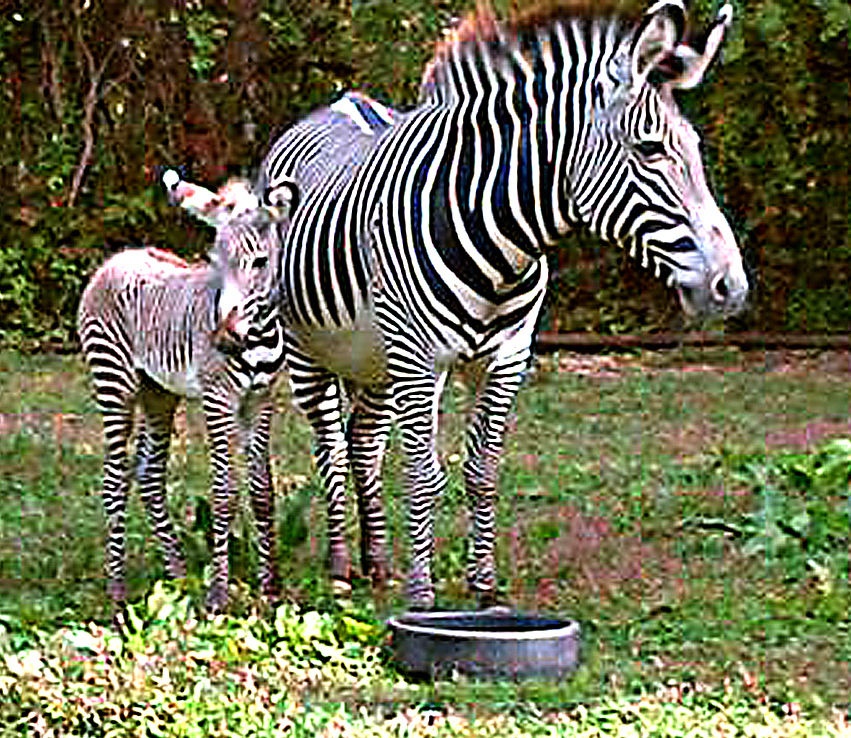
A Grevy’s zebra was born at the Good Zoo in late September. Grevy zebra populations are threatened by habitat loss, drought, climate change and diseases and parasites transmitted by domestic livestock.
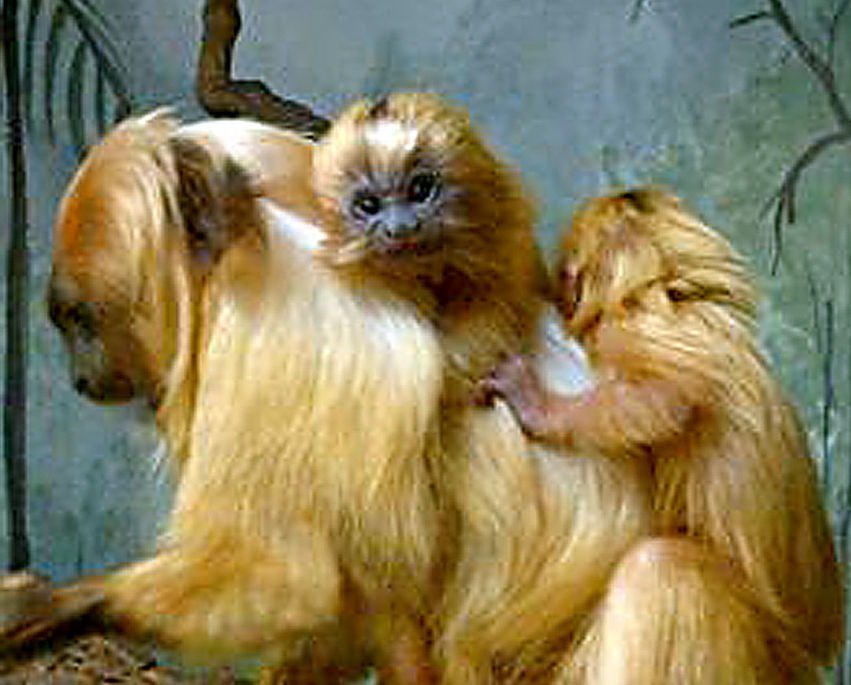
Twin golden lion tamarin monkeys born at the Good Zoo at Oglebay in September hold on to their father’s back. Golden lion tamarins from South America are classified as extremely endangered since it is estimated that only 1,500 remain in the wild.
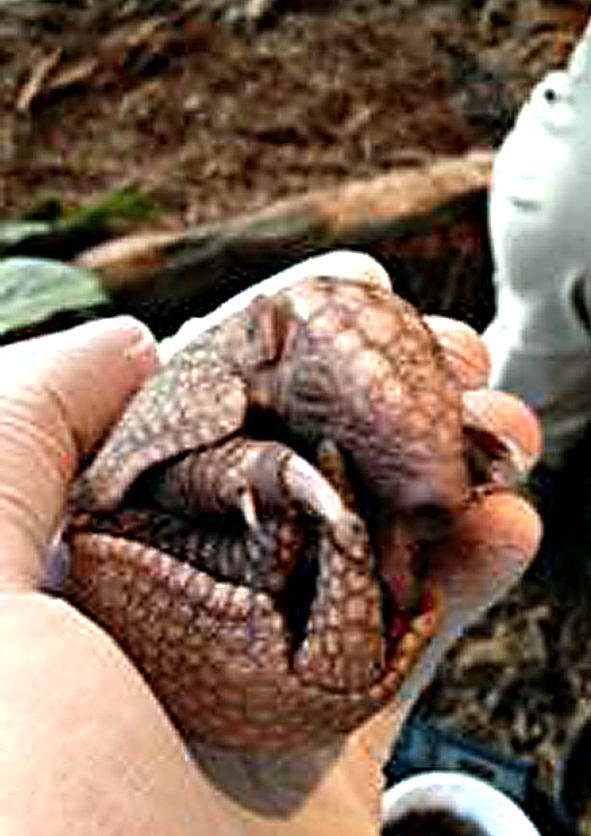
A three-banded armadillo was born at the Good Zoo at Oglebay in September.
The Good Zoo at Oglebay in West Virginia recently welcomed several significant births, including twin golden lion tamarin monkeys, a first at the Good Zoo.
“The twins were born on Sept. 4, and both the mother and father demonstrated excellent parenting skills, carrying the babies on their backs,” said Mindi White, manager of animal husbandry. “These are first-time parents, but mom Carmen had participated in rearing babies in a tamarin group at another zoo, and they learn maternal skills through that observation.”
Golden lion tamarins are endangered primates from South America. The Good Zoo tamarins are part of a cooperative global breeding program among zoos across the United States.
“The wild population in Brazil has been severely impacted by deforestation, with less than 5 percent of suitable habitat remaining,” said Penny Miller, zoo director. “Golden lion tamarins are classified as extremely endangered; scientists estimate a wild population of only 1,500 tamarins left in the wild.”
Tamarins born in U.S. zoos have successfully been released in the wild for restocking efforts.
On Sept. 29, zoo staff discovered a newborn Grevy’s zebra. The foal was up, following the mother, Samburu, and appears to be doing well. “Samburu had a foal here last year, too, and she is a great mom,” White said.
Grevy’s zebra populations have plummeted in Kenya and Somalia; less than 2,000 remain. Zebra populations are threatened by habitat loss, drought, climate change and diseases and parasites transmitted by domestic livestock.
A three-banded armadillo was born Sept. 16, and is currently not on display. This is the mother’s second offspring. Her baby from last year is a popular ambassador in the zoo’s education department. Three-banded armadillo is found in Brazil. It was recently chosen as the 2014 World Cup mascot, as the Brazilian government seeks to educate youth that this poorly known species is threatened with extinction. It was even believed to be extinct in the wild until it was rediscovered in 1988 in a handful of locations.
“The zoo staff has worked hard with zoo colleagues around the country to develop the optimum conditions to breed these three rare species at the Good Zoo,” Miller said.
For more information, call the Good Zoo office at 304-243-4100.