

The big coverup Rolling out the latest in window coverings
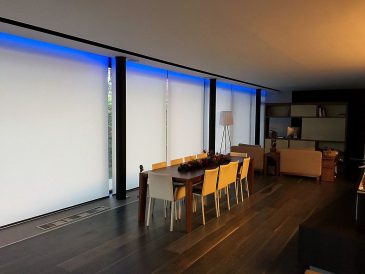
Architecture has done a decided flip over the past few decades. Residential and commercial building envelopes are less bricks and mortar and more panels of glass. Wall-to-wall windows have become the norm in our living spaces, and while it is wonderful to let in the light, there are negative aspects to living in the open. Rooms become too hot or too cold, energy bills soar, and there is the privacy issue. The entertainment value of living in a fish bowl, or being an unsuspecting spectator, can be amusing at times, but some stranger waving from the street or the opposite balcony wears as thin as a sheet of glass. What to do?
Hanging curtains or drapes is the traditional solution for window covering. Medium to heavyweight fabrics create a barrier that helps to block the transfer of heat and cold from the outside. The variety of materials and patterns in fabrics is limitless, and hanging styles from simple panels to swags and Roman blinds offer decorative treatments to complement formal, casual and funky lifestyles. Shutters are a popular option for kitchens and bathrooms. Plantation shutters suit the clean lines of contemporary settings as well as country designs. But shutters don’t work on a large expanse of glass, and draperies present a challenge with so much space to cover.
Manufacturers of shades or blinds have delved into the situation, looking for ways to improve the look and practicality of their products, and they offer an exemplary solution to homeowners with too much glass on their hands. Enrico Nardone, partner at EN3 SunProtection, notes that roller blinds have become very popular, especially with contemporary design. They have clean lines and are both simple and elegant. But that is only a small part of the story. “In order to prevent our clients from exposure to toxic compounds and particles,” says Nardone, “we always recommend to install only PVC-free, recyclable eco sunscreen fabrics, made from 100 percent PES polyester yarn; the latest evolution in green fabric production, free of pollutants, allergens and halogens.”
A variety of fabric textures and transparencies, including metalized backed fabric, allow you to choose the degree of light transmission and thermal performance. Colors dramatically affect the amount of light that transmits through a fabric. White has a high transmission value, while black is very low … good for a blackout effect. The sleek look of the shades can be enhanced by installing a row of colored LEDs, as shown here in blue. Utilize LEDs to create a mood that is easily switched on and off.
Inspired by new and progressive developments in Europe, Nardone was instrumental in an industry-wide shift to integrated green and economical solutions. This includes exterior shades, a product that is slowly appearing in North America. Like an awning, but far more efficient, exterior shades can provide up to 97 percent reduction in heat gain, and also allow light to enter the building.
Whether installed inside or out, shades are easy to handle – remote control motorized options are available that can be hooked up to home automation systems. Check out the environmentally friendly window treatments. Consider the cost of the product now, but also costs saved over time once installed, also consider the design element and add-ons that suit your lifestyle. www.en3sunprotection.com is a good place to start.
Email your questions to house2home@debbietravis.com.