

High-tech devices can help people achieve fitness goals
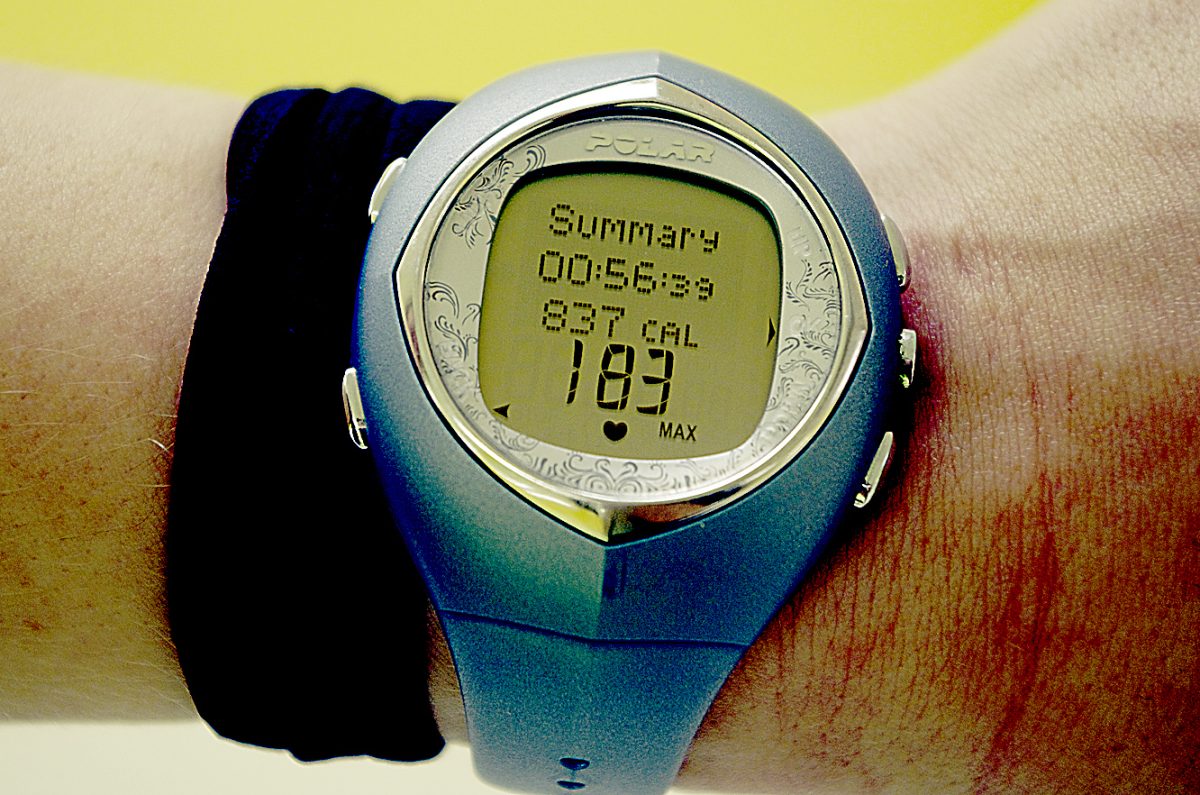
Kate Speer, owner of Studio Fit, wears her heart-rate monitor when she exercises. Speer likes the tangible results the monitor tracks, including her calories burned. More people are wearing technology devices to help track their workout and exercise results.
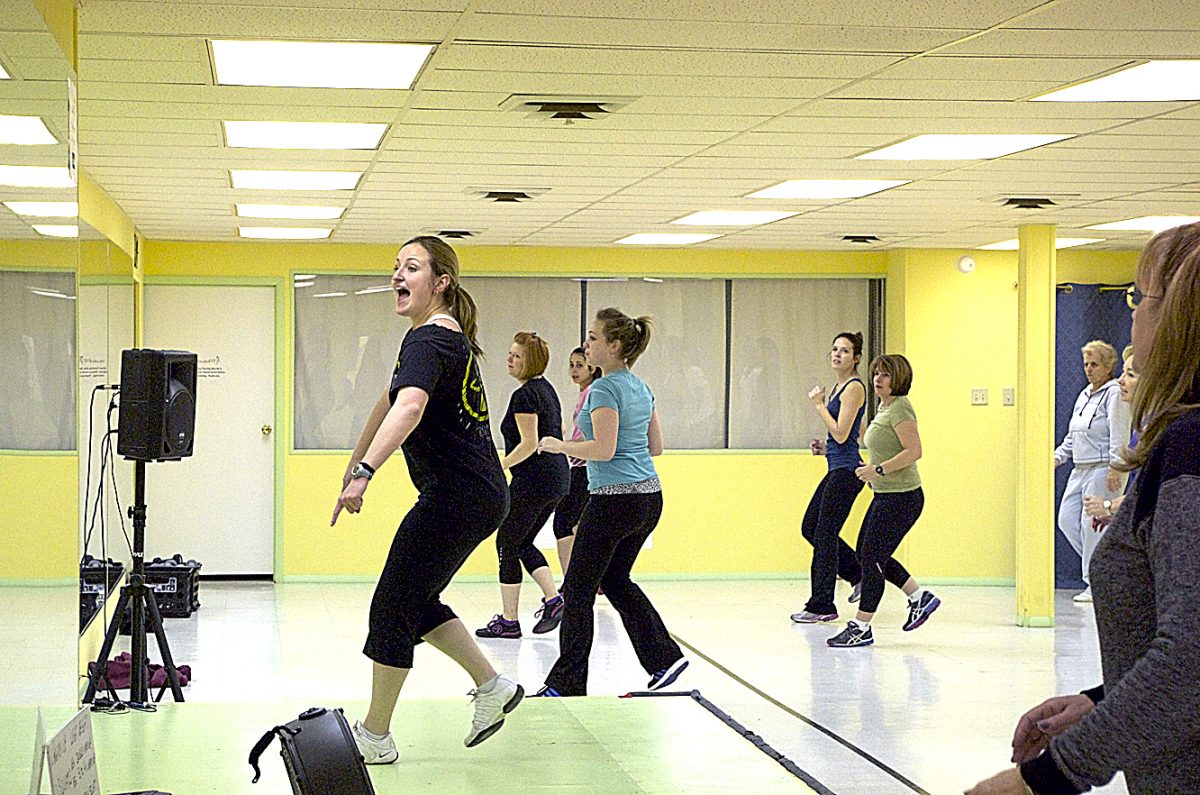
Heart rate monitors are one type of fitness device that can help the user track his or her effort level and progress.

Morgan Muhly, left of St Clairsville, Ohio exercises by walking with her niece, Kate Marido, 15 of Bentleyville at Washington Park with their FitBits attached.
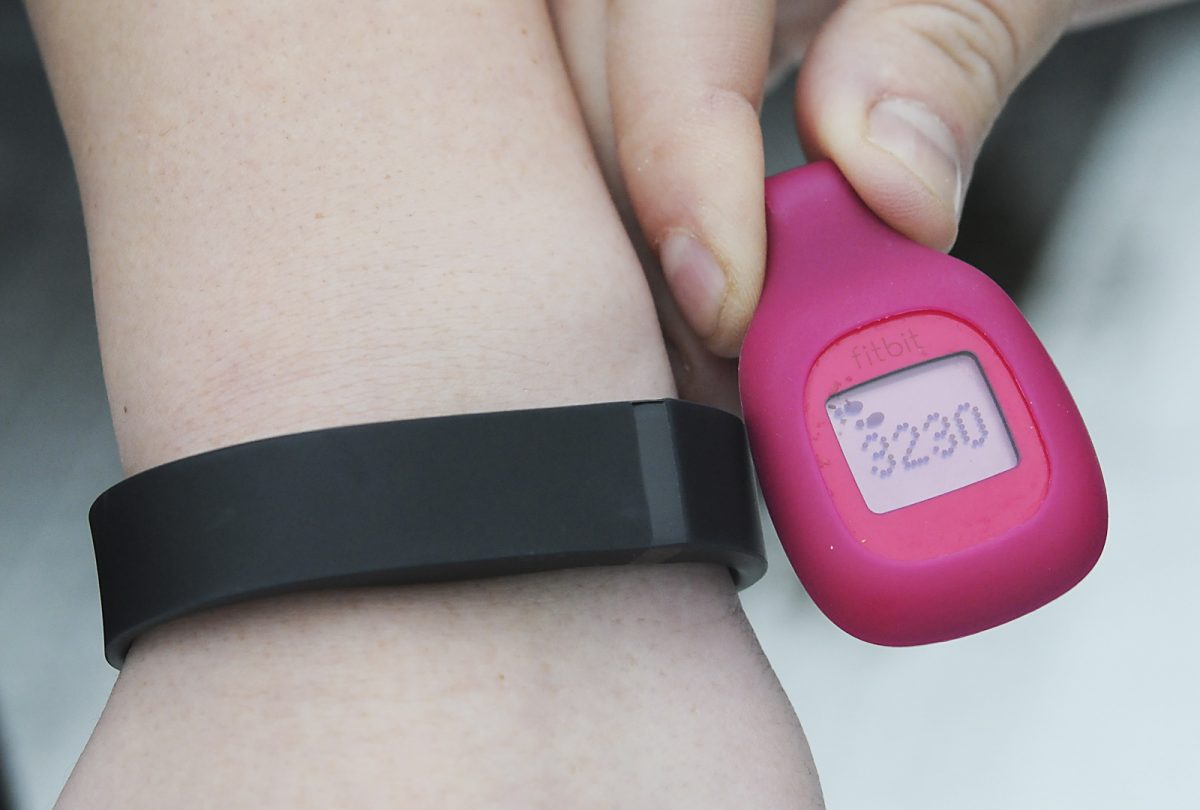
Closeup of two different styles of FitBits being worn my Morgan Muhly and Kate Marodi.
Americans are monitoring their fitness like never before, thanks to fitness tracking technology that logs every footstep and exercise milestone.
The popularity of wearable devices has taken off over the past few years, led by gadgets like the Fitbit and Nike Fuel Band, and apps that work in conjunction with smartphones and computers.
The high-tech bracelets, bands and clips can be valuable for people trying to lose a few pounds, or for athletes working to achieve top fitness. They collect all sorts of data to help people set goals and monitor their progress.
Fitbit, for example, tracks the number of steps a person takes and compares his or her seven-day average with friends’ results on a leaderboard.
According to Fitbit, the average user takes 43 percent more steps per day. People who add more than 10 friends on fitness app MyFitnessPal and let them have access to their calorie counts lose an average of four times as much weight as users not connected with friends, says the company.
There’s certainly a market for fitness technology. According to a study conducted by researchers at the University of Tennessee, the average adult takes 5,117 steps a day. That’s little more than half of the 10,000 daily steps recommended by the U.S. surgeon general.
Morgan Ross Muhly, 32, of St. Clairsville, Ohio, formerly of Bentleyville, credits her Fitbit Zip with her recent weight loss and increased motivation for exercising.
The stay-at-home mom of four children picked up a Fitbit last June after a friend of hers told her how much it helped her become accountable for her daily fitness.
Since then, she’s lost 15 pounds and started running. Muhly and her sister-in-law are now training for the 2014 Pittsburgh Marathon’s half-marathon.
“It amazed me. The goal is 10,000 steps a day, which seems like it’s easy to reach, but unless you do something extra, you’re not going to reach that 10,000 steps,” said Muhly, whose Fitbit is linked to MyFitnessPal. “It makes you change your normal habits in order to get in extra steps, so instead of going on an elevator, you take the stairs. Or when you go to the store, you park farther away so you have to walk more, or you do an extra 10 minutes on the treadmill. I’m becoming obsessive with it.”
Kate Speer, owner of Studio Fit in Houston, has worn a heart rate monitor for years, and believes keeping track of calories burned and her workout pace helps her to be more successful. And, Speer said, the social features of fitness devices are great motivational tools.
Many of the ladies who take classes at Speer’s exercise studio (she offers Zumba, hip hop cardio, yoga and BodyPump, and other classes) use technology devices – Fitbits are the most popular – during their workouts.
“I’ve been using mine since 2008 and it helps me keep on track. It’s so nice to look down and see that I burned 800 calories. You get tangible results and that’s rewarding,” said Speer. “I’m a big believer in the benefits of the social part of exercising, too. Anything that you do in a group is good because groups offer support and accountability.”
Two of Washington County’s top cross country runners, Jonathan Weese and Ethan Linderman of Canon-McMillan, train using Nike GPS watches, which track their mileage, pace and time spent running. The high school juniors upload the data to their computers in order to evaluate their progress and prepare workouts. Weese’s watch syncs automatically with his iPhone 5S, so if he doesn’t wear his watch he can still track his workout on his phone.
“It’s definitely an advantage,” said Weese, who won the 2013 Washington County Coaches Cross Country Meet. “I also like the GPS feature, which shows our route and what roads we ran on.”
Demand for wearable devices for tracking personal fitness levels continues to grow, and Pete Valentino, a fitness trainer at 84 Fitness, thinks that’s a good thing as long as it motivates someone to improve their physical fitness.
He mentioned a woman in his running group who ran 150 yards farther than the rest of the group on a recent run so that she could hit the four-mile mark.
“If it makes you push a little harder, if it helps you keep going, that’s fantastic,” said Valentino. “Whatever keeps you moving. I’m in favor of anything that motivates someone striving toward their goal and that keeps people healthy.”
Spurring the growth are people like Muhly, who convinced her husband, sister and nieces to purchase Fitbits.
“I really enjoy the social aspect of the Fitbit. It’s motivational. If you’re competing with people, you look at your friends’ results and say, ‘Wow, they got 6,000 more steps than I did’ and you want to work harder. It makes you more active,” said Muhly, who lost her first Fitbit (and was depressed about it), but soon got a replacement, which has survived a trip through the washing machine. “It makes me a little competitive. I beat my husband every day. And I like that.”