

Lyme disease on the rise
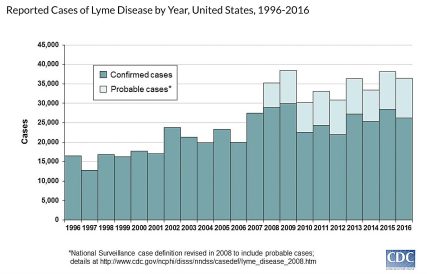
Locally, we have seen a steady increase in Lyme disease in the last several years. In 2016, there were 26,000 cases of Lyme diagnosed nationally; nearly one-third of those cases were diagnosed in Pennsylvania alone.
Lyme disease is caused by the bacterium Borrelia burgdoferi. It is transmitted through the bite of an infected deer tick. The symptoms of Lyme disease can include fever, headache, joint pain, muscle aches, fatigue and a characteristic rash. This rash, called Erythema migrans, has a bullseye-like appearance.
The diagnosis of Lyme disease can be made based on symptoms and exam findings in association with possible tick exposure. The fact that the symptoms of the disease are non-specific, some patients do not develop a rash, and many people cannot recall a tick bite, make diagnosing Lyme disease a challenge. A blood test to detect Lyme antibodies can be used to help confirm the diagnosis, but it takes several weeks before the antibodies can be detected.

Dr. Kathleen Latouf
When diagnosed in its early stages, Lyme disease is treatable with a few weeks of antibiotics. But, left untreated, Lyme disease can lead to chronic arthritis, cardiac and nervous system problems.
The best prevention for Lyme disease is to wear DEET-containing insect repellent and long-sleeved pants and shirts when outdoors. Showering shortly after outdoor exposures can be helpful in reducing the transmission of tick-borne diseases. This is also a good opportunity to check your skin for any signs of a tick bite.
If you are bitten by a tick, there is no need to panic. It can take as many as 36 hours for the transmission of Lyme disease to occur. While you may be tempted to remove the tick on your own, it is recommended that you see a physician so that it can be properly removed. In the emergency department, we often see patients who have been bitten by a tick or are concerned they may have been exposed to Lyme disease. Our physicians can determine if antibiotics are indicated, based on the type of tick and how long it has been attached.
Lyme disease, unfortunately, remains a persistent threat in this part of the country, particularly throughout the summer months. But if you take the proper steps to guard against it – and know what to do when you think you may have been bitten by a tick – you’ll still be able to make the most of your summer and enjoy everything that goes with it, while limiting your chances of being exposed to Lyme disease or suffering from its affects.
Dr. Kathleen Latouf is a board certified emergency physician. She serves as the medical director of the Canonsburg Hospital Emergency Department.