

Wineries play big role in local, state economies
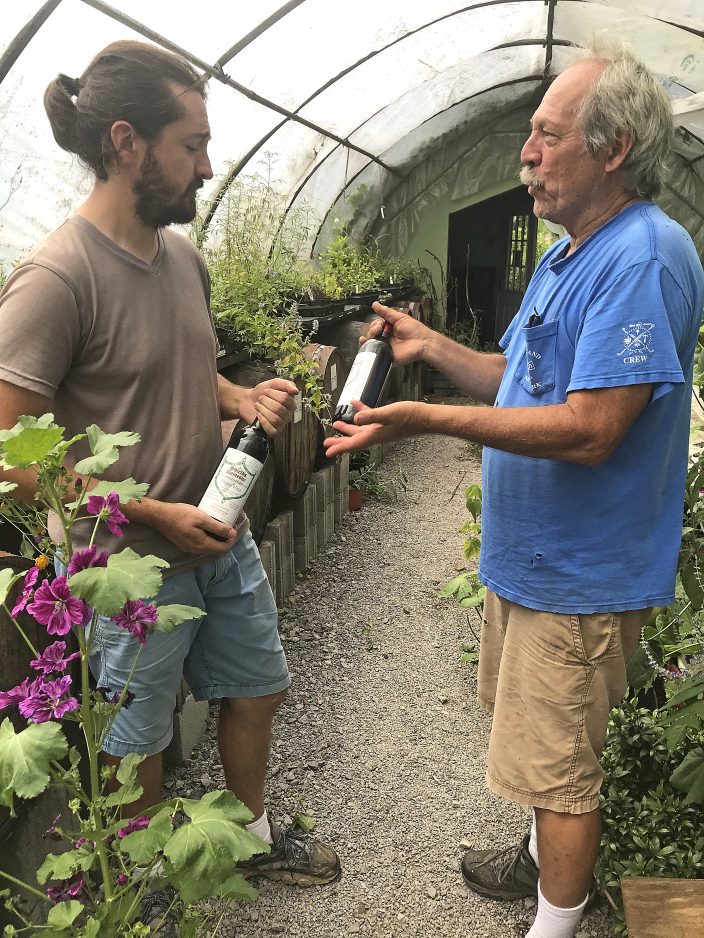
Alex and Leigh Shields
Alex Shields with his dad, Leigh Shields, in the family’s Spraggs greenhouse in this file photo. In addition to the greenhouse, the family has the Shields Demesne Winery.
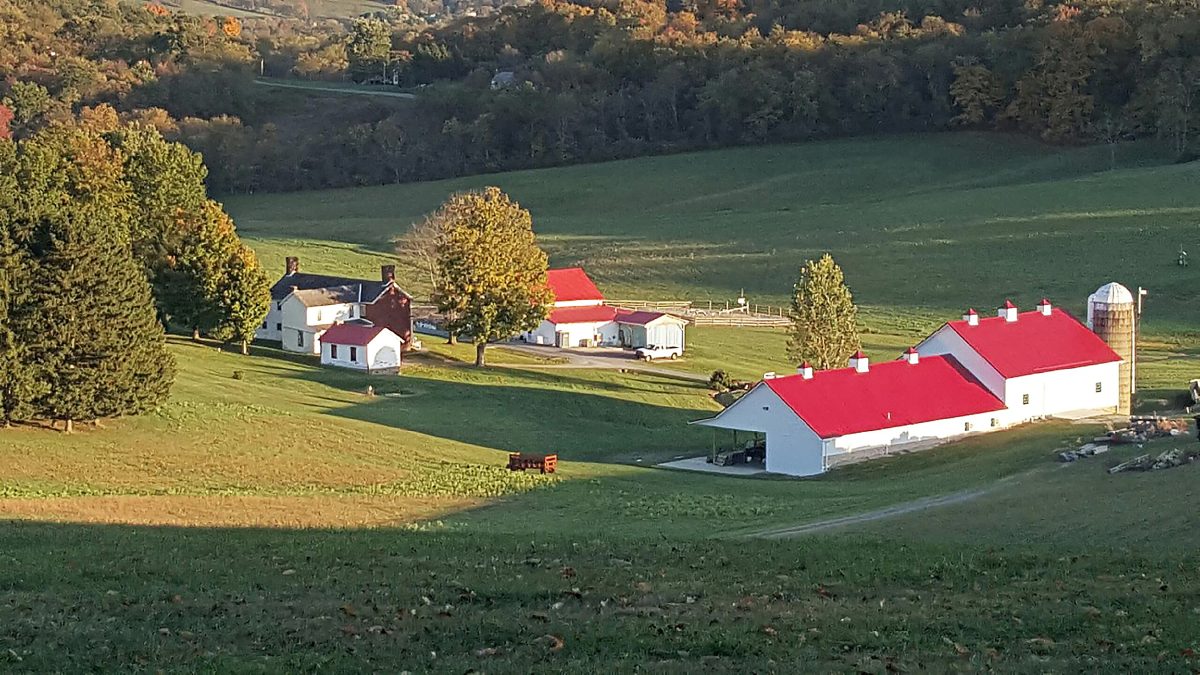
The 208-acre farm in Jefferson has been in the Thistlethwaite family since 1892.
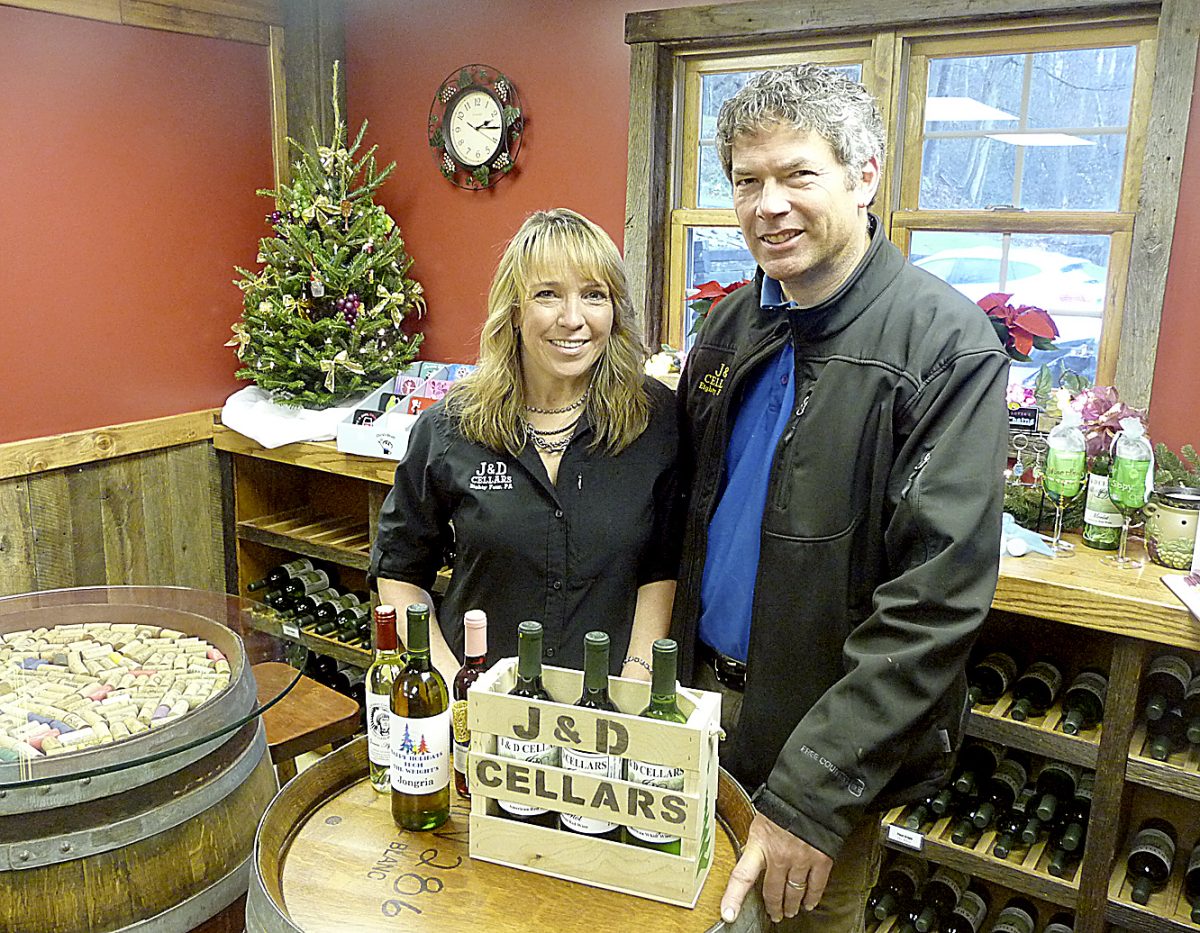
Mike Jones/Observer- Reporter
John Husk and Dot Harvison stand in J&D Cellars in Eighty Four in this 2013 file photo.
Across the state, Pennsylvania has over 270 wineries that contribute more than $4.98 billion to the state’s economy, the Pennsylvania Winery Association states. Ranked seventh in the nation for the number of wineries, Pennsylvania is also ranked fifth on the list for grape production.
To improve the state’s wine industry even more, the Pennsylvania Wine Marketing and Research Program Board is seeking applicants for grants to conduct promotion, marketing and research projects to increase the quality, profitability, production and sale of wines; enhance the wine industry and benefit wine producers across the state, a press release from the Pennsylvania Dept. of Agriculture states.
“Pennsylvania is a diverse state geographically and culturally, which makes it an ideal place to pursue new ways to grow and market our agricultural products,” Russell Redding, the Pennsylvania secretary of agriculture, said in the press release. “Thanks to our legislature and Gov. Wolf, as well as our partners at the Liquor Control Board, those in Pennsylvania’s wine industry can explore new ways to make our wines even more competitive on the national stage.”
According to Shannon Powers, press secretary for the Pennsylvania Department of Agriculture, the state has awarded wine research grants like since 2002 when the Wine Marketing and Research Board was created. To fund the program, grant money is generated by an assessment on wine production.
The total pool of grant money available for this rounds of grants is $1 million. The grant proposals must be submitted by Jan. 18.
Winery owners voted 96 percent in favor of creating the board in a 2001 referendum, Powers said.
The Pennsylvania Wine Marketing and Research Program Board, made up of experts in the wine industry, review and score the applications and make recommendations to the Pennsylvania Liquor Control Board, which awards the grants to the creators of most promising proposals.
“In the past, grants have gone to entomology research to find biological controls for insects that damage grapes and vines and reduce production,” Powers said.
“At the moment, one major concern is the spotted lantern fly, an invasive species that has the potential to damage $18 billion in the state’s agricultural products including grapes. Some of the proposals recommended for approval by the Pennsylvania Wine Marketing and Research Program Board include a survey for grapevine Leafroll viruses and analysis of invasive insect pests in the Lake Erie Region to characterize abundance and seasonal emergence patterns,” Powers said.
Greene County has two wineries: Shields Demesne in Spraggs and Thistlethwaite Vineyards in Jefferson.
Thistlethwaite is a member of the Southwest Passage Trail, which includes seven other wineries in Greene, Fayette, Washington Westmoreland, Somerset and Cambria counties. The wineries include Christian W. Klay Winery in Chalk Hill, J&D Cellars in Eighty Four, Repepi Winery in Monongahela, Greenhouse Winery in Irwin, Greendance – The Winery at Sand Hill in Mt. Pleasant, Glades Pike Winery in Somerset and B&L Cellars in Johnstown.
“Besides the importance of wineries that inject money into the local economy through sales, they also contribute to tourism,” Powers said. “In addition to having tastings, they also stage concerts and events, and some are part of very popular wine trails that connect wineries within a region.”
In regards to Greene County wineries and their impact on the local economy, Thistlethwaite owner, Rick Thistlethwaite said that anything that attracts people to an area helps stimulate the economy.
“If we had a dozen or so more wineries in Greene County it would certainly help everyone including us,” he said.
Doneen Rhodes, the winery’s events coordinator, is also a member of the Greene County Tourist Promotion Agency. Keeping track of visitation numbers, she said the winery gets more visitors from out of the county than it gets in-county residents.
In Spraggs, Shields Demesne encounters a similar visitation pattern.
“Most of our winery visitors are from out of Greene County with Monongalia County, W.Va. providing the most with others coming in from Washington and Allegheny County,” said Alex Shields, winemaker. “Without a doubt if we had more wineries in the county, we’d see an increase in visitation.”
Located two miles from the West Virginia border, Shields said he’s aware of enterprises similar to his in that state like the Forks of the Cheat Winery in Morgantown. However, Shields said he doesn’t know of any interstate wine trails that coordinate cooperative marketing efforts. He suggests that the formation of an interstate wine trail would benefit all the potential participants.
Greene County Tourist Promotion Agency director Joanne Marshall said her office works with the county’s two wineries.
“Both are partners and are included on our Visitors Guide and website,” she said. “We also advertise their events and include them as entities able to apply for grant money through our bureau. Both wineries generate a tourist draw for their products, especially since they’re produced locally.”
At the moment, the Greene County Tourist Promotion Agency is working with tourism offices in Ohio and West Virginia to coordinate cooperative marketing efforts. Meetings between the participants began in August and the organization now called Upper Ohio Valley Regional Tourism is working on creating a website and social media, all of which could benefit tourist traffic to Greene County and its wineries.
As to the importance of wineries, distilleries and breweries to the county economy Marshall said the more options and varieties of these businesses there are in a particular area the more they contribute to the tourist industry.
To apply for the wine grant, submit complete project proposals and grant applications to Patrick Andrews with the Pennsylvania Department of Agriculture via email at patriandrew@pa.gov by 4 p.m. on Jan. 18.
Additionally, 16 hard copies must be mailed, to be received by Jan. 21. Mail to the Pennsylvania Department of Agriculture, Bureau of Market Development, ATTN: Agricultural Commodity Board Grant Program, 2301 N. Cameron St., Harrisburg, PA 17110-9408.