

Hospitalists serve an important role between patients and specialists
Frances Borsodi Zajac/For the Observer-Reporter
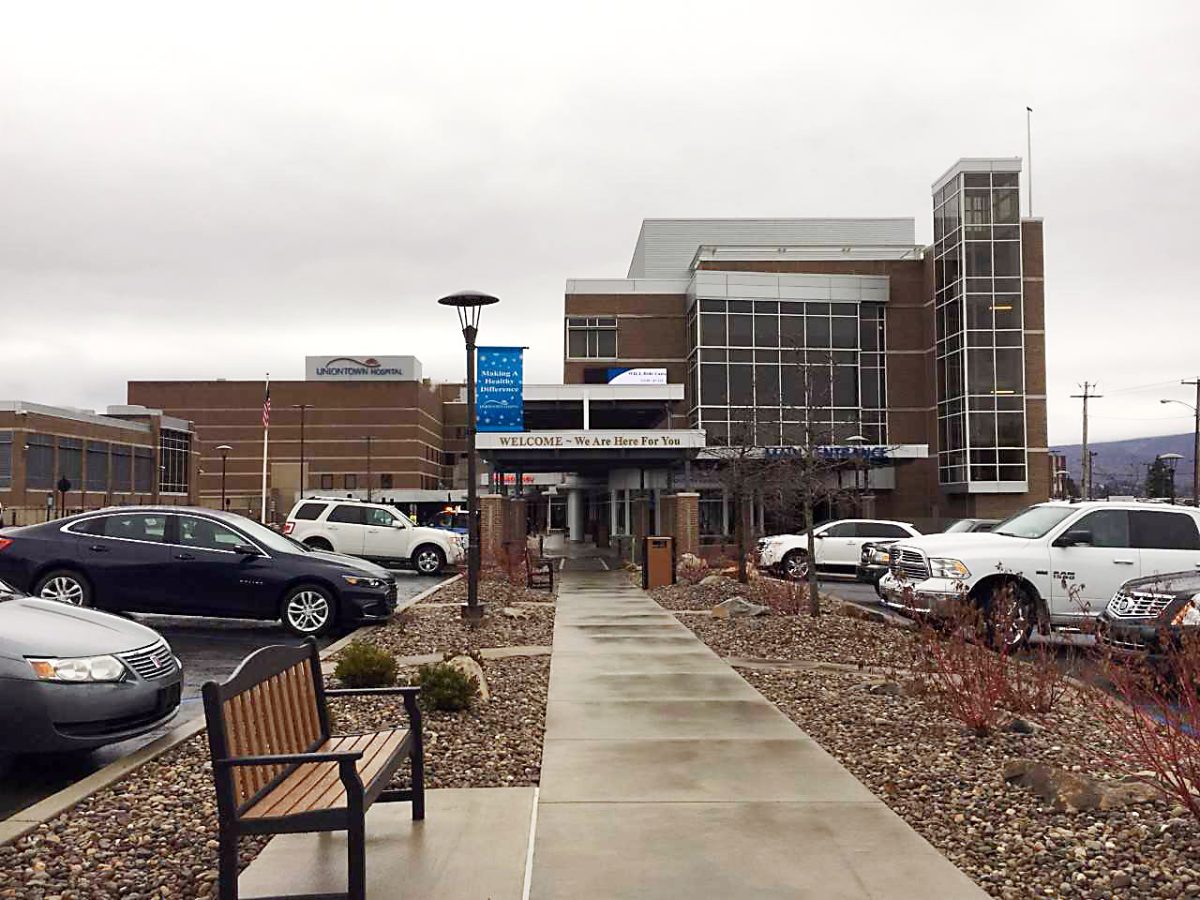
Uniontown Hospital
Mark Soroka/For the Observer-Reporter
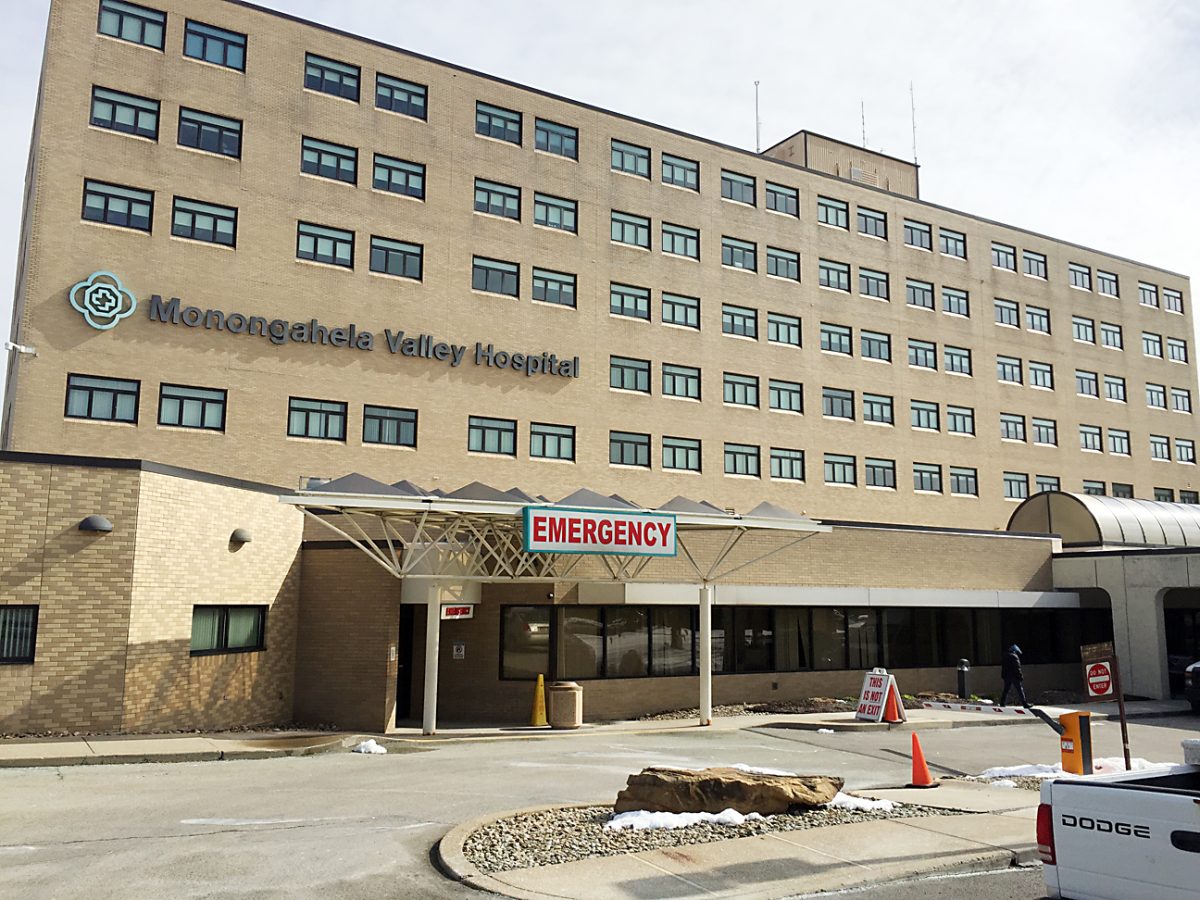
Monongahela Valley Hospital
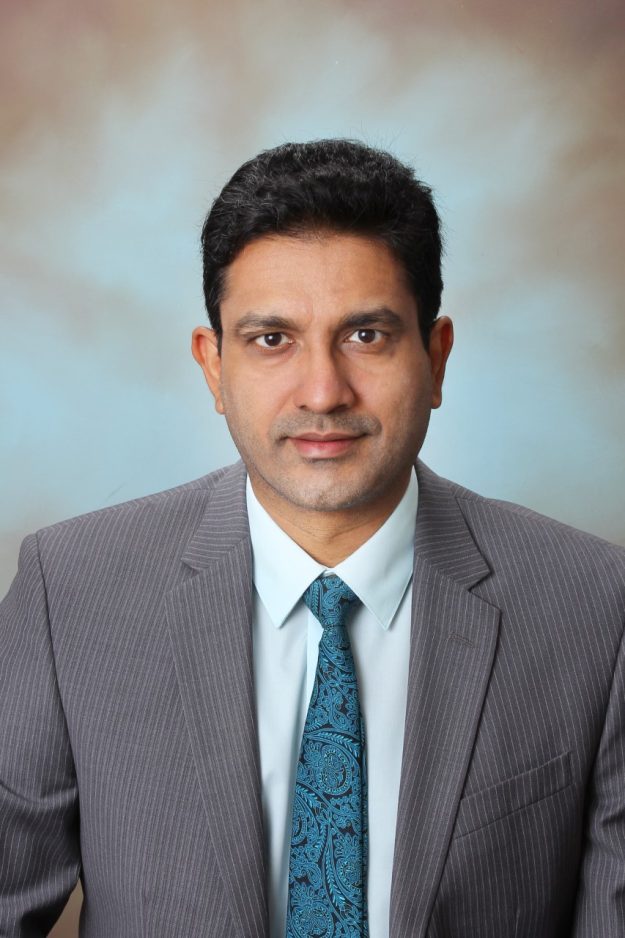
Vadlamudi
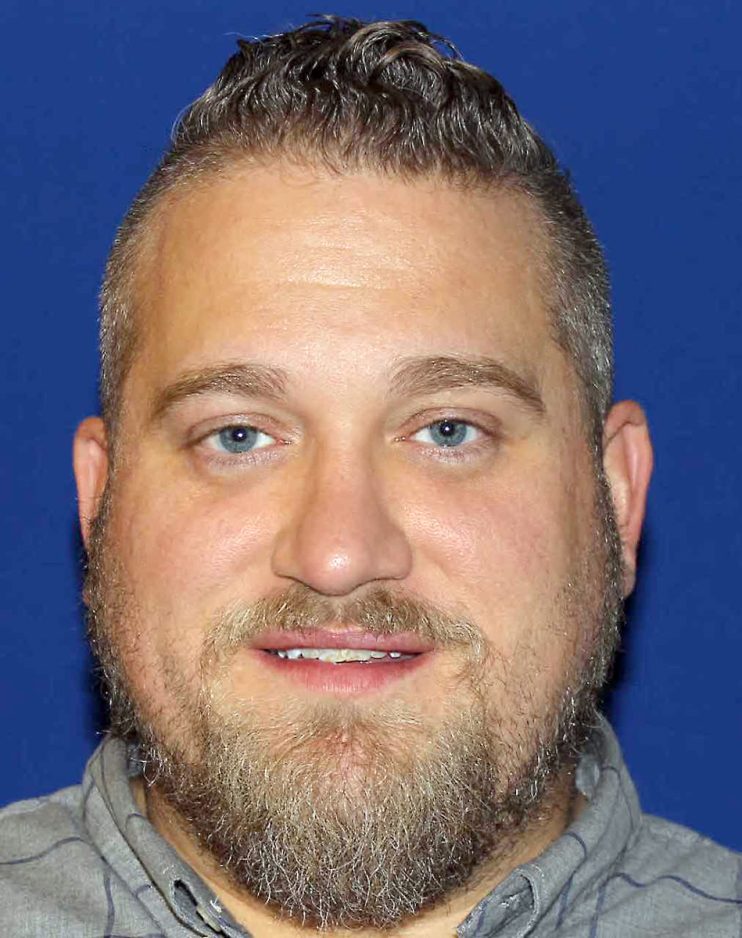
Krysak
Things are constantly changing in health care and one of the things to come from the changes in a hospital setting has been the position of a hospitalist.
The role of a hospitalist is a dedicated internal medicine physician who works exclusively at the hospital, without a private practice outside of the facility where patients are seen.
They manage a patient’s care during their stay in the hospital and work in conjunction with the patient’s primary care physician (PCP) or specialist, who has provided all of the patient’s background and medical history.
“It’s the largest growing specialty in medicine,” Josh Krysak, director of communications for Uniontown Hospital said. “A hospitalist is specially trained to care for their patients in the hospital – they are essentially the primary care physicians inside the hospital.”
Krysak added that the hospitalist works strictly inside the hospital and has no contact with the patient prior to or after leaving the hospital.
“We’ve had them for years, but with our new relationship growing through West Virginia University, they’ve really taken charge of the hospitalist program,” he said.
Monongahela Valley Hospital started their hospitalist program in 2011, according to Andrew Bilinsky, media specialist for the hospital.
“Hospitalists offer clinical experience, knowledge of hospital procedures and increased accessibility to patients which ultimately enhances patient safety,” he said. “They also act as care facilitators by keeping diagnostic tests and rehabilitative procedures moving in order to reduce hospital stays, free up beds and reduce admission wait times for new patients.”
Bilinsky added that another responsibility of a hospitalist is to coordinate all of the inpatients’ care and are the main source of communication to the patients, primary care physicians and sub specialists which ultimately reduces errors by unifying communications.
“They are able to free area physicians from making hospital rounds thus enabling them to spend more uninterrupted time in their offices with outpatients,” he said. “And once the patient leaves the hospital, they resume seeing their regular PCP.”
Krysak added that they’ve found that over time, the role of a hospitalist has improved the efficiency of a hospital stay, it has improved outcomes and it has reduced the length of the stay.
“The first discussions about the possibility of a hospitalist took place around the late 1990s,” he said. “It’s been a slow trend, but now you very rarely see a PCP doing rounds on patients.”
Hospitalist Dr. Gopi Krishna Vadlamudi, who is the medical director of the hospitalist program at Monongahela Valley Hospital, started out training in family medicine at Forbes Regional Hospital in 2009.
“Usually most family physician residents do outpatient medicine, but I was drawn more to acutely sicker patients,” he said.
There was a hospitalist program at Forbes and after the third year of his family medicine residency, Vadlamudi decided to go into the hospitalist program.
He acknowledged that the need for a hospitalist evolved because of all of the new changes in health care.
“Patients admitted now are a lot more sick than they used to be when admitted,” he said. “Patients used to be admitted when there were different tests needed but now those things are being done as outpatient procedures because of the cost.”
Vadlamudi added that responsibilities for primary care physicians and specialists have also increased.
“They now have a lot of things they have to perform in an outpatient setting and the burden of requirements placed on them by CMS (center for medical services) has increased,” he said. “With all of this, they can’t make their rounds frequently enough. It’s not that it’s not doable, but they can get burned out and they might not perform at the same level of intensity that they could without these extra responsibilities.”
At Monongahela Valley Hospital, Vadlamudi said they contract with several different primary care physician offices to provide in-hospital care to their patients, but they also provide care to any patient admitted through the emergency room.
Krysak said communication between a PCP or specialist and the hospitalist is the key to success.
With the requirement for doctors to keep electronic medical records, Vadlamudi said this makes communication easier and records and background on a patient more readily available, but “it could still e better.
“They are required to keep electronic medical records, but there are several different programs out there to choose from,” he added. “I think accessing the records would be easier if they all used the same program.”
Krysak said there are times where patients in the hospital get confused as to why they aren’t seeing their own doctors and Vadlamudi said it really helps the hospitalists if the primary care physicians inform their patients ahead of time that they no longer do hospital rounds.
“But not all of them do, so we make sure to communicate with the patient early who we are and why we are taking care of them,” he said.