

COVID-19 pandemic stress taking toll on mental health
Courtesy of Metro Creative
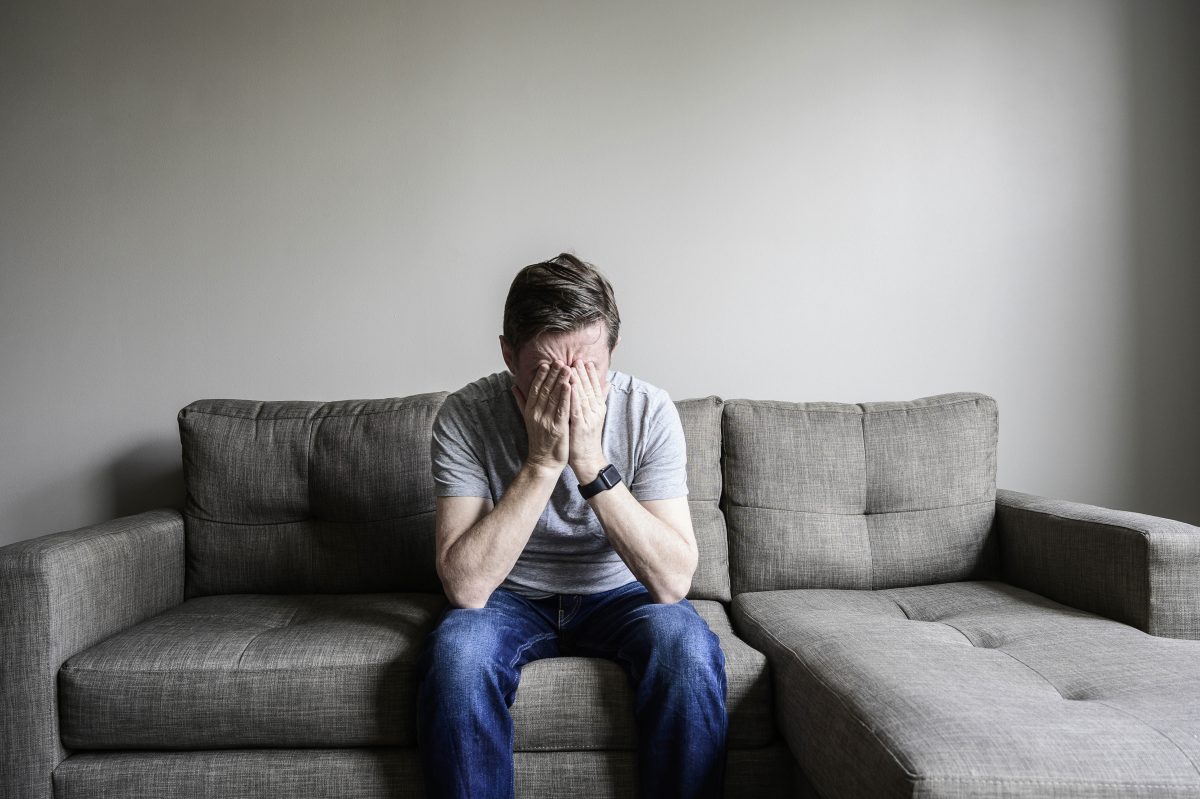
Many people have been dealing with added stress and mental health concerns as a result of the coronavirus pandemic.

Alicia Kaplan
As summer draws closer to its end, many Americans usually start thinking about things like back to school, a final summer family vacation or even simple pleasures like the start of football season.
Not this year.
The COVID-19 pandemic has thrown many lives into chaos and planning something even as simple as going out to eat is uncertain. The physical steps many are taking to stay safe and healthy may help prevent them from contracting the virus, but the mental and emotional toll including stress, fear, anxiety and depression is growing the longer the pandemic continues.
During the shutdown this spring, many people postponed doctor’s appointments and dental cleanings. Fortunately, technology has allowed some physicians and mental health professionals to continue seeing patients virtually.
Dr. Alicia Kaplan, a psychiatrist with Allegheny Health Network, specializes in treatment of anxiety and obsessive-compulsive disorders. She said technology has definitely helped mental health professionals to keep treating people during the pandemic.
“Yes, we are fortunate to see many patients through telemedicine for mental health,” Kaplan said.
Not only has she seen her existing patients, but she is also seeing a rise in the number of new patients looking for help because of stress, anxiety and depression.
“Due to the mental health effects of loss, isolation and trauma as a result of the pandemic, many people are seeking out treatment,” Kaplan said. “This may be for counseling, stress management and/or medication management.”
Fear and worry about health care and the health of loved ones, job status or finances and potential loss of support services can all lead to issues such as changes in sleep or eating patterns, difficulty concentrating, worsening of existing or chronic health problems and even increased used of substances like alcohol and tobacco, Kaplan said.
Uncertainty keeps us guessing
One issue many are experiencing is the constant feeling of uncertainty.
Just when it seems all plans for work or family have been rescheduled and rearranged, the situation can change in an instant because of the constantly updating case numbers and associated adjustments in social distancing restrictions. With events and occasions constantly being canceled, it is almost impossible to find anything to look forward to these days.
This can lead to feelings of loss and even hopelessness.
“Uncertainty leads to a decreased perceived sense of control and then often starts the worry cycle in attempts to cope,” Kaplan said. “In these situations, it is often helpful to focus on what you can do or constructive action whether it is preparing for the school year or engaging support.”
The stress, uncertainty and fear related to the pandemic can be especially difficult for anyone with pre-existing mental health conditions or substance use issues. Mental health disorders such as depression, anxiety or bipolar disorder can affect the way a person thinks and feels and his or her ability to function. Dr.
Kaplan said the pandemic has affected many of her patients.
“Stress can lead to more anxiety or sadness due to the extent of the external stressor,” she said.
With stay-at-home orders leaving many people isolated, the need for information is keeping many glued to television and the internet. Heightened tensions across society linked to racial issues and the upcoming presidential election also have people on edge.
All of this onslaught of information can have drastic impacts the outlook and behavior of many.
“There can be a variety of reasons behind anger,” Kaplan said. “If it stems from anxiety or lack of sleep or interpersonal difficulty, working on these areas can be beneficial. Our society is all impacted by this.”
How we can cope
The response to these extremely stressful times depends on many factors including background and social support from friends and family.
Kaplan said she has some good tips and coping techniques that can be employed for those starting to feel anxious or depressed.
“If you start to feel anxiety or overwhelmed by news about the COVID pandemic – or bad news in general – strategies such as keeping a daily routine with exercise, healthy meals and adequate sleep pattern are important,” Kaplan said. “Limiting exposure to the news and getting reliable information is also key. Relaxation strategies such as abdominal breathing or guided meditations can be beneficial as well as limiting caffeine.”
She also has one tried and true tip that seems simple but can be very effective.
“Talking with a trusted friend or relative and keeping up social connections is important, Kaplan said.
Caring for family and loved ones is important, but everyone should also take care of their own mental health. Keeping in touch of friends and family with phone calls and video chats can help to alleviate stress and anxiety. It’s also important to take breaks from watching, reading or listening to news about the pandemic on television and social media, Kaplan said.
Improving physical and mental fitness is important and doctors say deep breathing exercises, daily physical exercise, a balanced diet and good sleep habits can go a long way in helping many to cope with the mental stress of the pandemic, Kaplan said.