

Western Pa. melting pot: Egyptian national dish debuts at local farmers’ markets
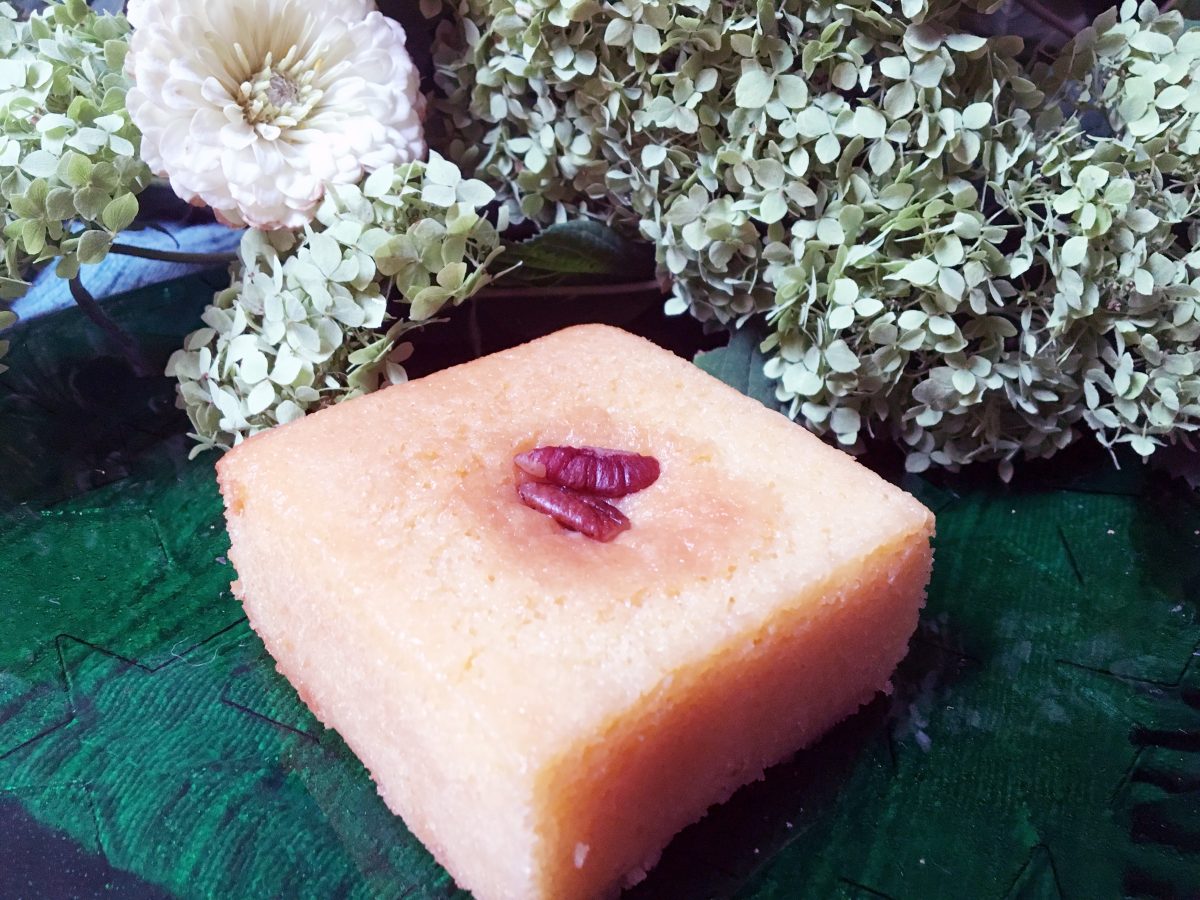
Basbousa is a dense Egyptian cake made of semolina flour flavored with lemon syrup.
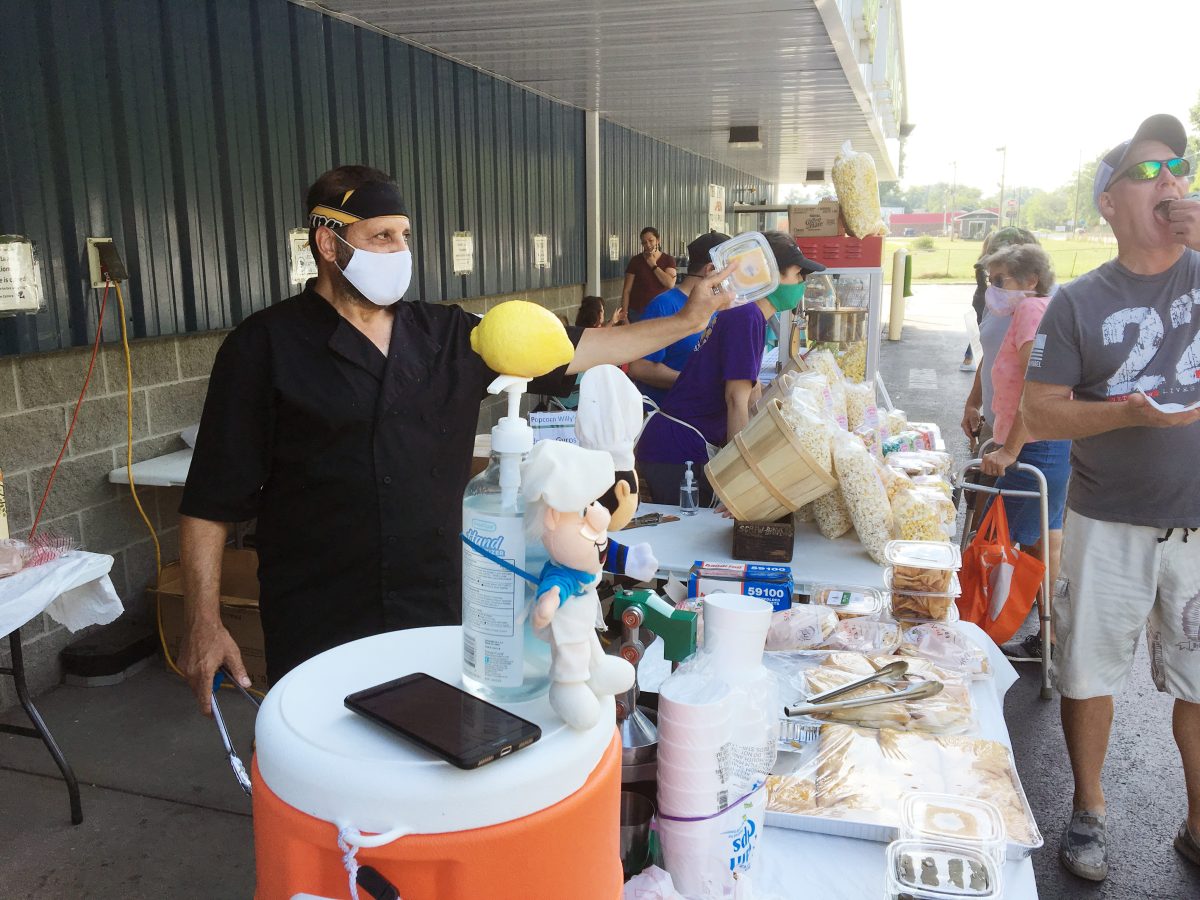
Bill Kronander of Brownsville samples some of Radwan’s cuisine at the Greater Washington County Food Bank farmers’ market.
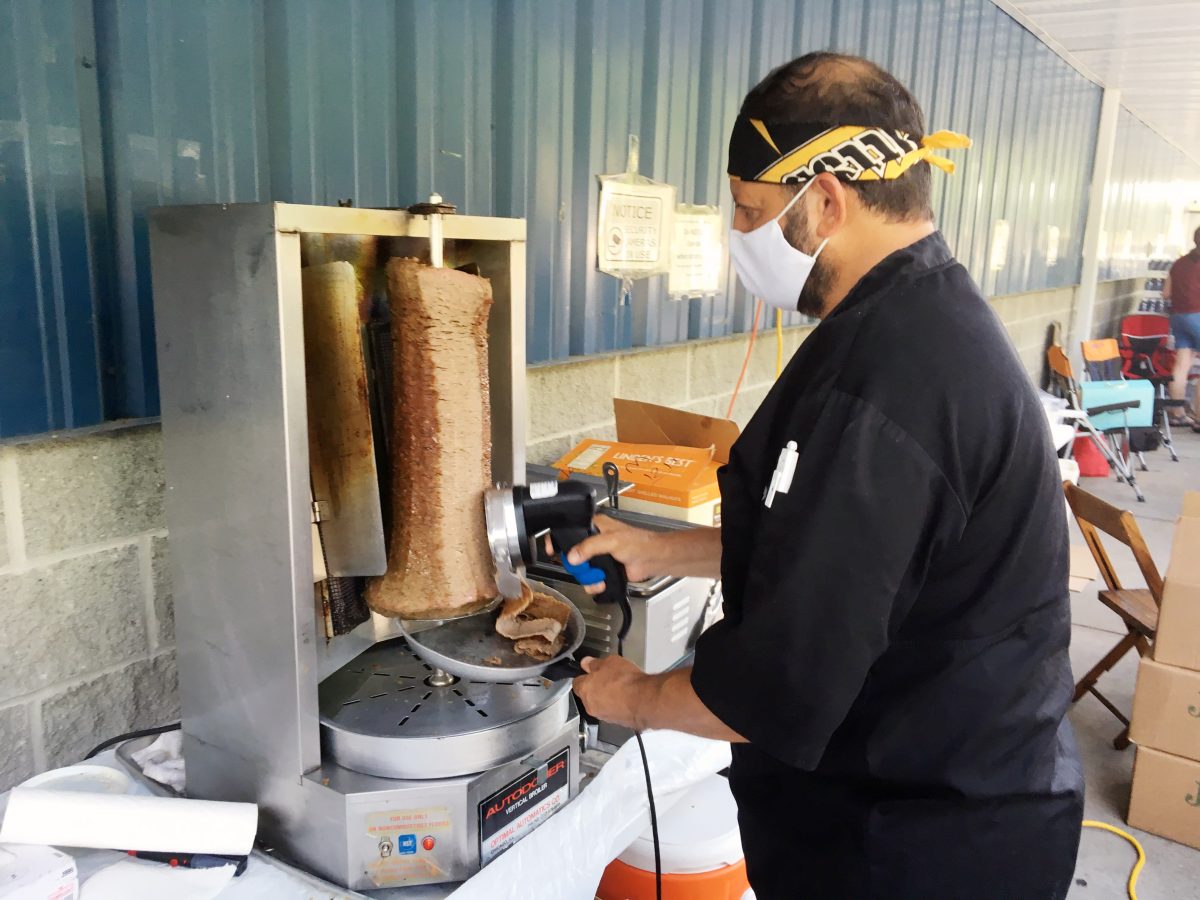
Magdi Radwan shaves slices of lamb for a gyro at the Greater Washington County Food Bank.
Barbara S. Miller/Observer-Reporter
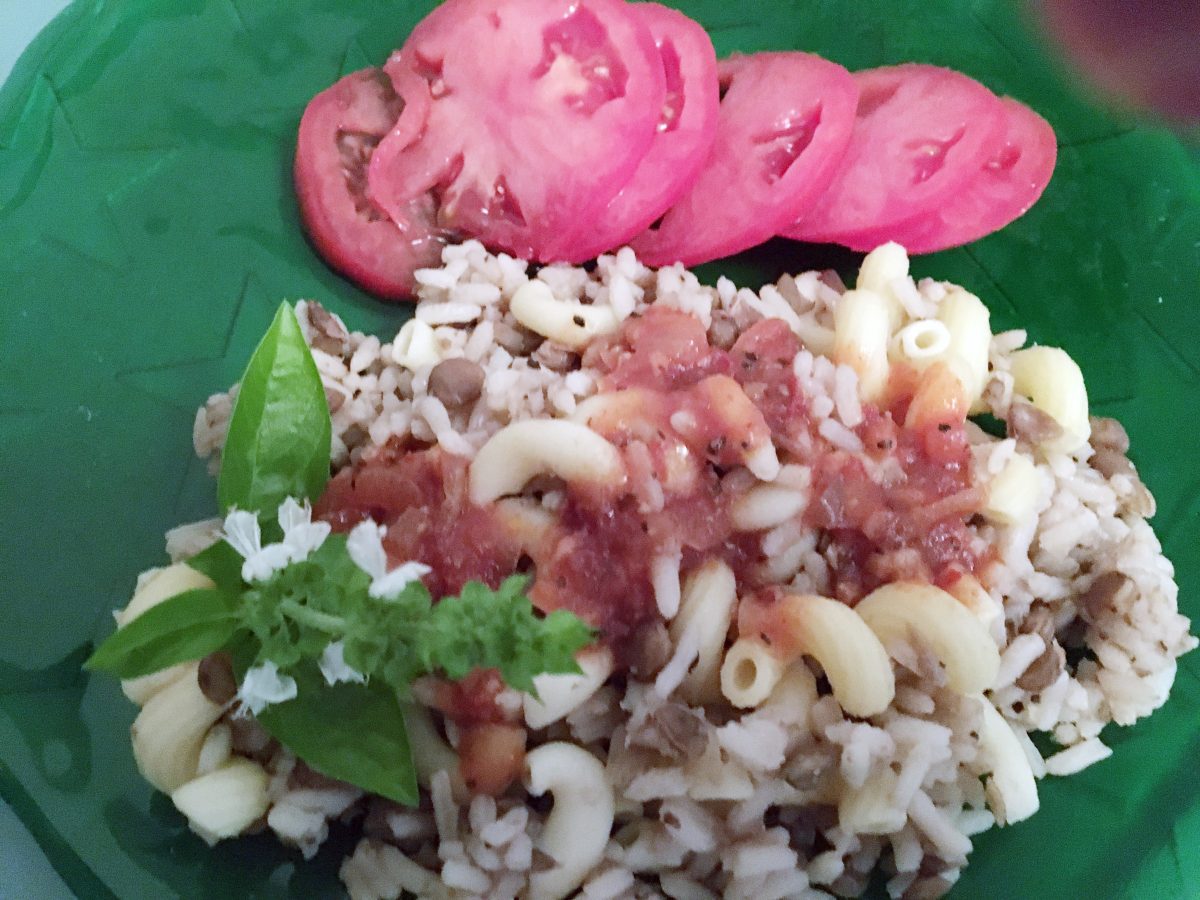
A plate of koushari mixed up, garnished with fresh basil and sliced Roma tomato
Barbara S. Miller/Observer-Reporter
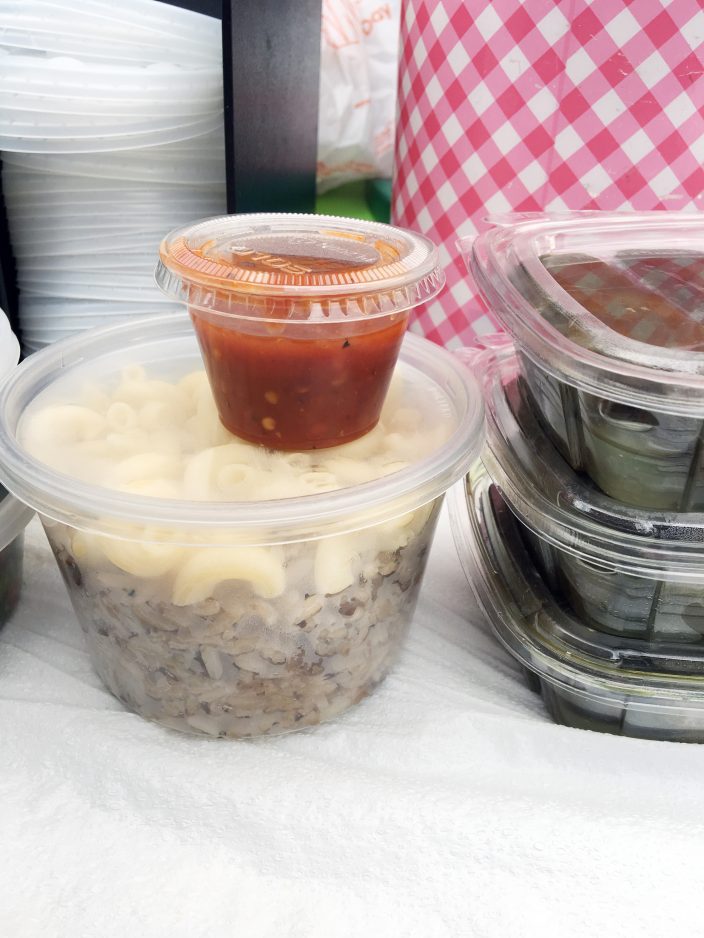
Keeping the red-hot tomato sauce in a separate container from pasta, rice and lentils means the customer can control the amount of “heat” in Radwan’s koushari.
Barbara S. Miller/Observer-Reporter
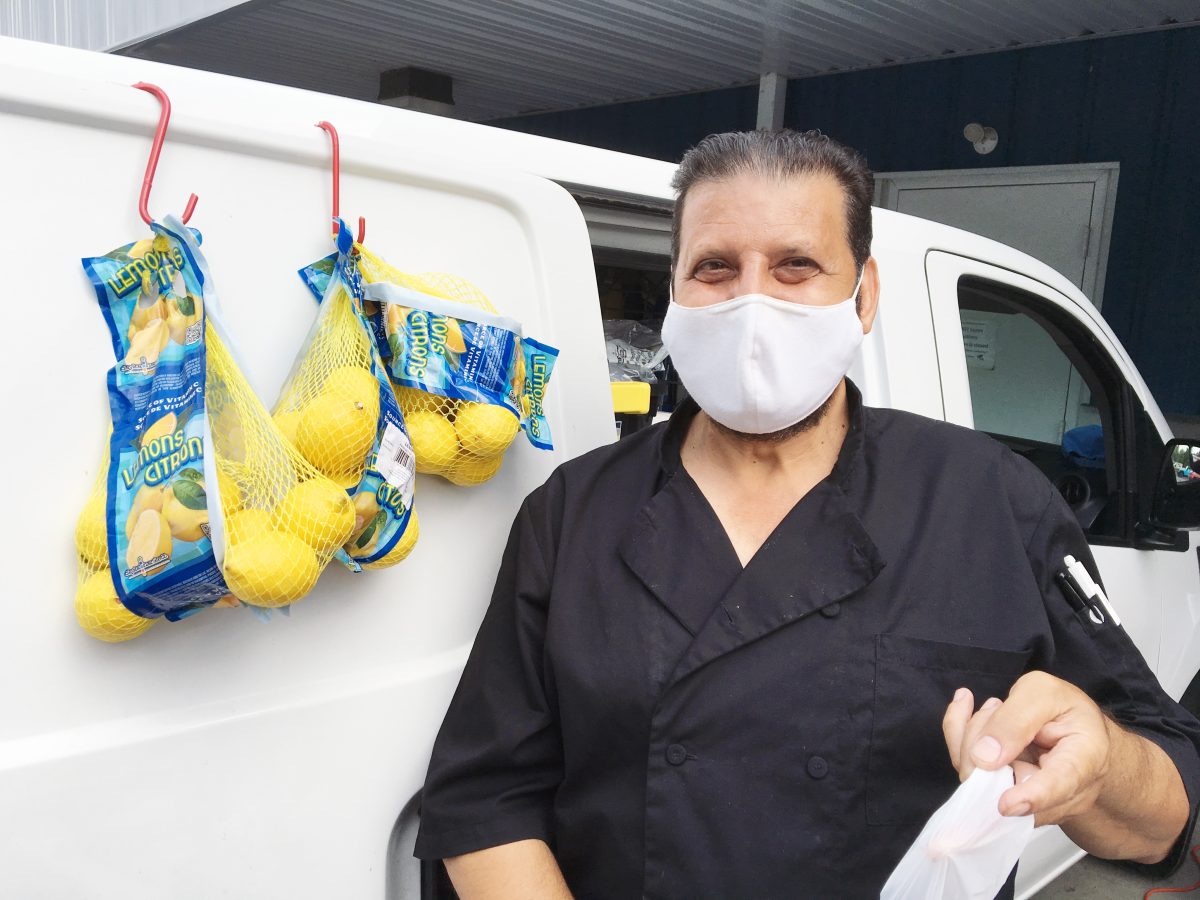
Magdi Radwan and lemons by the bagful waiting to become lemonade
Life gave Magdi Radwan lemons, so he decided to make lemonade.
Literally.
And along with that American ice-cold, freshly squeezed tangy-sweet drink, he’s also serving up some Middle Eastern favorites.
His farmers market booth is called “Joppie Gyro,” which Radwan described as a sort of nickname, not one that he’d previously gone by, but one his wife, Hanan, made up to advertise his catering and take-away food business.
Radwan came to the United States 20 years ago from his native Mansoura, Egypt, a Nile River city of nearly a million people. While living there, he earned his living as a teacher of language and history, but he said he was woefully underpaid.
In the United States, Radwan, 55, still teaches on the side, but he also became a chef.
Cutbacks in capacity because of the novel coronavirus pandemic meant many restaurants have reduced their capacity and hours, which is the case at the Mt. Lebanon chain restaurant where Radwan had been working.
“I’m off the schedule right now and coming back,” he said.
So it was time for him to develop Plan B.
He took his cooking skills on the road, which means those who crave something different, but may be leery of going inside restaurants, can find him in Washington County in the open air of farmers markets Thursdays in Washington and Tuesdays at Greater Washington County Food Bank in Centerville Borough.
Among the dishes listed on the Joppie menu is koushari, which some have called the national dish of Egypt. It’s a vegetarian mixture of pasta, lentils and fluffy rice with a tomato-based sauce Radwan described as “between one and five” as a level of spiciness, depending on how much one adds to the dish.
Many koushari recipes call for chick peas in addition to the lentils, but Radwan had found his customers aren’t crazy about them. It would be easy, however, to add half a can in the kitchen before heating in a microwave oven for a few minutes and serving.
And home cooks might also want to augment the dish with raw onion rings dredged in flour and sauteed in olive oil, but this isn’t something that travels well in the “koushari kit” containing the starch components or Radwan’s separate sauce.
How hot is koushari?
Radwan recommends adding just a tad of the tomato condiment, maybe mixed with marinara if one prefers it on the mild side. Those brave enough to down a fiery dish can empty every last drop of the little container.
Paired with green salad or parsley-based taboulee, pita bread or with a gyro, or as a side dish to a meat pie or spinach pie, the offerings make for a filling meal.
Need something in which to dip pita?
Radwan’s hummus is made from his mother’s recipe, quite bland in contrast to the spicy piquancy of koushari. His baba ganoush roasted eggplant puree carries a perhaps unexpected peppery kick.
“I haven’t been to Egypt,” said Deb Williams, a customer from Washington who recently made the trek to Centerville. “I’ve been to Greece and everywhere else.”
Hunger transcends national boundaries.
“A lot of people understand food,” Radwan said.
Cammy Oveson of West Pike Run Township ordered the ever-popular gyro.
“I like the combination of things all together,” she said.
For the sweet tooth, Radwan also sells squares of flaky baklava and another Egyptian specialty, cake known as basbousa, which means, “little kiss.”
The base is semolina flour, which produces a dense crumb similar in texture to American cornbread. Radwan drenches the baked product with a lemon-sugar syrup and tops each square with a pair of walnut pieces.
“Children love this,” he said.
Radwan also travels Fridays to Cranberry Township, Butler County, where his koushari, he said, has quite a following. He said he is also in Greensburg Saturday mornings.