

Did the pandemic cause your foot pain?
Courtesy of Metro Creative
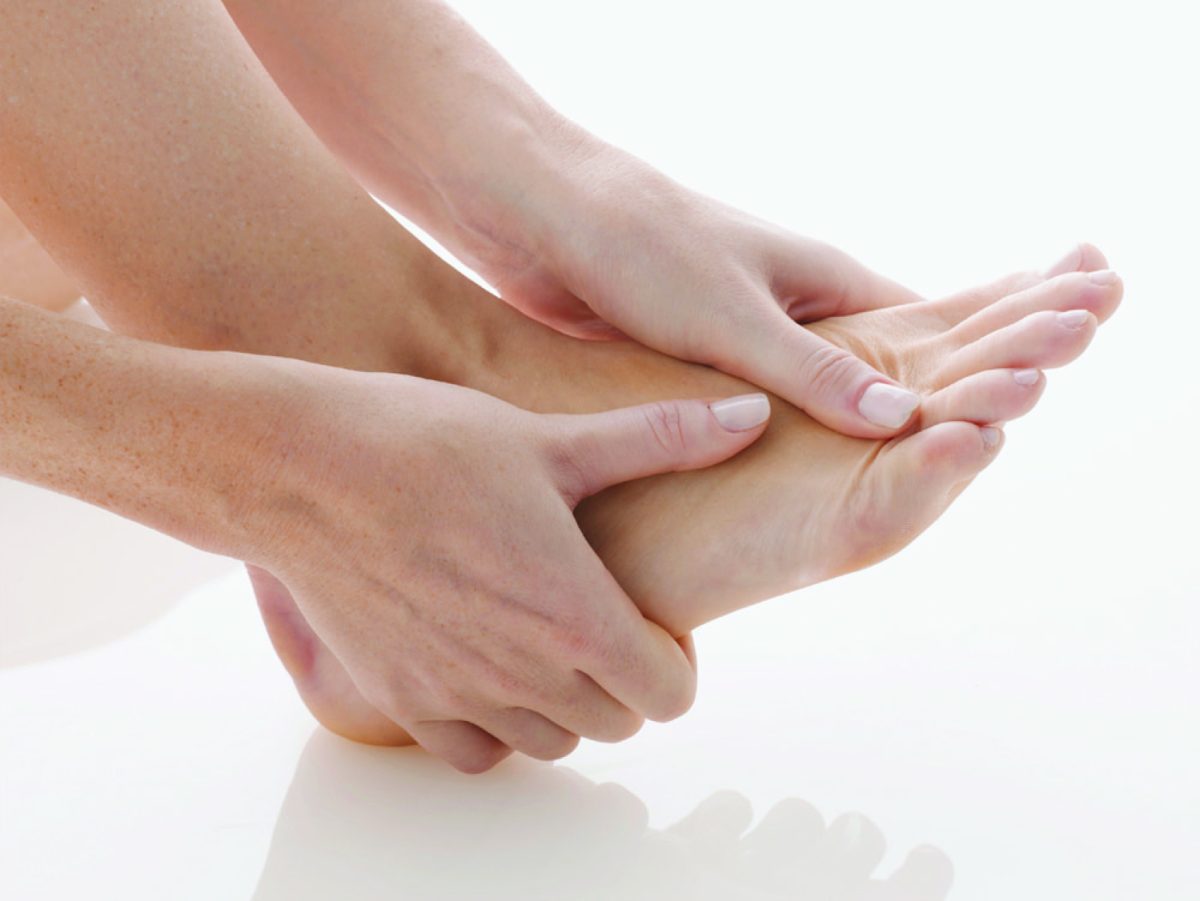
Many people who spent more time barefoot at home during the pandemic have been experiencing foot pain.

Dr. Ryan McMillen
Courtesy of Metro Creative
Many people have been dealing with foot pain in the wake of the coronavirus pandemic.
People around the world spent much of the past 15 months at home and indoors because of the COVID-19 pandemic.
Whether because of becoming unemployed, working from home or being confined during lockdown, many people didn’t venture outdoors very much at all and that meant not wearing shoes as often.
For those who found themselves padding around the house barefoot much of the time, or maybe wearing slippers, a new condition that’s been dubbed “lockdown feet” or “quarantine feet” may have unexpectedly developed.
“Many people have developed plantar fasciitis and metatarsalgia from not wearing shoes during the pandemic,” said Dr. Ryan L. McMillen, chief of Podiatry at Allegheny Health Network. “The lack of arch support and padding for the feet has contributed to this. This occurs even more with people who have hardwood floors and tile in the main portions of their homes.”
Metatarsalgia is a condition in which the ball of the foot becomes inflamed and painful. Plantar fasciitis causes heel pain because of inflammation of a thick band of tissue that runs across the bottom of the foot connecting the heel bone to the toes. While that’s the bad news, the good news is that some foot conditions have actually been helped by not wearing shoes.
“Many people with bunions or hammertoes have not had as much pain during the pandemic because shoes often contribute to these problems,” McMillen said.
Not enough support
While not wearing shoes has been an enjoyable benefit of being at home, not wearing them puts increased stress on ligaments and tendons and around the ball of the foot, which need support and cushioning. Without this arch support, many people are more likely to strain it which can lead to plantar fasciitis and tendinitis.
This is especially true for people with either high arches or flat feet.
Going barefoot can occasionally be beneficial and can even help build foot strength, but doing so long-term can be harmful. Walking barefoot forces the feet to absorb all of the shock of body weight and gravity. This can do harm not only to the feet, but also up the kinetic chain of the ankles, knees and hips.
No shoes means no cushioning and also no protection around the house.
Podiatrists and orthopedists across the country say they’ve seen an uptick in fractures in the past year from people stubbing their toes against furniture and corners while going barefoot.
The pandemic also forced gyms to close and the cancellation of recreational sports leaving many to workout at home. Doctors say sometimes people opted to do these at-home workouts without shoes, which is a bad idea when doing high-impact activities. Exercising barefoot can lead to foot and ankle sprains and overuse injuries. Padding around barefoot can be especially painful for people with arthritis as it can lead to more swelling and stiffness in feet and ankles.
Wear house shoes
The easiest way to cure “lockdown feet” is by wearing a pair of “house shoes” like sandals with good support or a pair of sneakers which can be slipped off and on easily.
The best approach is to choose a specific pair, or a few pairs, of “house shoes” that are only worn indoors. House shoes prevent the tracking around of dirt, germs and allergens brought indoors by other shoes. A good house shoe will have have a supportive sole with appropriate cushioning inside the shoe. Running sneakers work well, as will slippers with a thick, supportive layer on the bottom.
More padding and exercise
Shoes aren’t the only things that need more cushioning. Houses with hardwood floors or tile, add more stress and impact to bare feet and this can take a toll on joints. Consider getting a gel mat or anti-fatigue mat for the kitchen, standing desk, craft room, work bench or anywhere that people tend to stand in one place a lot.
Many may have added a “quarantine 15” while being cooped up at home close to the fridge. That extra weight can also be an added burden on feet and joints. Just 10 extra pounds increases the force on the knees by 30 to 40 pounds with every step taken. Even a small weight loss of eight to 12 pounds can cut down on joint pain and potential damage to joints. Walking is a low-impact way to start getting more exercise without adding more stress on the feet.
Pamper your feet
If your feet are painful, try warm soaks with Epsom salt – a compound of magnesium and sulfate – and maybe even some essential oils such as peppermint or wintergreen. Massage can also be beneficial as it increases blood flow to joints and promotes flow of the synovial fluid that lubricates them.
“You should seek medical treatment for a condition that lasts more than a week or two or is not alleviated by over-the-counter medication,” McMillen said.
As for re-emerging and getting back to wearing normal shoes, he advised to take it slowly.
“Breaking in any new shoe or insert helps reduce foot pain,” McMillen said. “I normally suggest increasing the amount of time you’re wearing the shoe or insert about two hours each day until you can wear them for a whole day.”