

Is marinating worth the time and effort?
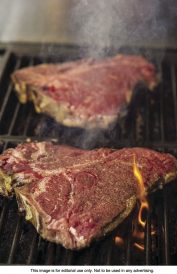
Backyard barbecue enthusiasts typically prefer the taste of grilled foods over meals prepared in other ways.
Much of that devotion to grilled foods can be traced to the unique flavor open flames impart to meat, poultry and other items.
Many people try to bolster the flavor of grilled foods even further by marinating items, often for several hours, before putting them on the grill. But chef Chris Schlesinger and editor John Willoughby, coauthors of the book “The Big-Flavor Grill: No-Marinade, No-Hassle Recipes for Delicious Steaks, Chicken, Ribs, Chops, Vegetables, Shrimp, and Fish” (Ten Speed Press), insist that marinating foods is an entirely unnecessary step that may even adversely affect the taste of grilled foods.
Grillmasters who have made marinades part of their grilling routines may be surprised to learn that Schlesinger and Willoughby recommend spice rubs over marinades. Marinating only flavors the surface of the meat, which may surprise marinade devotees who think marinating several hours prior to firing up the grill provides ample time for the flavor of marinades to soak into the meat. Regardless of how far in advance marinades are applied, they’re unlikely to penetrate deep into the interior of the food. Schlesinger and Willoughby note that rubs provide strong, defined flavors. An additional benefit of rubs over marinades is that rubs need not be applied hours in advance of grilling. In fact, rubs applied minutes before foods are placed on the grill will still provide an intense burst of flavor.
Cooks who marinate to tenderize their grilled foods may also be surprised to learn that Schlesinger and Willoughby suggest that this, too, is a waste of time. The authors note that marinades, especially those left on for too long, may make foods taste mushy, a taste that’s vastly different from tender. In lieu of relying on marinade to tenderize meats, cooks can make sure foods are cooked to the appropriate temperature. Read recipes carefully to learn what the appropriate temperature for a given dish is. If the recipe does not list a temperature, the Food Network offers the following guidelines to cooks who want to ensure their foods are cooked to the right temperature.
Chicken and turkey: Chicken and turkey breasts should be cooked to 165 degrees farenheit, while thighs should be cooked to between 165 and 175 degrees.
Beef and lamb: Rare beef and lamb should be cooked to 125 degrees farenheit but given three minutes rest after removed from the grill. Medium-rare beef and lamb should be cooked to between 130 and 135 degrees farenheit, while those who prefer medium well should cook until their beef and lamb registers temperatures between 135 and 140 degrees farenheit on a meat thermometer. Well-done beef and lamb can be cooked to a minimum of 155 degrees.