

Hearing aids will soon be available over-the-counter
Metro Creative
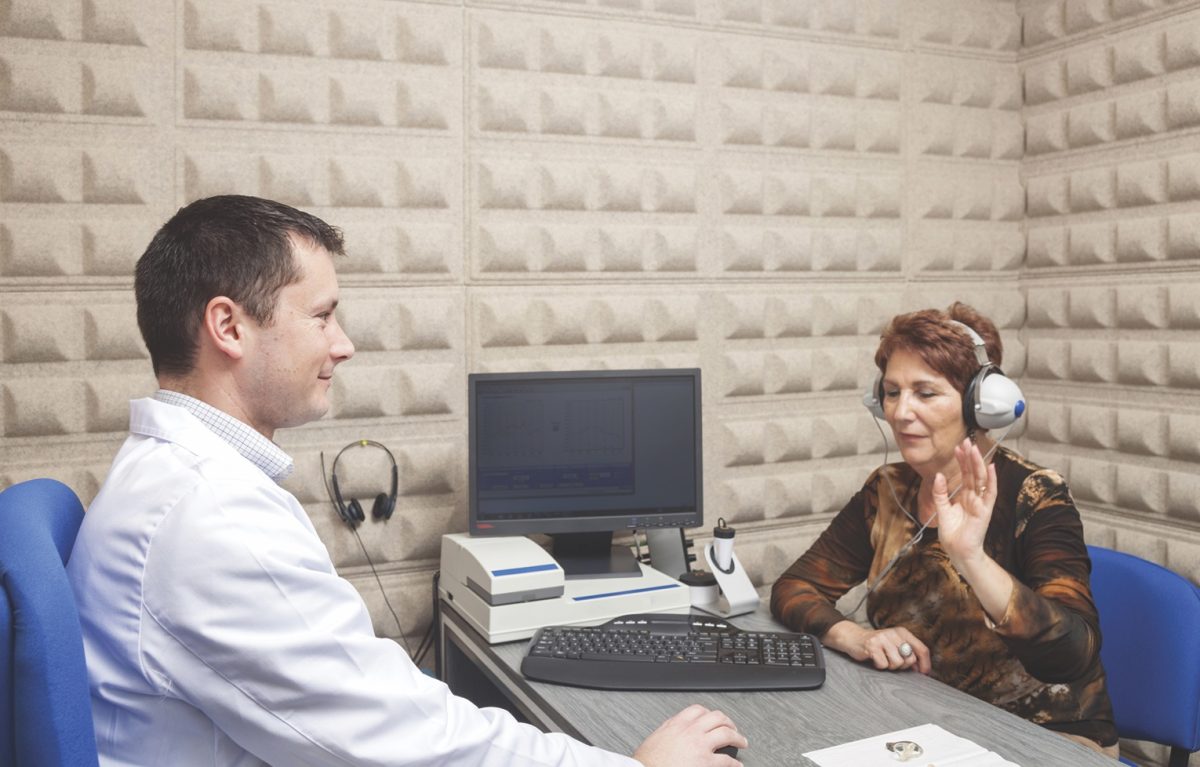
Successfully meeting a patient’s communication needs calls for a partnership between a patient and audiologist.
Metro Creative
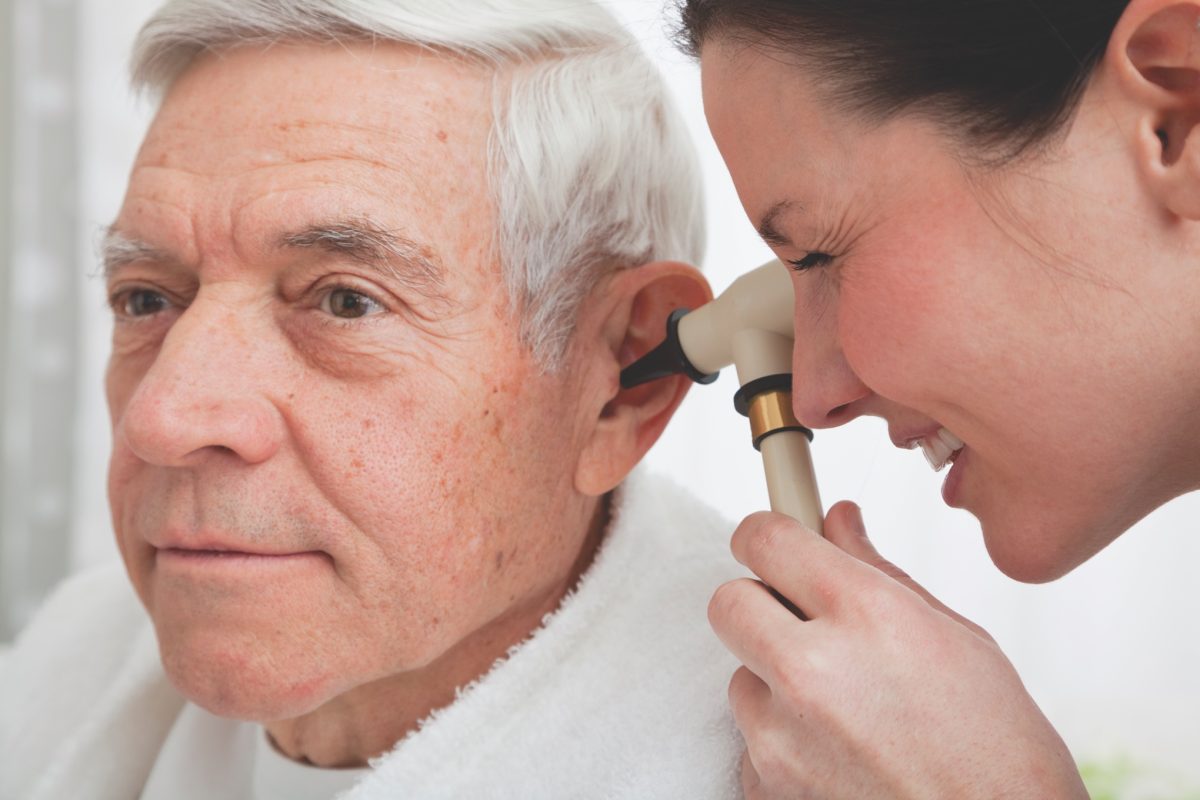
Hearing loss could be a sign of an easily treatable problem like built-up earwax, or a more serious problem, such as a benign tumor on the hearing nerve.
Metro Creative
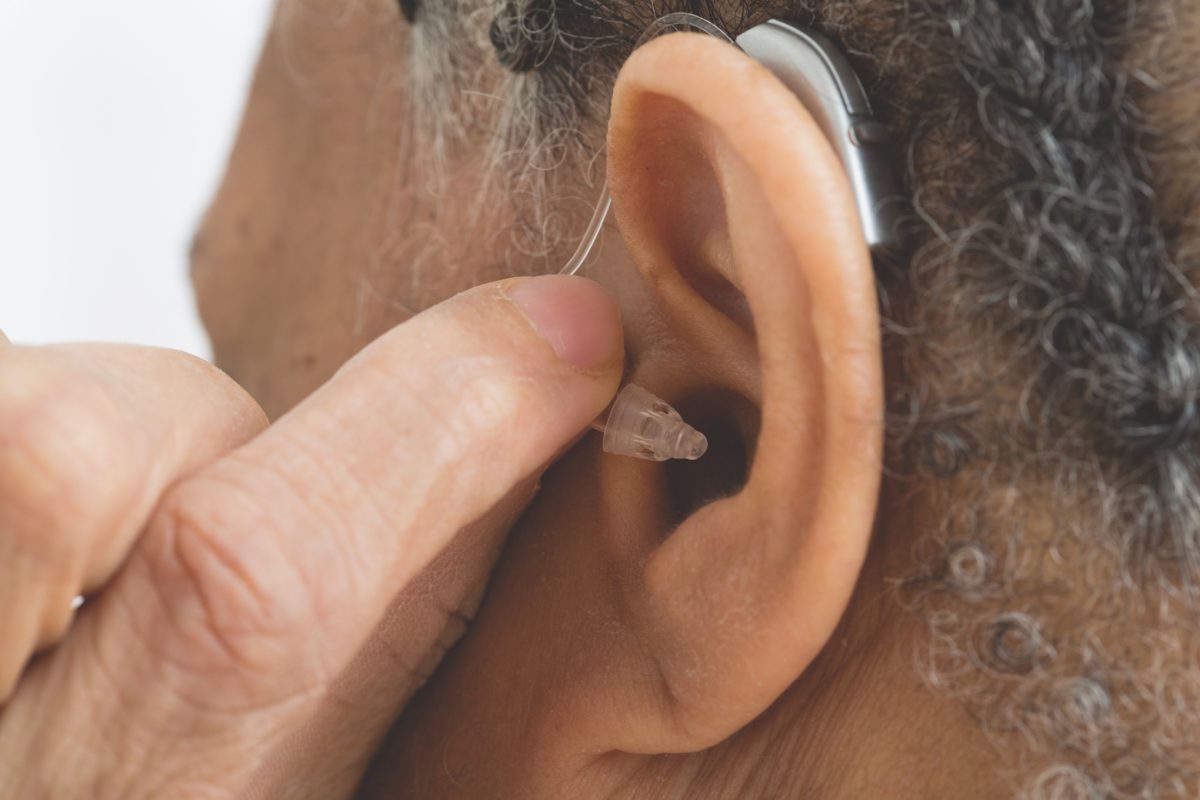
People with mild to medium hearing impairments will soon be able to purchase over-the-counter hearing aids without a prescription or a medical exam.
People with mild to medium hearing impairments will soon be able to purchase over-the-counter hearing aids without a prescription or a medical exam.
According to the Food and Drug Administration, OTC hearing aids will be hitting the shelves of local pharmacies and retail stores including Best Buy, and also will be available for purchase online, by as early as October.
The over-the-counter hearing aids are equipped with the same basic technology as traditional hearing aids, but will be much cheaper.
That’s welcome news for the nearly 30 million adults in the U.S. who could benefit from hearing aids, for whom hearing aids can improve overall health and quality of life.
“It is not uncommon to see a patient who has never worn hearing aids and they tell us they don’t feel they are missing out on hearing what they want to, and their spouse or family member will be in the room with them shaking their head in the background,” said Anna Sampson, an audiologist with Washington Ear Nose and Throat. “Those folks still decide to move forward with getting hearing aids. I believe on some subconscious level they actually do realize they are missing something, and more often than not they tell us they had no idea what they were missing.
“Price certainly is a barrier sometimes,” said Sampson, noting hearing aids can cost up to $7,000 a pair, including the cost of the devices, audiology visits, and fitting services.
Currently, only about one-fifth of people with hearing problems use a hearing aid.
The new devices are expected to cost less than $1,000 a pair, Sampson said.
Hearing aids that are intended for severe hearing impairment or for people younger than 18 still require prescriptions.
Sampson likens the new hearing aid market to the eye care market, where consumers can purchase reading glasses from the drugstore or retail store, or prescription lenses from an eye doctor.
“(The OTC hearing aids) are like cheater glasses for reading,” said Sampson.
Currently, “personal sound amplification” devices are on the market, but Sampson notes, they are not hearing aids – they simply amplify sounds. Additionally, they do not undergo FDA review, and U.S. regulations bar them from being marketed as hearing aids.
The American Speech-Language-Hearing Association ASHA believes that patients with hearing loss will continue to need the services of an audiologist, and Sampson agrees.
Successfully meeting a patient’s communication needs calls for a partnership between a patient and audiologist.
“I believe that a lot of audiology and hearing aid practices would be open to assisting patients who did purchase over-the-counter hearing aids. Even if you spent $800 on an over-the-counter device, if you’re afraid it’s not working, or if you’re not wearing it properly, that’s something they’d assist with,” said Sampson. “There are things we can do to help with cleaning, fitting it in the ear, and do verification measures to determine if it’s meeting the needs of your hearing loss.”
Sampson emphasizes the importance of getting a hearing evaluation every one to two years, and advises those with hearing loss to have an evaluation to determine the degree of loss.
“Regardless of the perceived amount of hearing loss, everyone should have a hearing assessment because there could be an underlying medical reason why there is hearing loss,” said Sampson.
Hearing loss could be a sign of an easily treatable problem like built-up earwax, or a more serious problem, such as a benign tumor on the hearing nerve.
“Sometimes, that hearing loss can be treated. And if there is a sudden change in hearing, ringing, buzzing, tinnitus, drainage, vertigo, dizziness, all of those are significant reason why people should have their hearing assessed,” said Sampson.
Sampson said patients often tell her they didn’t realize how exhausting it was for them to strain to hear.
They also miss bits and pieces of words, making it far more likely to misunderstand conversation and respond inappropriately, and they turn up the television so loudly that their family members don’t watch TV with them.
“I rarely, if ever, have someone tell me they regret getting hearing aids,” she said.