

New PSTF guidelines recommend breast cancer screening at 40
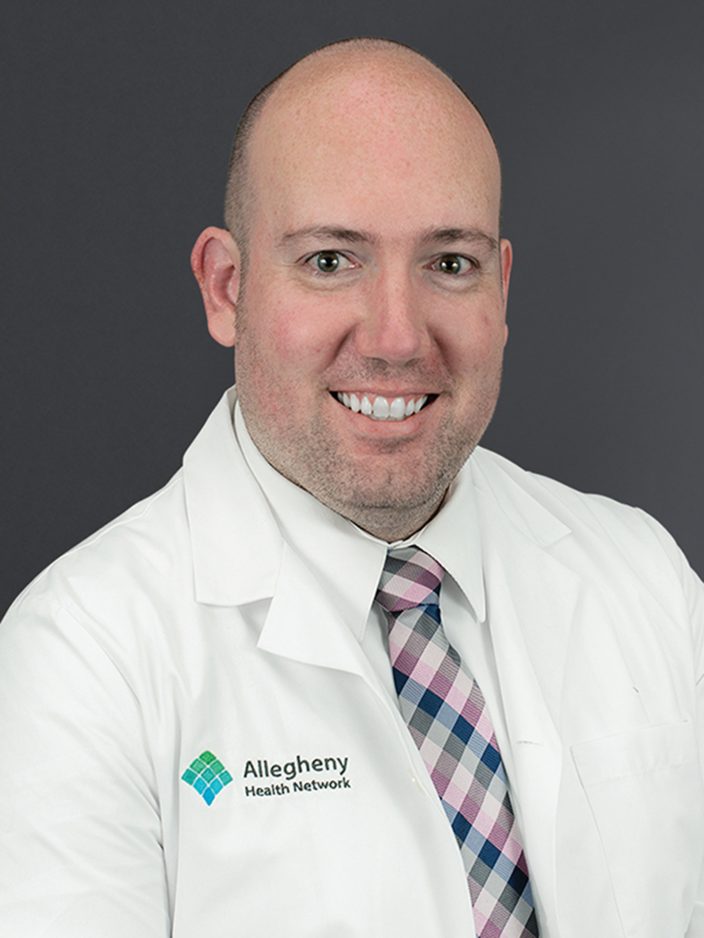
Dr. Matt Miller
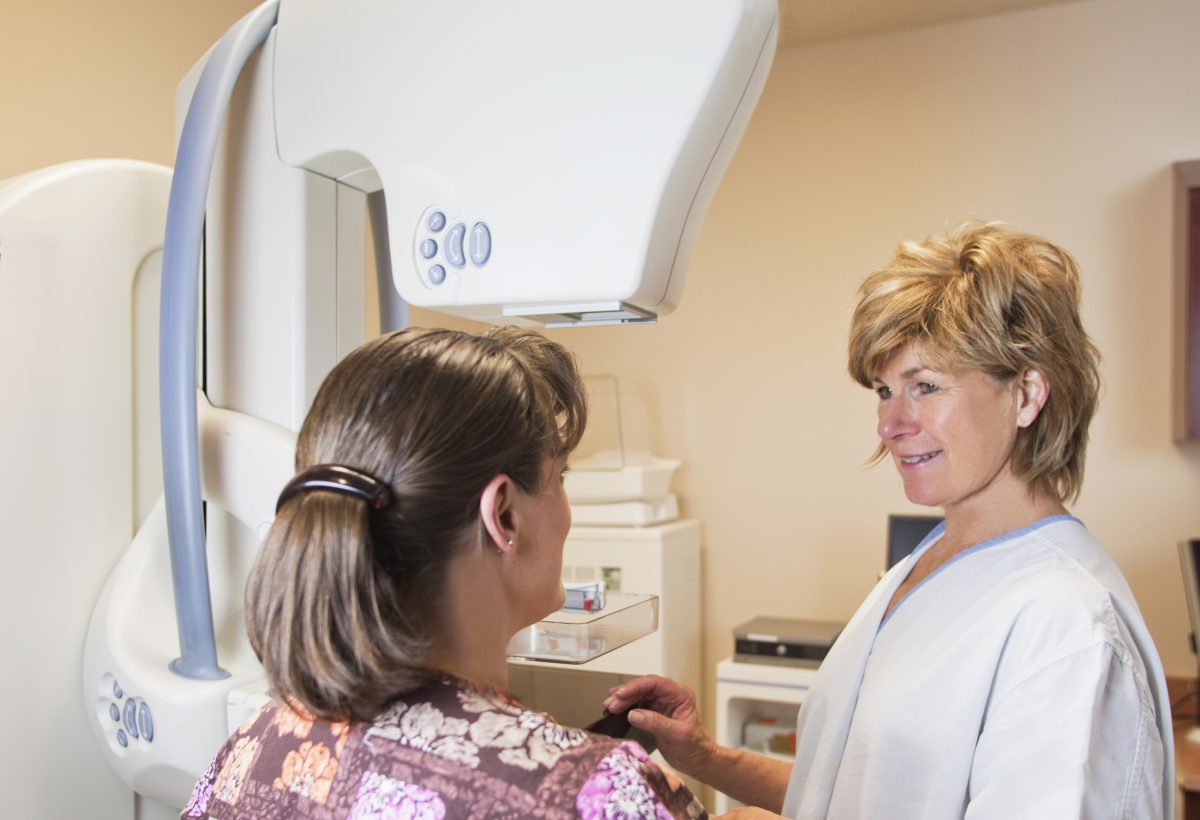
Metro Creative
New guidelines recommend women start getting mammograms at age 40.
New guidelines released by the U.S. Preventive Services Task Force (PSTF) suggest women should be screened for breast cancer every other year starting at age 40. That’s a change from its previous recommendation that women start screening at age 50 and is more in line with advice from the American Cancer Society, which already advises starting mammograms in your 40s.
Why the shift? New evidence from the National Cancer Institute cited by the PSTF shows diagnoses of breast cancer in women in their 40s increased an average of 2% per year between 2015 and 2019. The new guidelines are aimed at encouraging screening at a younger age to save lives.
This updates the previous guidance from 2016, when the task force recommended mammograms every other year starting at age 50. The PSTF is a group of independent medical experts whose recommendations guide doctors’ decisions and influence insurance plans.
“Before 2016, the standard recommendation was to get your mammogram every year starting at age 40,” explains Dr. Matt Miller, a diagnostic radiologist specializing in breast imagery with Allegheny Health Network (AHN). “They decided then to recommend it every other year, and it just kind of flies in the face of all the data that’s out there. It was really confusing for patients, and it’s been a big campaign to for us as breast health advocates to kind of end the confusion and say, no, the data still says 40.”
Breast cancer is the second most common cancer among women in the United States. Routine breast cancer screenings include mammograms, which are X-rays of the breasts and the first line of defense against breast cancer. This recommendation is for those at average risk for breast cancer, and the new guidance says the benefits of yearly screenings outweigh potential harms, such as the risk of a false positive that could lead to unnecessary tests and emotional stress.
While this change helps align all parties in the message to start mammograms at age 40, there’s still some divergence. “Now, every organization again recommends starting at age 40, so there’s no more confusion for when you should start,” says Miller. “The problem is it was a big step, but it was an incomplete step because they still say do it every other year.”
That’s in contrast with the yearly mammogram recommendation from many other organizations. “They even cite that, yes, doing it every other year saves the most lives, however, we think you can get by with just doing it every other year,” says Miller. “They say we don’t want as many false positives, someone who has a screening mammogram and gets called back doesn’t necessarily mean they’re getting a biopsy, but they get called back to do additional imaging. Trying to limit that at the expense of detecting more cancer I think is wrong.”
Miller knows how testing and diagnosis can wreak havoc with emotions – his own wife is a breast cancer survivor and was diagnosed at only 29 years of age. “She’s fine. She’s absolutely fine,” he said. “But, you know, for me, I would rather know they are getting the most appropriate care. OK, so they might see something that’s not really cancer, that’s fine. Just know that they’re looking at the breast doing exactly what’s needed to detect the most cancer and save the most lives.”
While Miller is pleased the new guidance lowers the age once again, he’s hopeful the task force will go a step further and recommend yearly mammograms rather than every other year.
“Our work is not done because we have to make sure that hopefully no one reads this and thinks they only have to do it every other year now,” says Miller. “There’s a big difference between one year and two years to allow the cancer to grow and potentially get worse. Talk to your doctor, but the safest guidance would be to do it every year.”