

Thinking ahead with pollinator gardens
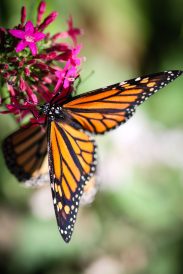
A campaign is underway, sponsored by the U.S. Forest Service, to register one million public and private gardens and landscapes as National Pollinator Gardens. Planting a pollinator garden is not only important, it’s also easy. Because pollinators are responsible for one of every three bites of food we eat every day, they are needed to fertilize three-quarters of our daily food groups. Today, we are at a critical point in the survival of pollinators. If you look around your yard, and you already have flowers, trees and shrubs, you most likely already have a good start on having a pollinator garden.
What are the pollinators that you’re trying to attract? Pollinators are animals, primarily insects, that fertilize plants and flowers by transferring pollen from one part of the plant to another. This fertilizes the plant and causes it to produce fruit or seeds. When most people think of pollinators, they think of honeybees and butterflies. But lots of animals are pollinators: bees (more than 16,000 species worldwide), butterflies, wasps, beetles, birds, bats, rodents, caterpillars and other similar creatures. The majority of flowering plants require pollination to make the seeds and nuts that will become the next generation of plants.
Planting a garden to attract pollinators is easy. First, take a look around your yard. You’ll need to plan your garden so it will be in bloom from early spring through late fall. What are your blank spots? Do you need to add some spring bulbs? Or maybe some early flowering shrubs? Just fill in those blank spots. You don’t need to do it all at once. Gardens are continual works in progress.
The second area to consider in your pollinator garden is how you plant. Plant so your flowers grow in mounds or clumps, not as individual flowers. Grow all your daisies, black-eyed Susans and coneflowers together. This makes it easier for the pollinators to find them. Also think about scents – lilacs, lavender, agastache – that will attract those bees and butterflies. Try to use native plants as much as possible. Natives are adapted to our region, climate and soil. Another bonus for you and your neighbors will be the beautiful, appealing landscape that will result year-round.
Finally, avoid using pesticides and herbicides as much as possible. They can reduce available nectar and pollen sources, as well as pollinators, in your garden. Consider composting and think about adding a rain barrel or a pond if you have time and space.
What are some other considerations for a pollinator garden? Provide a nesting/resting habitat like a bird feeder or a bird bath. Hummingbirds are attracted to red, trumpet-shaped flowers, so plant some pretty red honeysuckle against the side of a garage, or your house, on a trellis or fence. All butterflies love red and brightly colored flowers. Monarch butterflies love milkweed. However, there are studies reporting that certain species of milkweed can be toxic to some animals, with range animals horses, cows and sheep being specifically mentioned. So, exercise caution in such environments. Butterflies also love overripe bananas and other fruit. You can also put a wet sponge in a dish of water salted lightly with sea salt. Butterflies and bees both love the macronutrients in the sea salt. Beetles, the real workhorses of pollinators, are colorblind and are attracted by scent. Don’t forget them.
What else can you do, especially if you don’t have space for a garden? Plant container gardens with seed packets of zinnias or wildflowers and watch them grow. Mix them with some alyssum and snapdragons. You can also plant impatiens for bright color. These plants are annuals and will just last for a season. Avoid plants with “doubled” flowers, as the fragrance, pollen and nectar have often been bred out of them.
This is the perfect time of year to get bulbs in for spring. Look for friends and neighbors separating their day lilies or other flowers and accept handouts. You’ll be that person in a year or two! Enjoy the peace of your garden.
Do you have questions about a pollinator garden or gardening in general? Or would you like a master gardener to speak to your group or organization? Contact the Washington County Master Gardeners at 724 228-6881. Follow us on Facebook. Also consult the Penn State Extension website at extension.psu.edu for additional information.