

How to create a pollinator-friendly garden
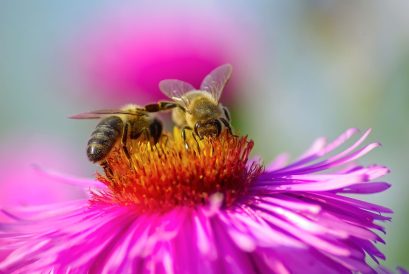
Pollination occurs when pollen is moved within flowers or carried from flower to flower by pollinating animals such as birds, bees, bats, butterflies, moths, hover flies, wasps, beetles, other animals, or by the wind. This transfer of pollen, which leads to fertilization and successful seed and fruit production for plants, is vital to our food supply.
Honeybees (a non-native species) are considered valuable because they can be moved from farm to farm, but a recent study claims that native bees are more plentiful and two to three times better pollinators than honeybees. There are more than 300 species of wild bees – which include native and naturalized bees – in Pennsylvania that provide the majority of pollination for some summer vegetable crops.
The major threats facing pollinators are habitat loss, degradation, fragmentation and improper pesticide use. Penn State Extension master gardeners are taking action to protect pollinators by planting pollinator-friendly gardens and providing education to the gardening public. There are several things a home gardener can do to create a more pollinator-friendly habitat on their property.
Native plants are the heart of a pollinator-friendly garden. Research shows that native plants are four times more attractive to pollinators than non-natives. Because natives are well-adapted to a particular geographic area, they usually also require less maintenance. In addition:
• Provide pollen and nectar sources from early spring to late fall by planting a variety of flowering plants.
• Choose a variety of colors to attract a diversity of pollinators.
• Plant in groups or drifts to make the flowers easily visible to pollinators.
• Avoid modern hybrids, especially those with “double” flowers, that often sacrifice pollen and nectar for bloom.
Pollinators need sources of water. This can be as easy as hanging a dripping bottle or adding a bird bath. Be sure to change the water two to three times per week in warm weather when mosquitoes are breeding.
A good way to encourage pollinating visitors is to provide nesting sites for them. A dead wood or brush pile can provide nesting sites for some varieties of bees, wasps, beetles and ants as well as provide overwintering sites.
Pollinators also need protection for overwintering, so instead of cleaning up your gardens in the fall, wait until late spring. Perennials and grasses left standing will provide shelter as well as give winter interest to your garden.
Remove invasive plants and protect native plant communities. Also:
• Avoid buying and planting invasive plants.
• Develop a plan to remove invasive plants on your property.
• Where invasive plants are removed, replace with native plants or seed as soon as possible.
Reduce pesticide use
• Use pesticides only when necessary (rather than on a regular schedule), and in the minimum amount necessary to be effective.
• Use less-toxic options such as insecticidal soap or horticultural oil and apply them at night, when bees are not foraging.
• Avoid systemic pesticides. These chemicals are designed to be applied to the soil and taken up by the roots, or sprayed on leaves and absorbed into the plant. Once applied they move throughout the plant, including into pollen and nectar.
• Never use a pesticide when plants are in bloom or when pollinators are active.
For more information, and to learn how to certify your property as “Pollinator Friendly” with the Penn State Master Gardeners, visit ento.psu.edu/pollinators/public-outreach/cert. To get a start on your pollinator garden, visit the Master Gardeners Plant Sale at the Washington County Fairgrounds, 9 a.m. to 3 p.m. May 13. Plants suitable for pollinator gardens as well as many other plants will be on sale.
For other questions, call the Master Gardeners office in Washington County at 724 228-6881 or visit the Penn State Extension website, extension.psu.edu, for additional information.