

Pittsburgh’s Holocaust Center keeps alive the memory of 20th century horror
The intersection of Murray and Hazelwood avenues is packed with the kinds of enterprises you would expect in this bustling and diverse section of Pittsburgh.
There’s a food pantry, a chiropractic clinic, an ethnic foods store, a dance school and child-care center.
Nestled within the nondescript Squirrel Hill Plaza is the Holocaust Center of Pittsburgh. Its door is locked and you must be buzzed in, a necessary acknowledgment of the anti-Semitism that still persists and still threatens lives.
“It didn’t begin and end with the Holocaust,” says Lauren Bairnsfather, the Holocaust Center’s director.
In the months that have passed since the massacre at the Tree of Life synagogue that left 11 congregants dead, the mission of the Holocaust Center of Pittsburgh has taken on even greater urgency. Founded in 1981 through a bequest by Leonard Rudolph, a Squirrel Hill businessman who owned the franchise rights to Wendy’s Old Fashioned Hamburger outlets in the region, the Holocaust Center of Pittsburgh dedicates itself to preserving the memories of Holocaust survivors who settled in the city after World War II, and being a resource for generations who were not around when one of the most resonant horrors of the 20th century occurred.
MFP2017
MFP2017
Open by appointment to visitors, school groups and other organizations, the Holocaust Center of Pittsburgh is one of several spots around the United States that memorializes and analyzes the Holocaust. Philadelphia hosts the Holocaust Awareness Museum and Education Center, Cincinnati has the Center for Holocaust and Humanity Education, and similar facilities can be found in Richmond, Va., Dallas, St. Louis, and suburban Detroit. Clearly, the premier site for Holocaust remembrance in the lower 48 is the United States Holocaust Memorial Museum. It’s adjacent to the National Mall in Washington, D.C., and it houses thousands of artifacts, documents and testimonies about the Holocaust.
“We are in touch with nearly 50 survivors in Pittsburgh,” Bairnsfather explains. “At one point there were over 300. This is a small number compared to larger cities.”
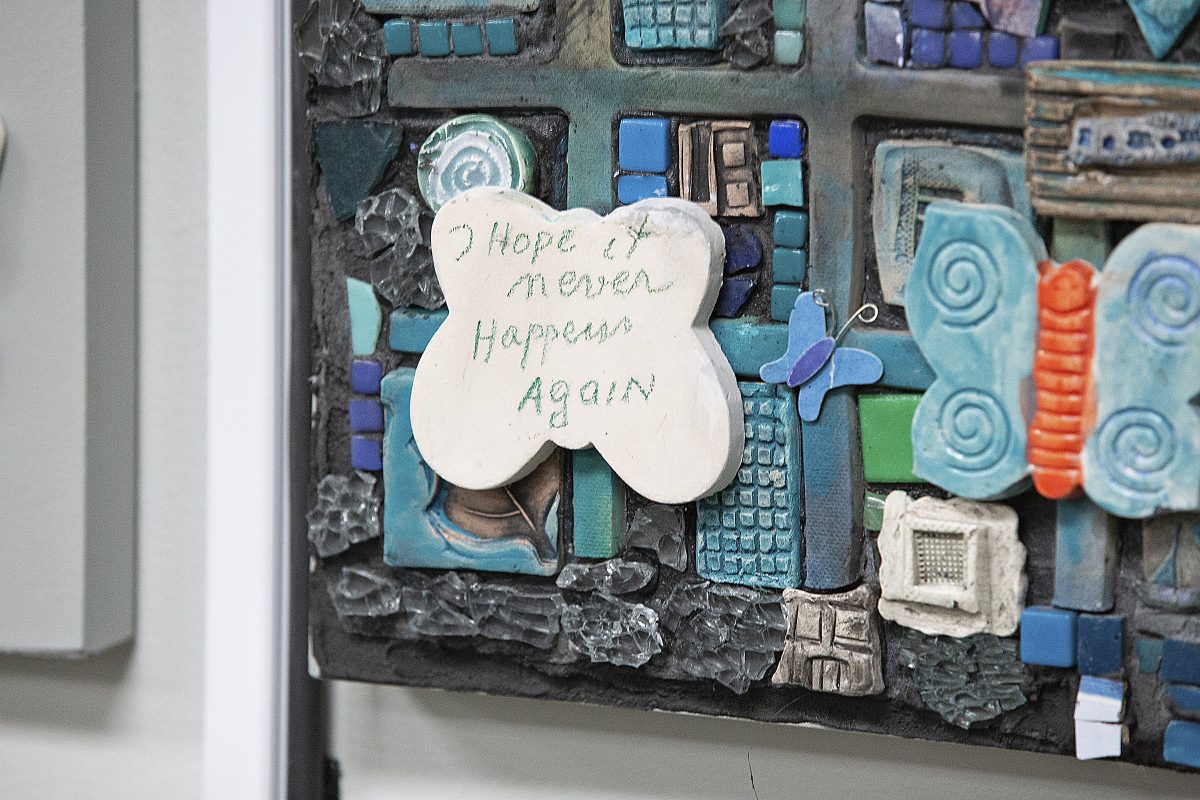
The Holocaust Center of Pittsburgh has both rotating and permanent art galleries, more than 3,000 books in its collection and some mementos from the Holocaust, with the most visible being a striped, tan and blue uniform that was worn by an unknown inmate at a concentration camp. It was acquired in France by a Pittsburgh man who has lent it to the center for long-term display.
“We do not know who wore it or where, but we have had it authenticated by an expert in Washington, D.C.,” Bairnsfather says.
She also pointed out that she never wants to be desensitized by the sight of it, even though she walks past it every working day.
“I do not want to experience that with our artifacts from the Holocaust,” she says. “I want to be affected by them every time I see them.”
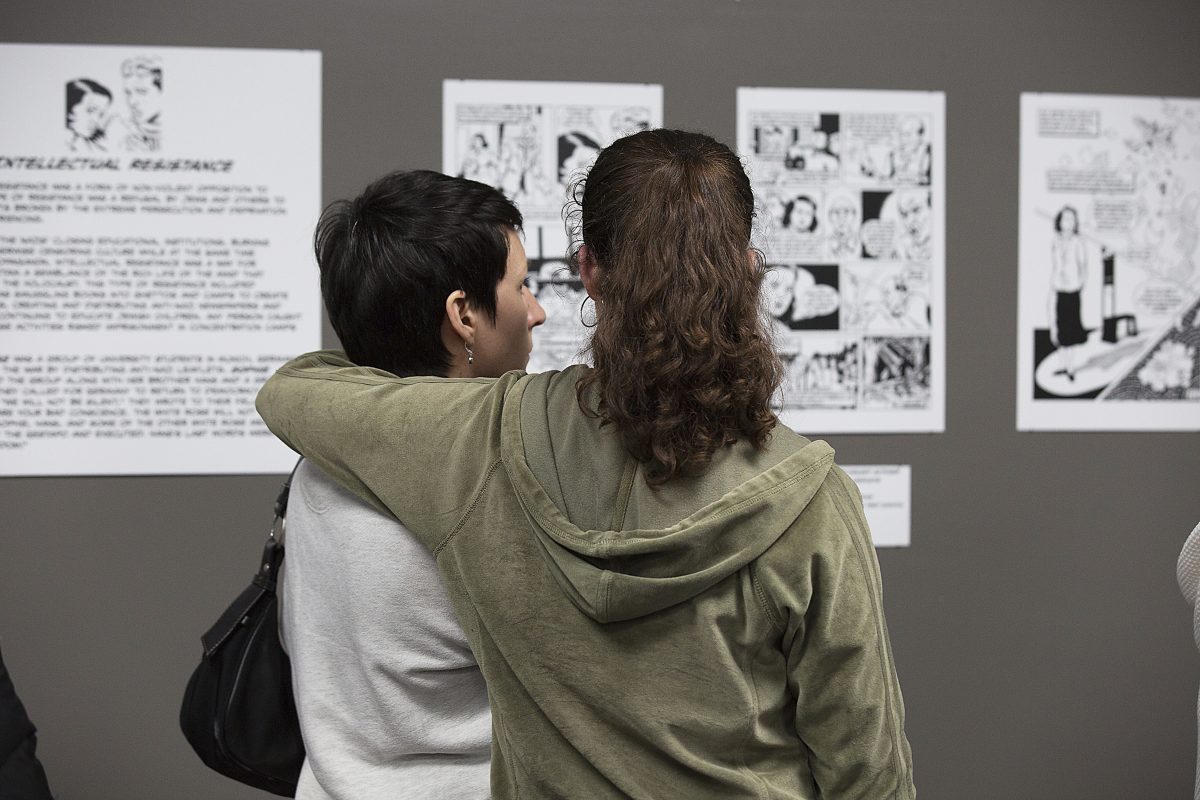
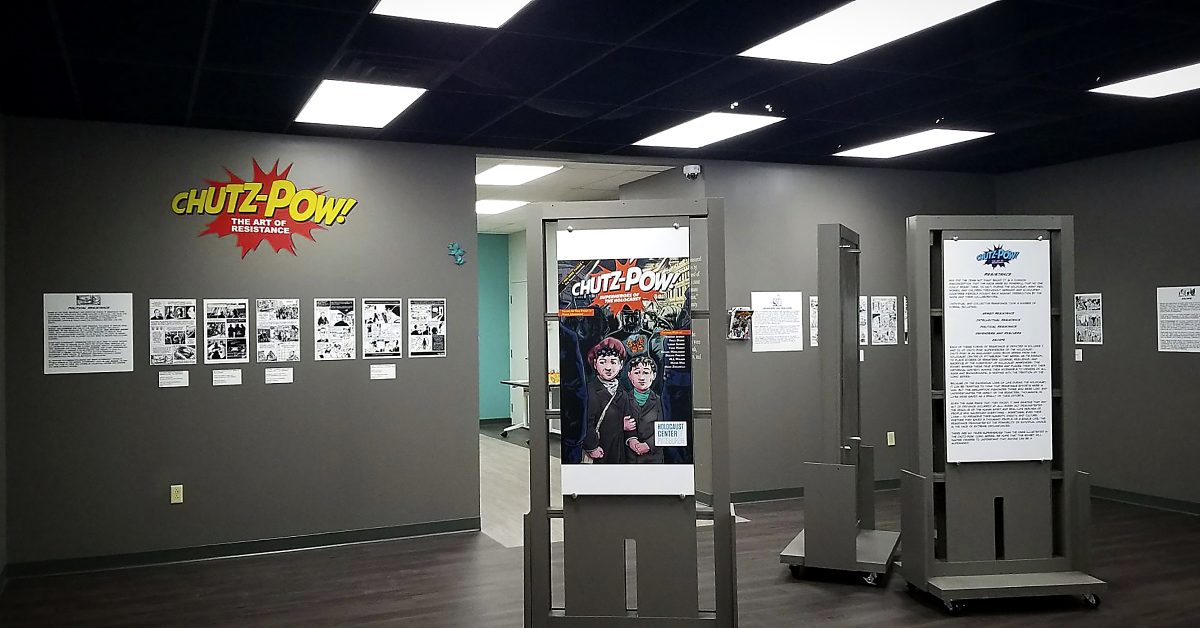
Along with the items it holds, the Holocaust Center of Pittsburgh offers teacher training programs and sponsors the “Chutz-Pow!” comic book series that chronicles stories of those who resisted the Nazi rampage during World War II. The organization also hosts events throughout the metro area and coordinates speaking engagements with volunteers, educators and Holocaust survivors.
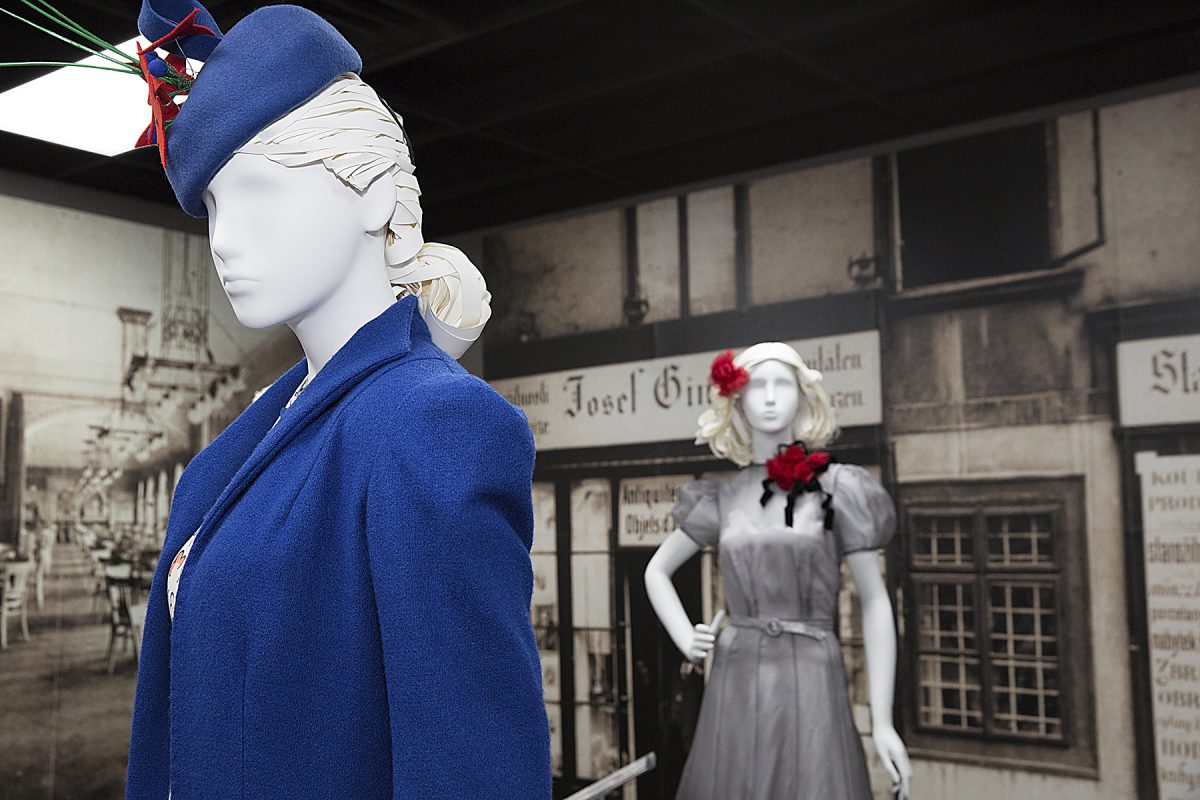
Plans are being hatched to move the Holocaust Center of Pittsburgh to a larger home. The hope is to find a space that will be large enough to house a permanent exhibit, traveling exhibits and an art gallery. The move will likely happen at the end of 2020 or in early 2021.
Bairnsfather hopes that visitors to the Holocaust Center, particularly students, walk away from the experience with an understanding that the Holocaust was a global humanitarian crisis, “with a global failure to respond.”
“We hope that visitors learn from the example of the Holocaust not to be passive bystanders, but to take action for what is right,” she says. “From the example of the Holocaust survivors, visitors learn what it means to be resilient, not only to survive, but also to thrive.”
She also notes that the Holocaust is not a stand-alone event, and the same kind of bigotry that fueled the Holocaust can be found in contemporary anti-Semitism, and in bigotry toward other groups, whether they are Muslim, Hispanic or LGBTQ.
“Genocide is a human disease,” Bairnsfather says. “These hatreds go together. This is something we absolutely talk about.”
She adds, “If I’m not safe, you’re not safe.”
Diane Bondareff
Diane Bondareff
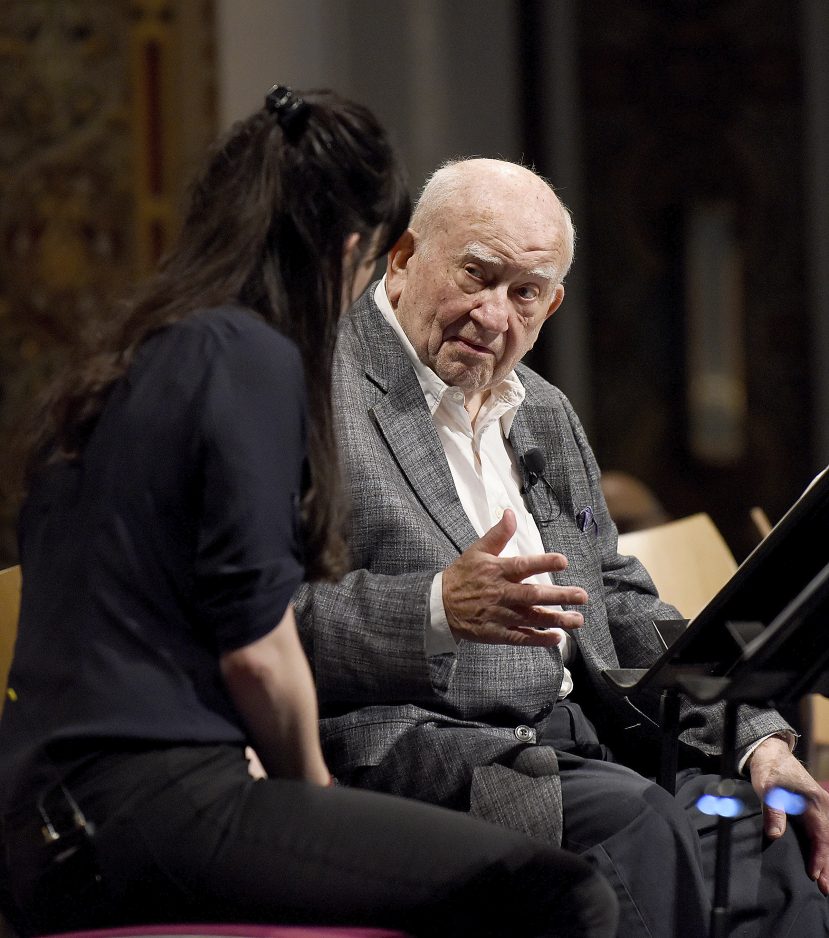
Stars of “The Soap Myth” Ed Asner and Tovah Feldshuh at a Concert Reading at B’nai Jeshurun in New York in January.
At the beginning of May, the Holocaust Center is sponsoring its first Week of Remembrance. Coinciding with Holocaust Remembrance Day on May 1, it will include a focus on women in the Holocaust and a ceremony honoring Pittsburgh first responders at the Jewish Community Center’s Katz Auditorium on May 2 at 7 p.m. On May 6 at 7 p.m., the Holocaust Center is sponsoring the staging of the play “The Soap Myth” in the sanctuary of the Rodef Shalom synagogue. It stars Ed Asner, the 89-year-old best-known for his work on the 1970s television series “The Mary Tyler Moore Show” and “Lou Grant,” as a cantankerous Holocaust survivor.
For information, call 412.421.1500 or visit hcofpgh.org.