

Creating a backyard area for wildlife
Americans takes pride in their lush, weed-free lawns, but often such yards involve vast amounts of water, energy and poisons.
Making a change in the average suburban lawn not only cuts down on maintenance costs but can attract wildlife that is threatened with habitat loss from invasive species, light pollution and climate change. According to a 1999 study, Pennsylvania lost 100 wild acres a day in 1982. In Americans takes pride in their lush, weed-free lawns, but often such yards involve vast amounts of water, energy and poisons.
Making a change in the average suburban lawn not only cuts down on maintenance costs but can attract wildlife that is threatened with habitat loss from invasive species, light pollution and climate change. According to a 1999 study, Pennsylvania lost 100 wild acres a day in 1982. In 1997, that number had risen to 299 acres a day.
Dr. Candy S. DeBerry, associate professor of biology for Washington & Jefferson College, spoke on creating a backyard wildlife habitat as part of this year’s Washington County Master Gardener’s annual Spring Gardening Seminar.
Wildlife, explained DeBerry, is attracted primarily by three variables: water, food and shelter. Here are some of her suggestions for each.
Water
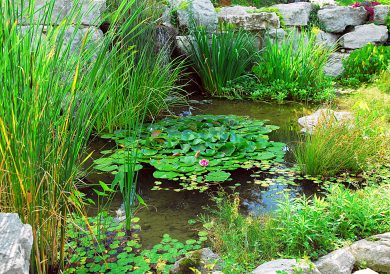
A water source such as a pond, wetlands or water mister attracts wildlife. Homeowners can provide a birdbath or even a small pond. Birdbaths should be shallow with a rough surface and a few stones. DeBerry recommends a water depth of about two inches. Empty and replace the water daily.
Locate water sources close to a protective cover so birds and other small animals aren’t visible to predators while drinking.
Find a corner in your yard where you can create a mud puddle by turning a garden hose on some dirt and sprinkle salt over the puddle. This attracts butterflies.
Food
Supplemental feeding for wildlife can be expensive and time-consuming, so DeBerry recommends planting bushes and plants that produce food such as berries, nuts and seeds. Also, garden with insects in mind, she said, because plants that attract certain insects or worms will, in turn, attract other animals and birds.
Cluster plants in three-foot flower beds so overhead birds can see them. She advises planting with diversity in mind for different shapes and colors so there are blooms all season.
Consider setting out food for times when birds are migrating or bees are emerging.
Shelter
Provide protection for animals and birds to raise their young and, if possible, connect it to an existing habitat. For example, if your neighbor has a large flower garden, you might want to add plants or shrubs on your side of that garden to extend the area.
Other ideas include creating hedgerows instead of a fence or creating habitat strips filled with plants that provide nuts or berries as an additional food source.
If you need to cut down a tree, you can leave the stump behind to provide cover. Even a brush pile covered by a vine, log piles or dead foliage left over the winter can provide protected spaces.