

Apothecary shop returned to LeMoyne House
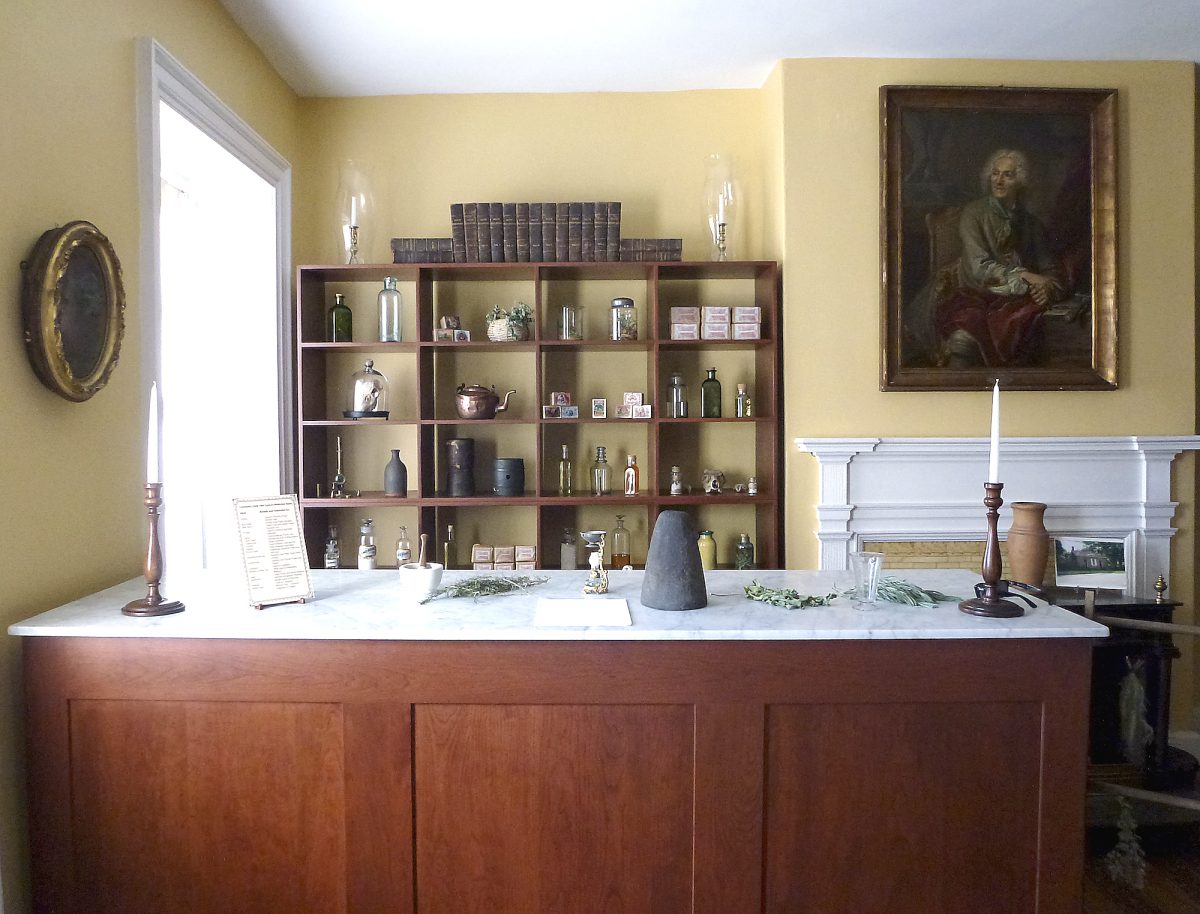
The recreated apothecary shop in the Francis Julius LeMoyne House in Washington
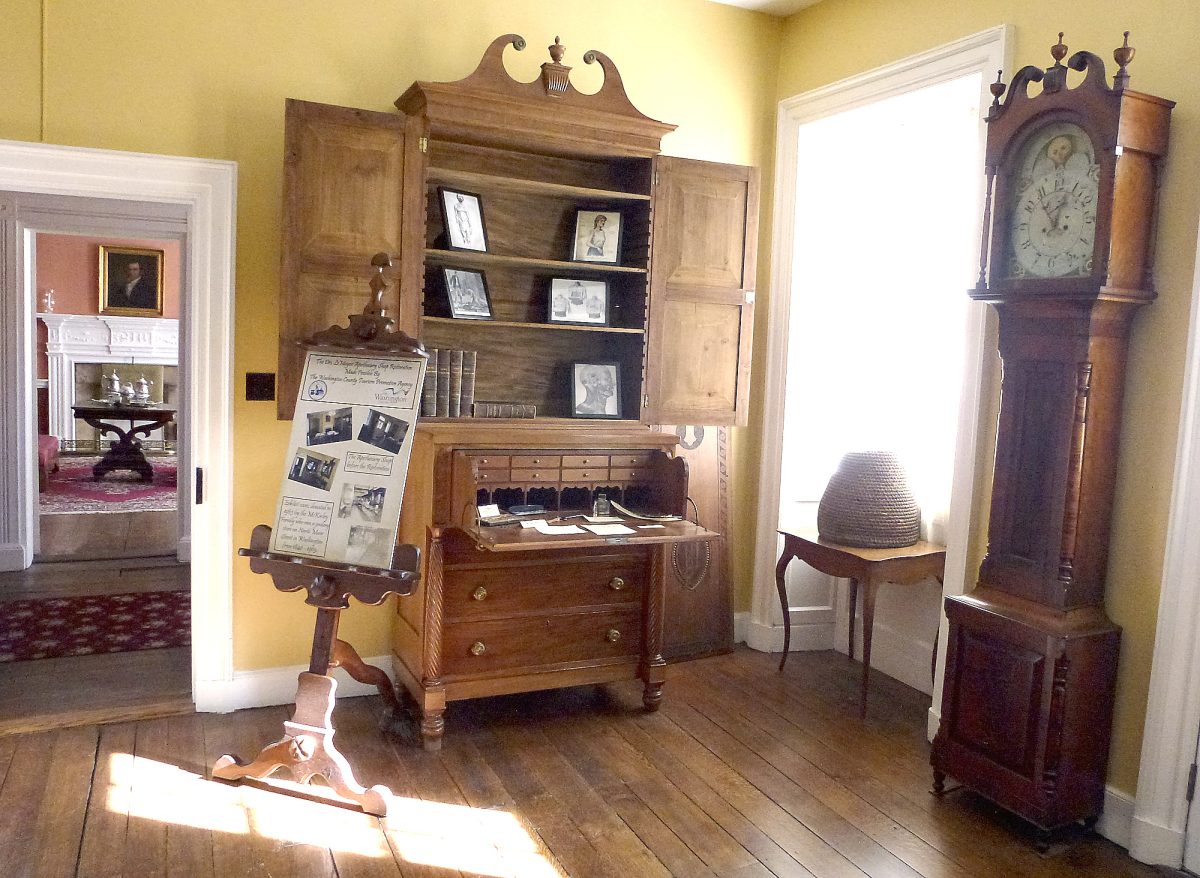
John LeMoyne’s grandfather clock and desk are back in their original spots as part of a restoration project at the Francis Julius LeMoyne House in Washington.
A synthetic form of willow bark is used today to make aspirin, reflecting what was once an herbal headache cure dispensed by practicing physicians in the 1800s.
Washington’s most famous physician of the era, Francis Julius LeMoyne, also would prescribe patients ground fennel seeds to suppress their appetites, as well as a variety of dried herbs or root vegetables to treat such ailments as a sluggish liver.
“A lot of these things are still being used,” said Washington County Historical Society’s director, Clay Kilgore, discussing the restored 1840s apothecary shop in its house museum.
“We actually have his recipes,” Kilgore said Monday.
The shop opened Saturday under a $10,000 restoration project designed to return LeMoyne’s physician’s office to its original appearance.
Using a description of the house written by LeMoyne’s daughter Charlotte, the society returned the desk and grandfather clock belonging to her grandfather, John LeMoyne, to where she made note of their locations in the shop, just inside the front door to the right.
Charlotte LeMoyne, who served as the family historian, also wrote an 8-foot-long table topped with a thick slab of white marble was positioned to the left of the entrance. That table was where her father ground his medicines, and it has been recreated for the shop.
The entrance to the house at 49 E. Maiden St. in Washington also received a makeover. The door, one of two at the facade, had been sealed shut with auto body putty and many layers of paint.
It was removed, sent to a restoration company and reinstalled in working order.
The room also had a lot of plaster restoration work completed before it was given a fresh coat of mustard-colored paint.
It will be used for giving visitors demonstrations on how medicine was made by Francis LeMoyne, founder of the first crematory in the United States and a participant in the Underground Railroad.
The changes to the room were part of a master plan on redesigning the exhibits in the stone house built in 1812 by John LeMoyne.
“We don’t want to do a full restoration to 1812,” Kilgore said.
He said the society wants to show different timelines in the house through 1943, when Charlotte LeMoyne was the last member of the family to live there. Her dining room, situated in the original operating room, remains intact, as she had it arranged.
The two military rooms in second-floor bedrooms will one day be moved to a new museum across the street.