

Rising anger in Nepal as quake relief trickles in
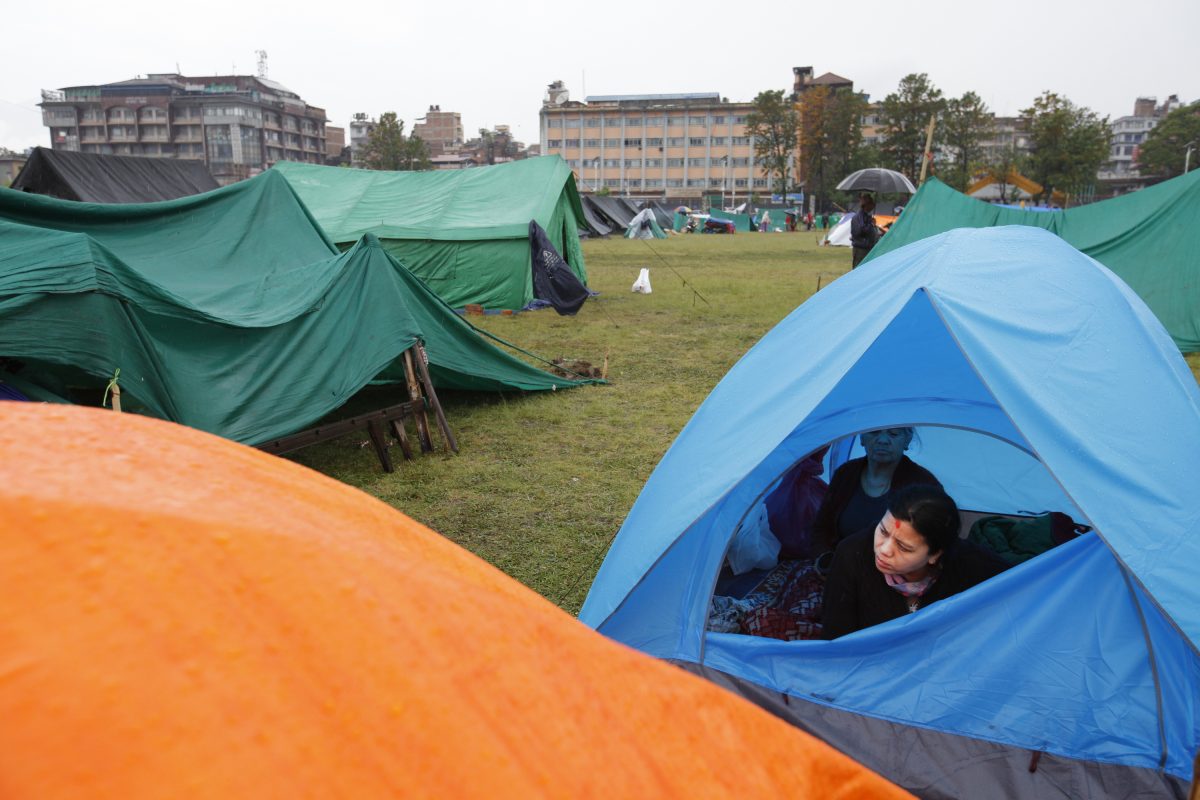
A Nepalese woman victim of an earthquake peeps from her makeshift tent in Kathmandu, Tuesday. A massive earthquake shook Nepal’s capital and the densely populated Kathmandu valley on Saturday leaving hundreds of thousands of people living in the open without clean water or sanitation. (AP Photo/Niranjan Shrestha)
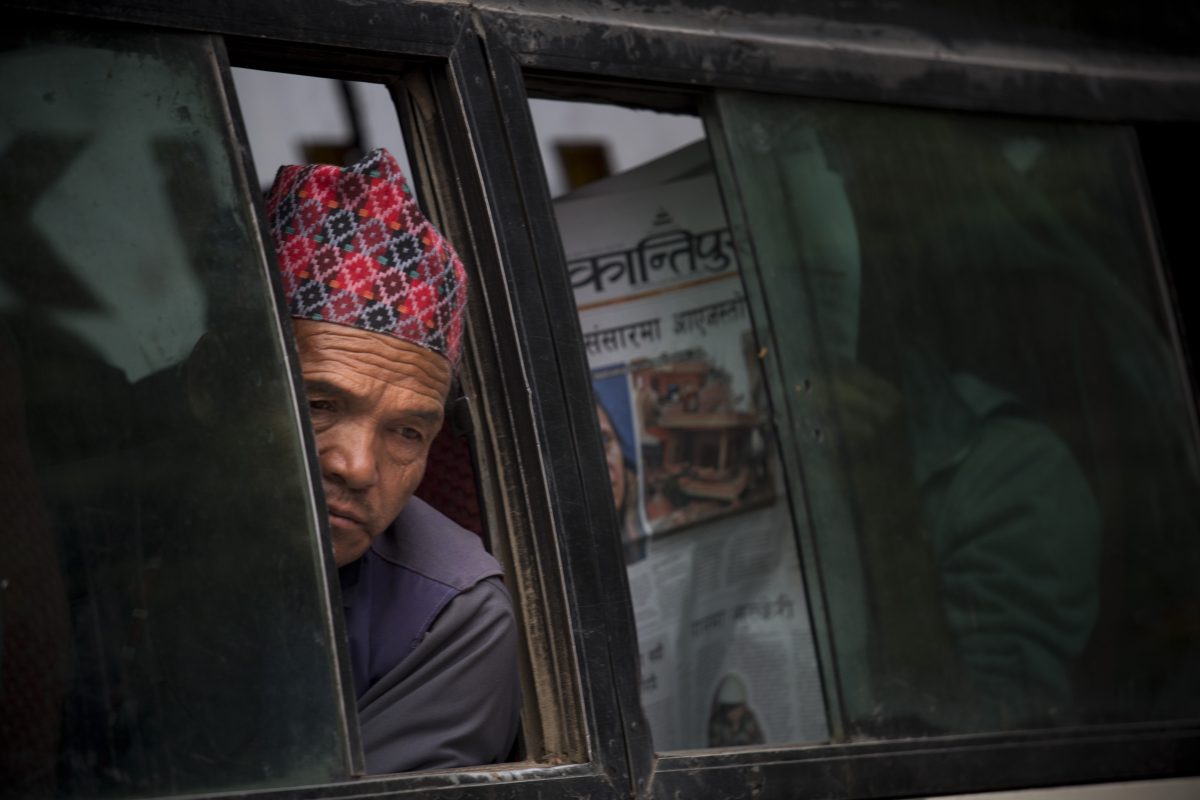
A Nepalese man looks out from the window at a bus terminal in Kathmandu, Nepal, Tuesday. Many Kathmandu residents are traveling home to their villages to check on their families or for fear of living in the city where hundreds of thousands of people are still living in the open without clean water or sanitation since Saturdayís massive earthquake. (AP Photo/Bernat Armangue)
KATHMANDU, Nepal – Residents of Kathmandu living in tent camps after Nepal’s powerful earthquake said Tuesday that their biggest worry was a lack of safe drinking water, even as they endured the latest pelting of rain.
That and other claims of slow disaster relief have kindled growing public frustration here with the Nepalese government, which has struggled to deliver food, water, tents and other aid across this poor, mountainous country of 28 million people.
Since the earthquake struck Nepal on Saturday, killing more than 5,000 people at the latest count, the government has instituted disaster-response plans, galvanized the army and received planeloads of aid every day from dozens of other countries.
The government has established 16 large camps in Kathmandu, and many other residents have made do by sleeping on the street or in open spaces away from damaged buildings and walls.
But residents have complained that the help is not reaching them or is arriving too slowly, and many accuse the government of incompetence, neglect or even corruption.
“I don’t think the government is doing anything,” Sudesh Tulachan, a building worker and shop owner sheltering from the rain under a canopy where hundreds of Kathmandu residents displaced from their homes gathered, including 24 of his relatives.
“Only this tent was provided by the government, but for everything else, we have had to rely on our own labors,” he said as relatives swayed their heads in agreement. “You can see how many humans are in need.”
It is a common complaint in the tent camps across Kathmandu, the capital, where aftershocks have deterred many residents from sleeping indoors and where many older buildings have crumbled into piles of broken brick.
But the government faces a conundrum in distributing aid, one senior military official said. Though urban residents can protest loudly about their hardships, the most pressing needs are in isolated villages in remote valleys and mountainsides, where the earthquake caused devastating landslides. Prime Minister Sushil Koirala said Tuesday that the number killed could reach 10,000.
“Our primary, primary, primary goal is to rescue the people,” the official, Brig. Gen. Jagadish Pokharel, a spokesman for the Nepalese army, told a group of reporters after a briefing on the aid effort. “We are also trying to synchronize it and to distribute to the needy people. We will do our best.”