

Nearly $30 million in Act 13 money unaccounted for
Nearly $30 million in Act 13 money unaccounted for
Scott Beveridge/Observer-Reporter
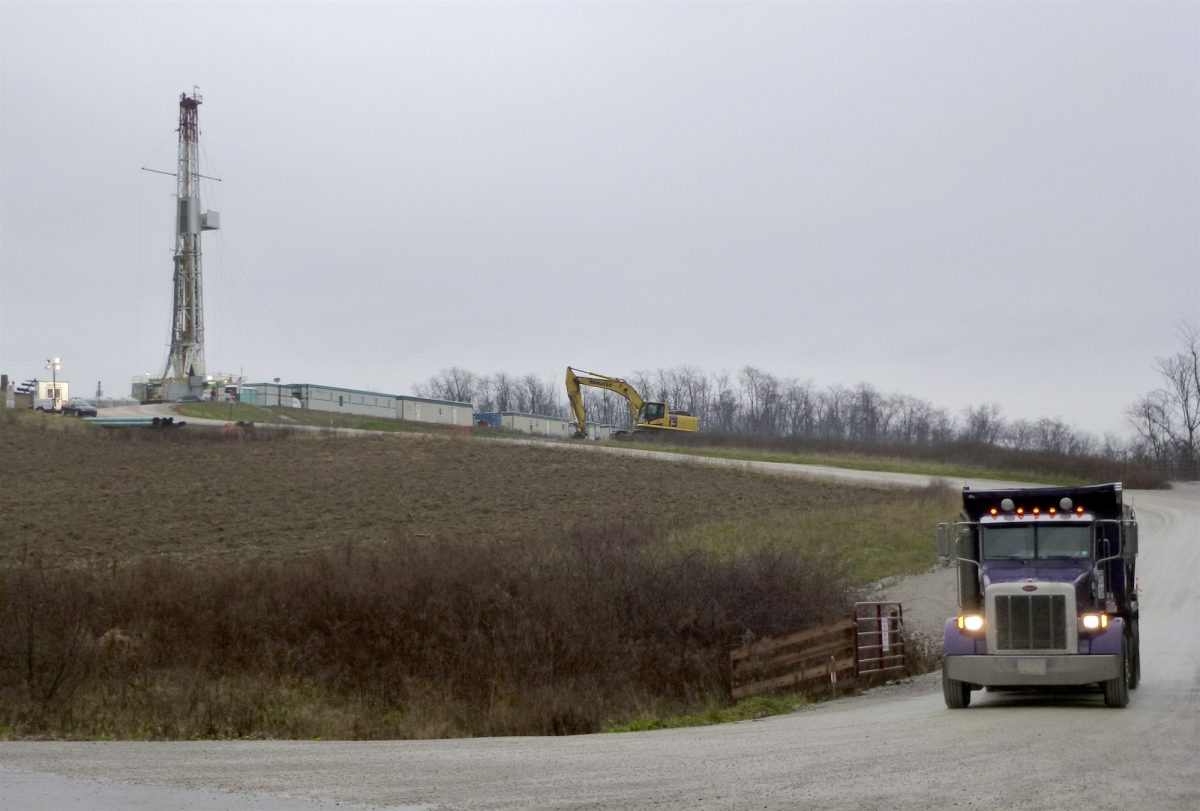
A Marcellus Shale natural gas drilling operation along Preston Road in Somerset Township is one in a string of wells that contribute millions of dollars in impact fees that are divided among municipalities across the state.
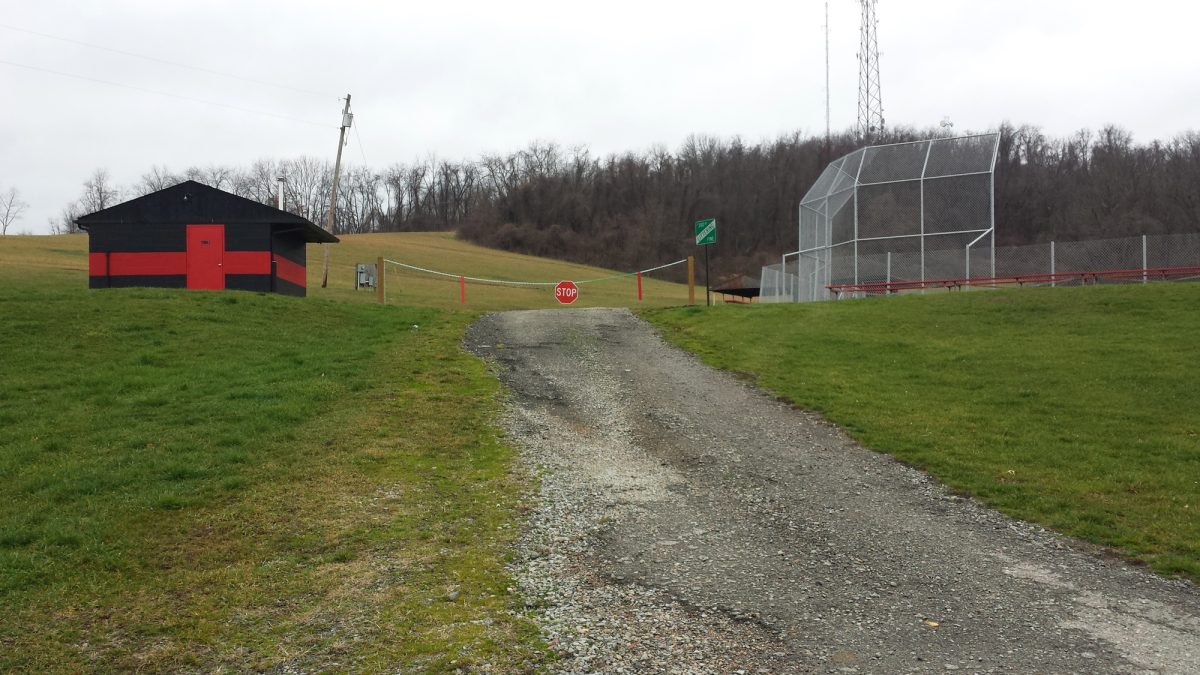
Supervisors in Fallowfield Township intend to spend Act 13 impact fee revenues on repairing green spaces, including Recreation Park behind the municipal building on Memorial Drive.
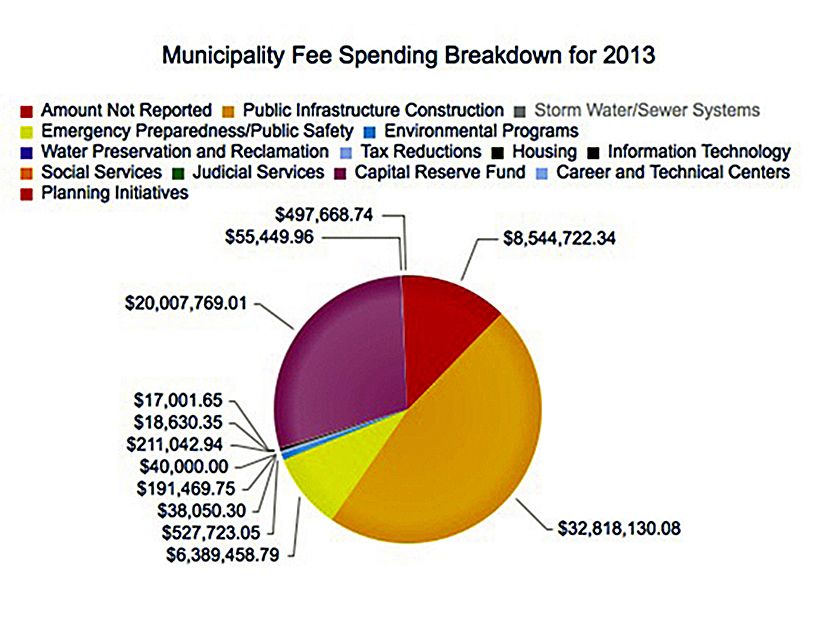
This pie chart shows how municipalities across Pennsylvania have spent their income from the Act 13 impact fees charged to Marcellus Shale natural gas drillers.
Editor’s note: This is the second of three stories examining Act 13 natural gas drilling impact fees.
Nearly $30 million in Marcellus Shale natural gas impact fee money given to communities across the state, including many in Washington and Greene counties, is unaccounted for because how the cash was used went unreported to the state Public Utility Commission, online records show.
And, the commission is unable to force the municipalities that receive shares of the money to report by April 15 of every year how they are spending it under a list of broad categories in the law known as Act 13, the PUC said.
“Once again, the act is silent on enforcement,” said Nils Hagen-Frederiksen, the PUC’s press secretary. “There’s nothing we can do.”
The $30 million represents 14.5 percent of the amount of money that was distributed to municipalities directly affected by drilling from 2011 to 2013, the last year expenditure records are available at the PUC website.
Former Gov. Tom Corbett signed Act 13 into law in February 2012, and the legislation neglected to require regular state audits of the money to ensure it’s being spent correctly. The law appeared to be flawed at the onset, prompting a legal challenge to its having stripped local zoning control away from municipal governments on drilling operations, something the state Commonwealth Court overturned, a ruling that was upheld by the state Supreme Court.
The PUC has disbursed $856 million to various towns, counties and other Marcellus Shale legacy funds in the four-year history of the impact fee program that authorizes the PUC to collect and distribute the fees.
The Marcellus Shale money has been a “godsend” to Fallowfield Township, a municipality in Washington County, said local Supervisor Wilbur D. Caldwell.
Fallowfield neglected to report how it invested $139,363 in 2013, the most-recent reporting year at the PUC, yet Caldwell – like several other local elected officials – believes the township filed the spending report with the PUC. He said the township plans to call the PUC to correct the problem.
He said Fallowfield is a typical Mon Valley community with a shrinking tax base and outdated equipment. Supervisors have done some economic development with the money and want to use more of it to repair parks and update the road department’s equipment.
Hagen-Frederiksen said the law requires municipalities to file their spending category reports on their websites and the PUC to also disclose that information online.
“The act is very clear. They are required to turn these forms in,” Hagen-Frederiksen said.
But, there still appears to be confusion within some municipalities about which forms must be filed with the PUC, and what can be purchased under some of the categories.
“It is very, very vague,” said Mark Knestrick, supervising chairman in South Franklin Township, whose 2013 impact fee income totaling $342,345 is listed as unaccounted for.
South Franklin Township manager Tyler Link said he filed the reports with the PUC.
The “Municipality Approved Budget Report Form” that is required to list the total annual operating budget must be submitted by March 1. However, some local officials are missing another subsequent form, called the “Unconventional Gas Well Fund Usage Report,” that must be filed by April 15. That report details line items for each of the 13 categories that the impact fee money can be used for by a municipality
Just because a municipality hasn’t filed the required usage report doesn’t mean those officials aren’t keeping track of the expenditures.
Perry Township Secretary Lila Ayerson immediately pulled up a spreadsheet of impact fee expenses the Greene County municipality has made, which primarily include a bridge reconstruction and road paving projects. The records, which are separate from the township’s general operating budget and liquid fuel fund, show Perry has $9,012 of impact fee money remaining in its account.
“We keep it separate so we know what we have,” Ayerson said.
PUC records show the township did not file the 2013 usage report on how it spent the $127,188 in impact fee money. However, Ayerson said the PUC has never notified the township that it had not filed the required usage report.
The 13 categories that define how the money can be spent – some of which includes road projects, emergency preparedness, real estate tax reductions or building up a capital reserve account – can add to the confusion.
Franklin Township Supervisor Corbly Orndorff said they typically use the majority of their allocation to fix nonbonded local roads damaged by auxiliary traffic, but he thinks the legislation should be more specific about what can be done with the money.
“I don’t think they streamline the guidelines enough for what it can and can’t be used for,” Orndorff said. “There’s a lot left up to interpretation for the elected officials. It might be a permitted use, but it’s not the most prioritized use.”
He said the Greene County municipality has never had any issues with properly filing the Act 13 reports to the PUC. However, the PUC’s online records show that Franklin Township did not report how it spent its $444,058 allotment in 2012.
State Sen. Camera Bartolotta, a staunch supporter of the impact fee disbursements instead of a severance tax on the industry, did not know about the unaccounted for money, but she said it’s not surprising there are some initial glitches, considering the program is so new.
“It’s a new animal,” said Bartolotta, R-Carroll. “This is something municipalities have never had to deal with until now.”
She suggested the residents monitor how their local leaders handle the money and make a determination whether they should be re-elected. Otherwise, residents should contact the state attorney general’s office to raise concerns about the impact fee documentation.
“They have to answer to the people who live there,” Bartolotta said.
The city of Washington and neighboring North Franklin Township also made the list of municipalities that did not report their Act 13 spending to the PUC, and officials there also insist they filed the forms on time.
“We file it every year,” said Washington Councilman Joe Manning, who oversees the city’s finance department.
Hagen-Frederiksen said municipalities are free to contact the PUC about the reporting issues, and the commission will work with them to correct any problems they have with adhering to the regulations.
Staff writer Jon Andreassi contributed to this report.