

Flying flowers Butterfly Forest draws thousands to Phipps
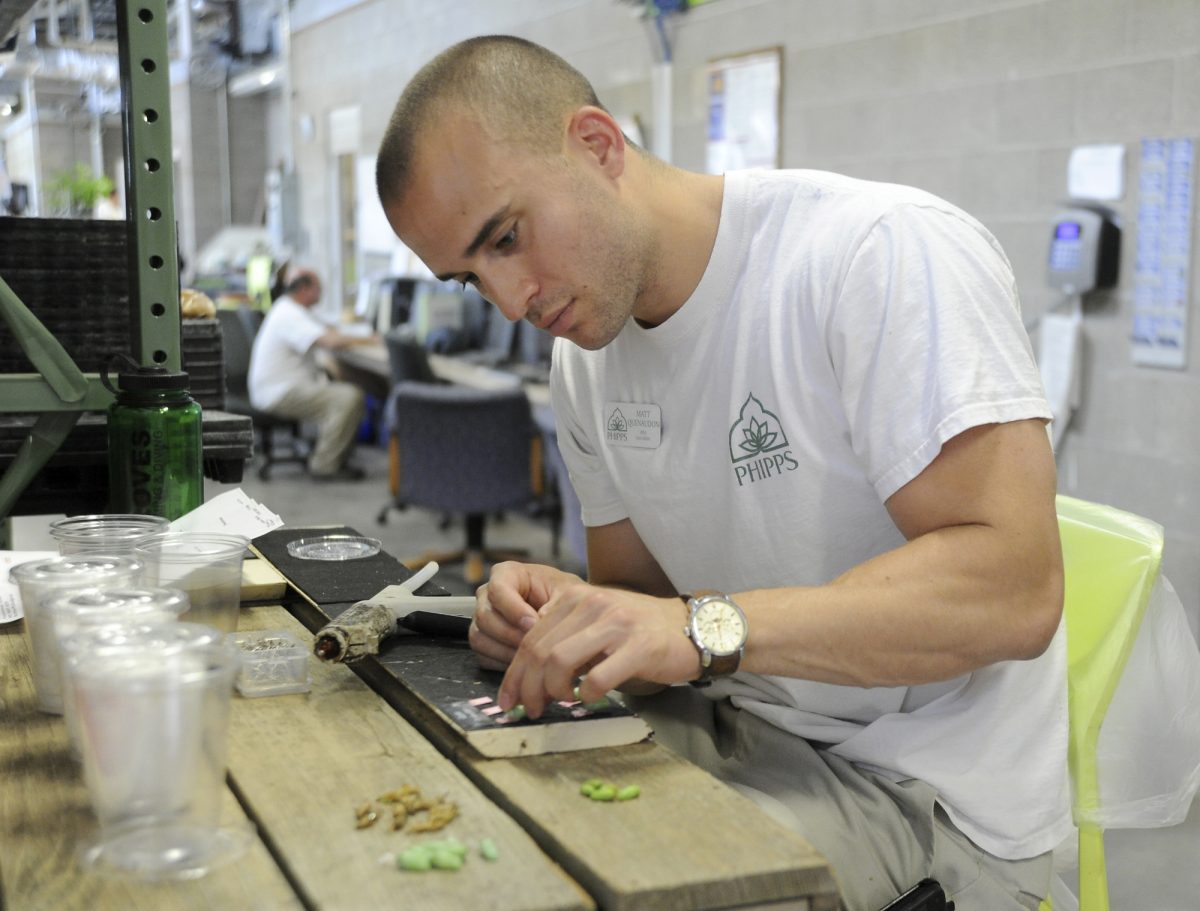
Phipps Conservatory integrated pest management specialist Matthew Quenaudon places chrysalises on a board so they can hatch after the butterfly develops inside.
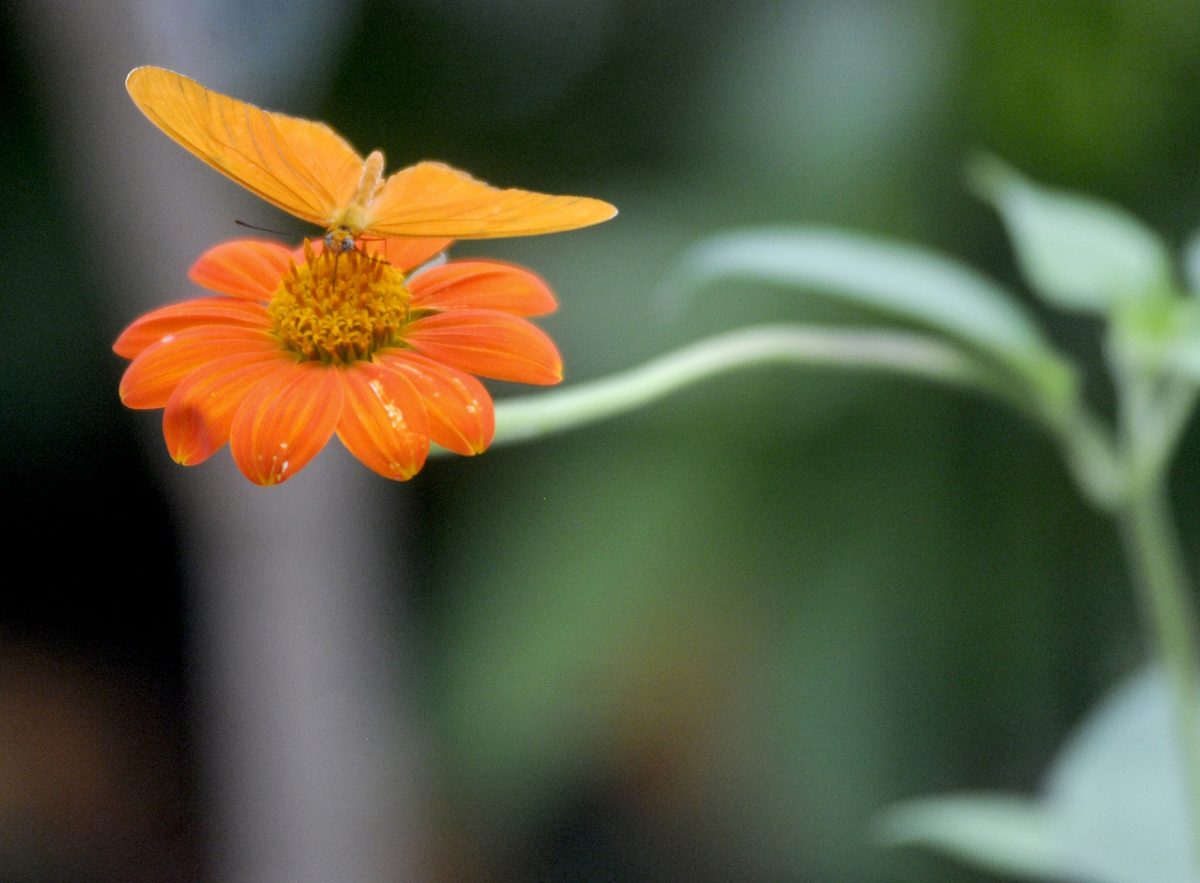
A Dryas Lulia, otherwise known as a Julia butterfly, rests on a flower at Phipps Conservatory.
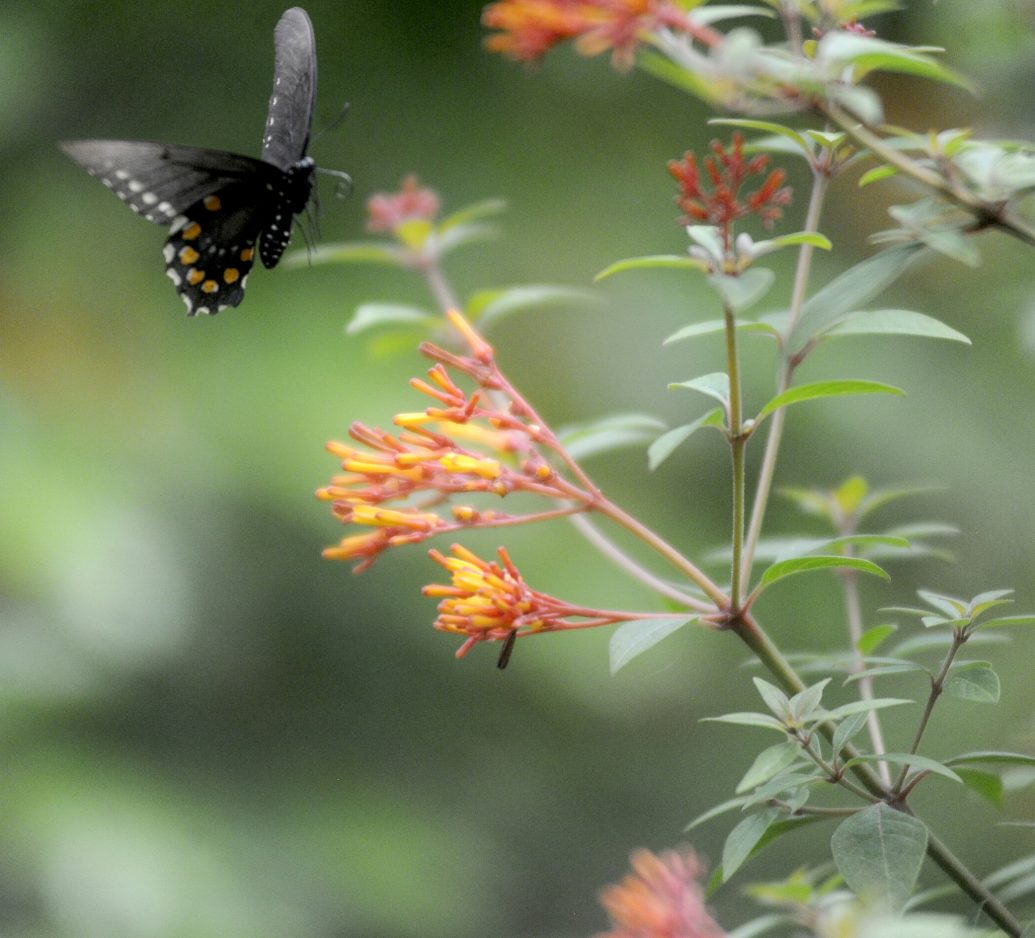
A Pipevine Swallowtail (Battus philenor)
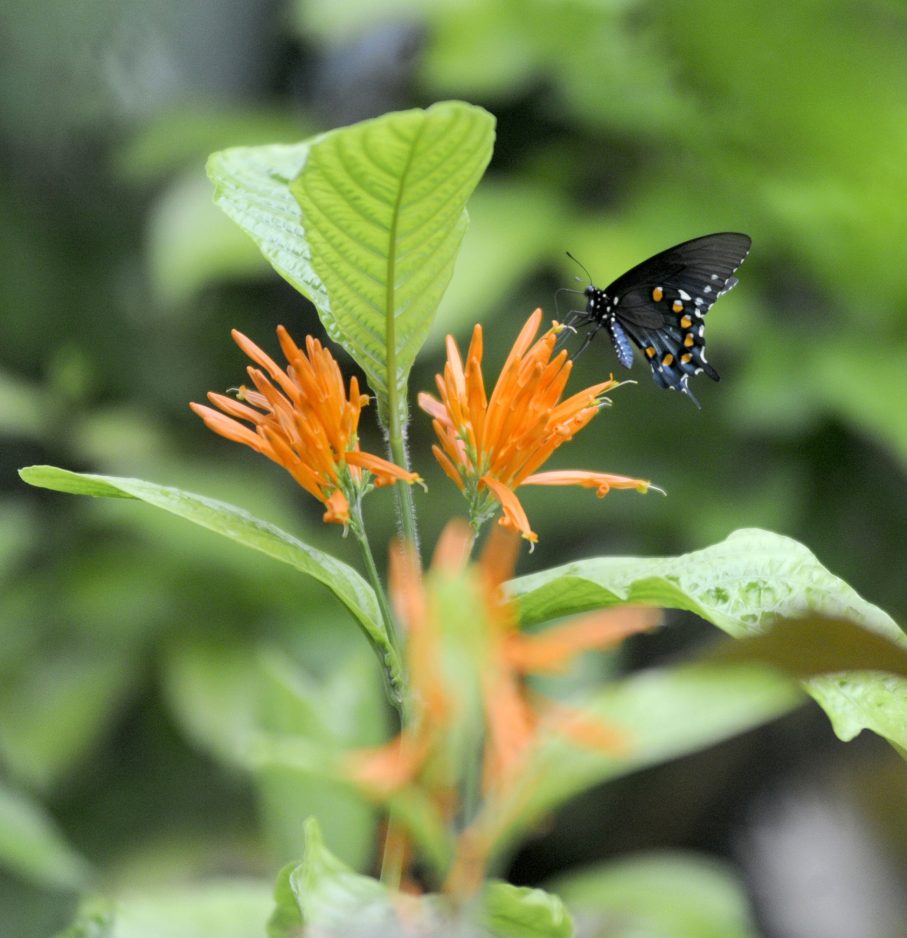
A Pipevine Swallowtail (Battus Philenor)
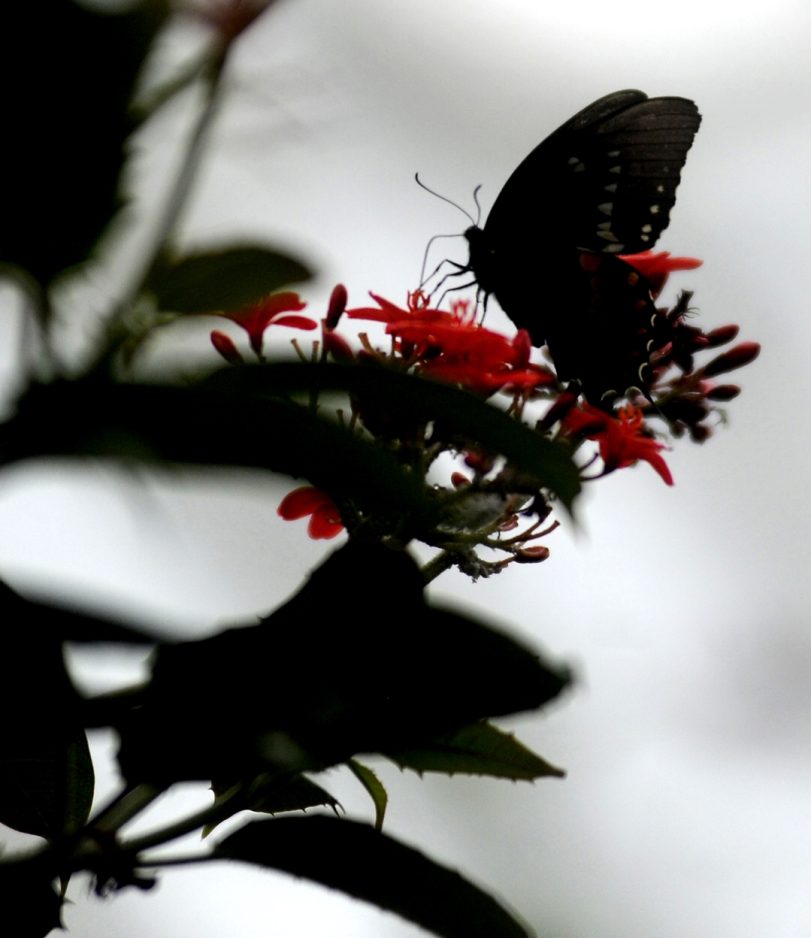
A butterfly rests on a plant in the butterfly room at Phipps Conservatory.
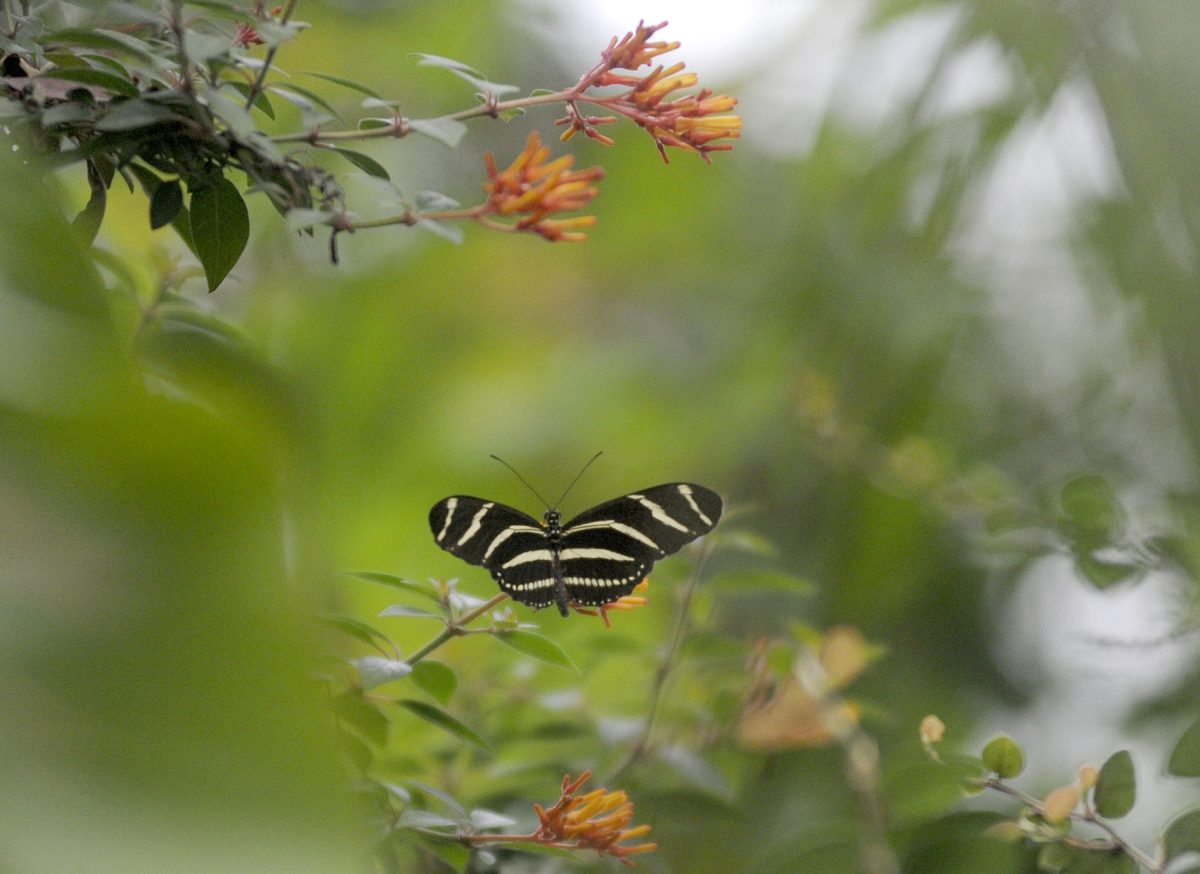
A Zebra Longwing (Heliconius Charithonia)
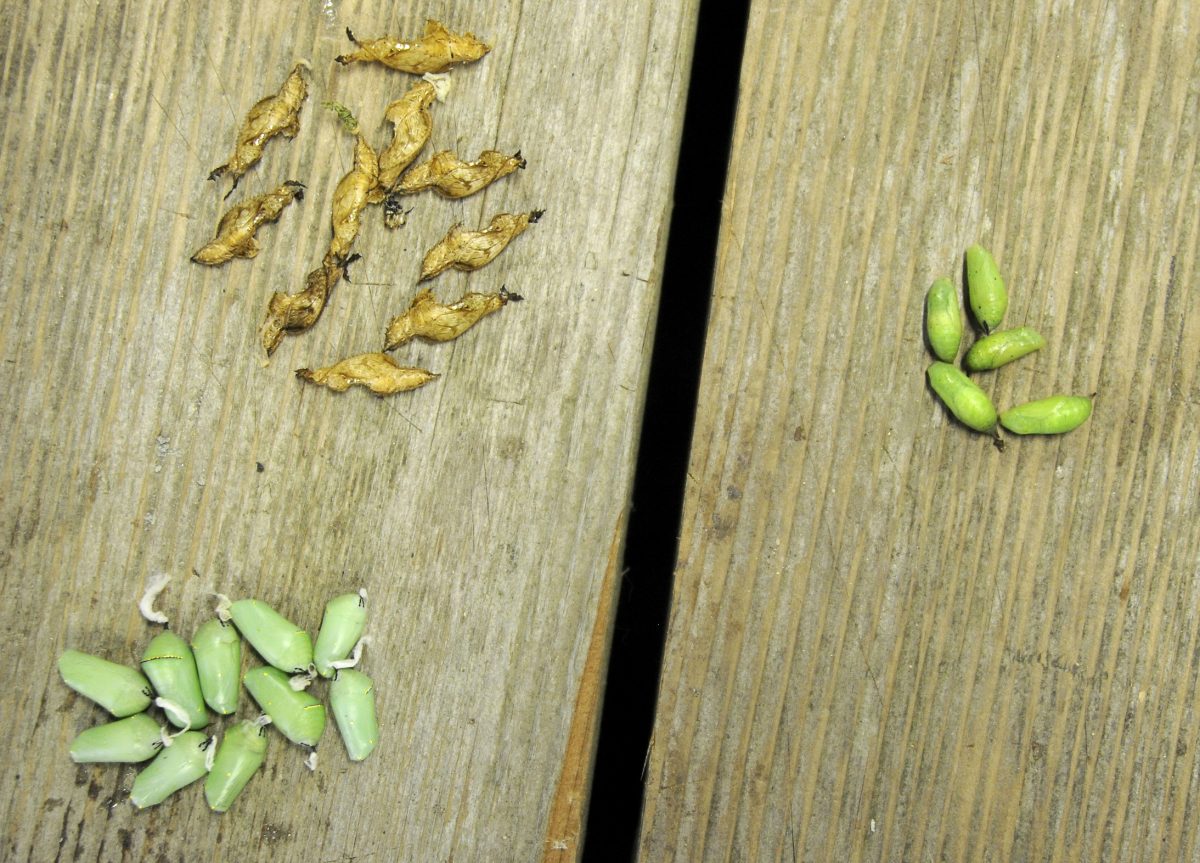
Zebra Longwing (top left), Queen (bottom left) and White Peacocks (top right) are several of the different kinds of chrysalises that Phipps Conservatory received. The conservatory purchases a variety of chrysalises that then hatch and make their home in the butterfly room.
Julia awoke after a long, rejuvenating sleep.
After having eaten – a lot – Julia had isolated herself because it felt right to retire someplace dark and warm.
Emerging, she noticed bright colors and an intoxicating aroma. She extended her appendages, having been cramped throughout her slumber.
Julia had changed while she slept.
Where once small hairs sprouted from her long body, four orange and black wings rose purposefully to the sky.
Julia, once a caterpillar, was now a butterfly.
The subject of numerous paintings, children’s books, and even tattoos, butterflies have been a longtime source of fascination. A 1350 B.C. tomb unearthed in Egypt depicts a number of colorful butterflies in midflight, surrounding the deceased. In 1956, Spanish surrealist Salvador Dali painted two butterflies hovering in the desert. Present day, the beloved insects can be found on body-art enthusiasts all over the world.
Even President Obama has been lauded as a butterfly enthusiast.
In response to reports that the Monarch population is rapidly diminishing, the White House unveiled a plan to make millions of acres of federal land more butterfly-compatible, spending millions of dollars on research and considering the use of fewer pesticides.
Called “dancing flowers,” butterflies provide more than visual pleasure.
“They are good pollinators and, as caterpillars, are a good food source to other animals,” said Matthew Quenaudon, integrated pest management specialist at Phipps Conservatory and Botanical Gardens in Pittsburgh.
The annual Butterfly Forest is at Phipps, offering guests an intimate look at more than 20 species of butterflies. Live Julias, Queens, Monarchs and more take up residence at the glasshouse Stove Room through Sept. 7.
The exhibit is a big draw for Phipps, which hosted about 350,000 visitors last year, said Adam Haas, interpretive specialist. Families, outdoor enthusiasts, community and school groups flock to the pleasantly humid conservatory to witness the butterflies in action.
This year, the butterflies live among “weird and wonderful” plants, interesting botanicals resembling their namesakes.
Zebra longwings perch atop goldfish, shrimp and lipstick plants and dance between powderpuff trees.
During Phipps’ Friday night hours, guests can witness the flight of the elusive, nocturnal Luna moths and hear the distinct mating call of tiny Coqui frogs.
“It’s so different,” said Quenaudon of Phipps in the dark. “It’s just a neat experience.”
In addition to purchasing and taking care of the butterflies, Quenaudon is responsible for tackling plant diseases and harmful insects that new vegetation can bring in. Phipps practices integrated pest management, using beneficial bugs that feed on pests, rather than relying on pesticides.
“There is a balance between good bugs and bad bugs, not just eradicating them all,” said Haas. “Everything in nature is about balance.”
Quenaudon said he is often asked by visitors why there are no butterflies around their homes.
“It’s because they are getting rid of certain plants and weeds,” he said. “Butterflies are a good sign of a healthy ecosystem.”
As pollinators, butterflies move pollen from the male parts of a flower to the female parts to achieve fertilization.
Before transforming into a butterfly, the caterpillar, or larva, spends its short life eating – and being eaten. If it survives its predators, the caterpillar grows, splits and sheds its skin four or five times, developing at an enormous rate.
When it is finished, it attaches itself, usually to the underside of a leaf, shedding to create a chrysalis.
In this hidden and mysterious stage, the transformation begins.
Over a couple of weeks to months, the caterpillar releases enzymes to digest almost its entire body. What’s left inside is a liquid containing disks and neurons from which the butterfly begins to form.
As it grows, the butterfly pushes against the chrysalis, forming cracks that it eventually pushes through to emerge.
At this point, the adult is ready for its new life of flight. The butterfly spends its days mating and feeding on nectar, pollen or plants, though some don’t eat at all.
Their lifespan is short. Luna moths live about a week, while Zebra longwings can live for six months.
Quenaudon is responsible for ordering the chrysalises from which the Phipps butterflies will hatch. The conservatory buys from farms that sell only to educators and responsible collectors, as breeding butterflies for release at special events poses risks to existing populations and is not endorsed by conservationists.
Every week, the conservatory receives about 200 butterflies in their chrysalises, each one as unique as the butterfly it houses. The Queen chrysalis resembles a hunk of jade, and the Zebra longwing looks like a dried leaf with smatterings of sparkling gold.
Quenaudon and a volunteer attach the delicate chrysalises to boards, which they place in the Stove Room.
More than 20 species make Phipps their home, with most being native to Pennsylvania or the East Coast.
“They are butterflies you might see outside,” he said.
Like all insects, the butterfly has a body made of three parts. They also have two eyes, two antennae to feel, hear and smell, and three pairs of legs.
Butterfly wings are made of hard tubes covered with thin tissue and scales, forming bright patterns. This pattern and color can attract mates, deter predators and help the butterflies blend into their background.
Their wings act as a heat collector. Butterflies can often be seen basking in the sun with their wings open, gaining heat.
Butterflies fly at a rate of 5 mph to 30 mph.
The butterfly’s attraction to bright colors and the sweat of human skin leads them to land on people, giving them a friendly quality.
“People associate them with beautiful surroundings and atmosphere,” said Quenaudon of the insect’s appeal. “They don’t sting, and they’re very beautiful.”
For more information about Butterfly Forest and Phipps Conservatory and Botanical Gardens, visit www.phipps.conservatory.org.