

Basics of life a struggle for Nepalese after earthquake
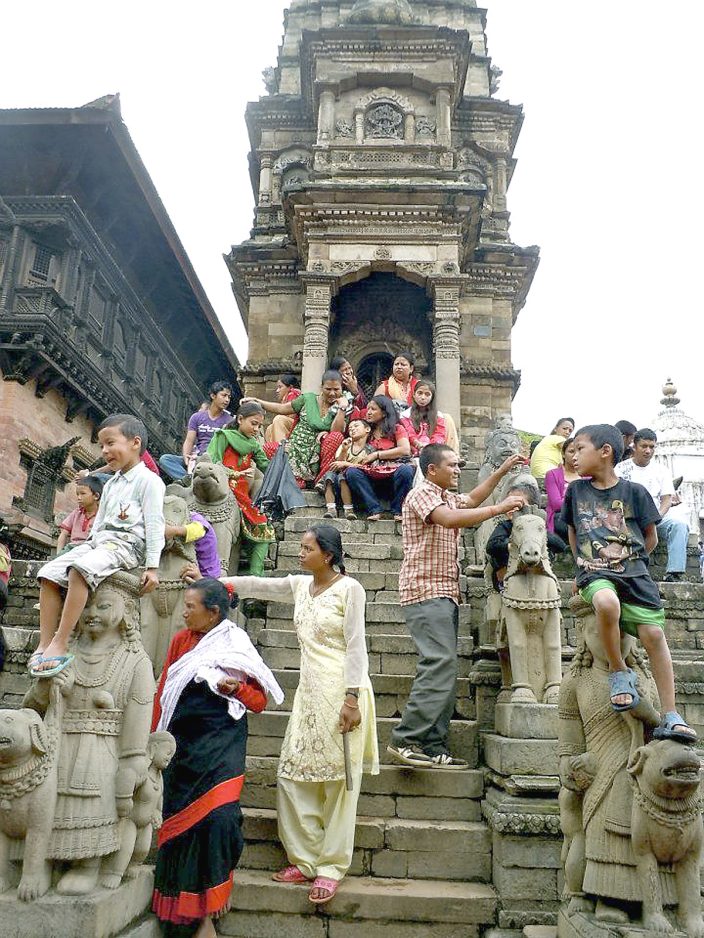
Nepalis lounged during a festival in Bhaktapur, east of Kathmandu, in summer 2012. The city of Bhaktapur and its centuries-old buildings suffered heavy damage in the recent earthquake.
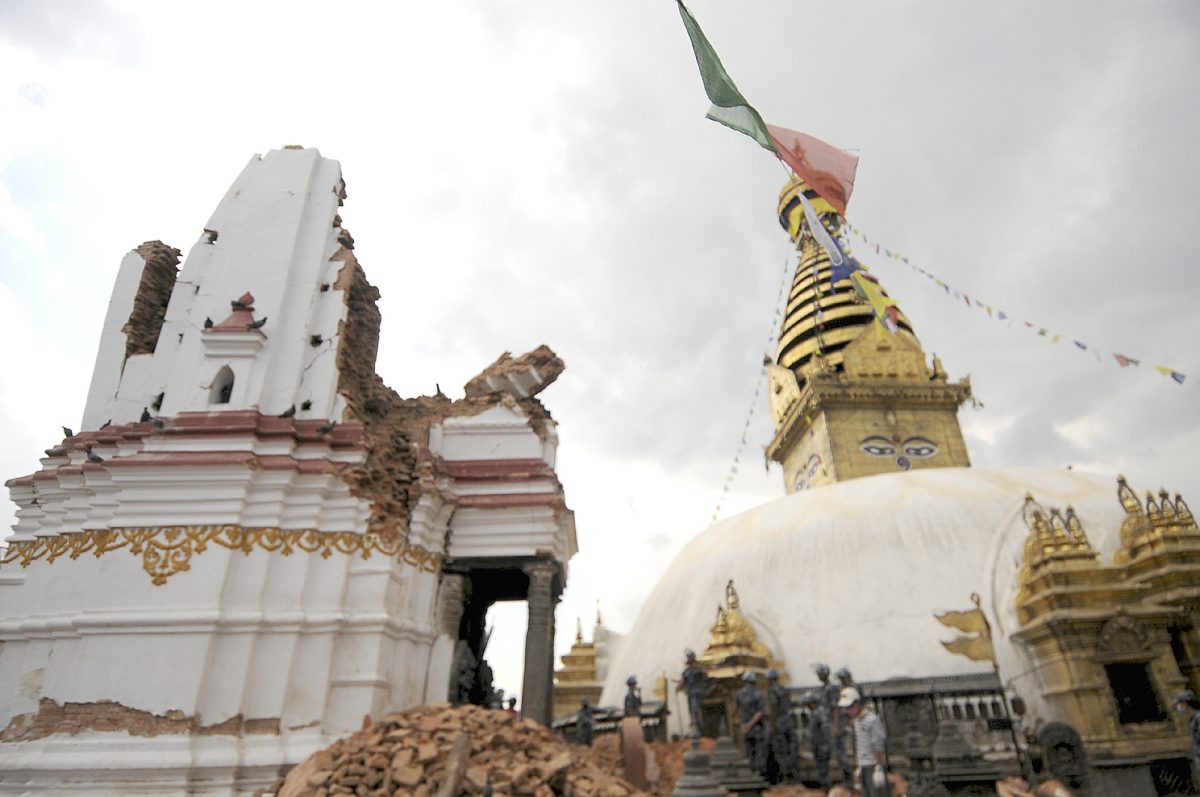
The Kathmandu site Swayambhunath, also known as “Monkey Temple,” suffered damage in the earthquake.
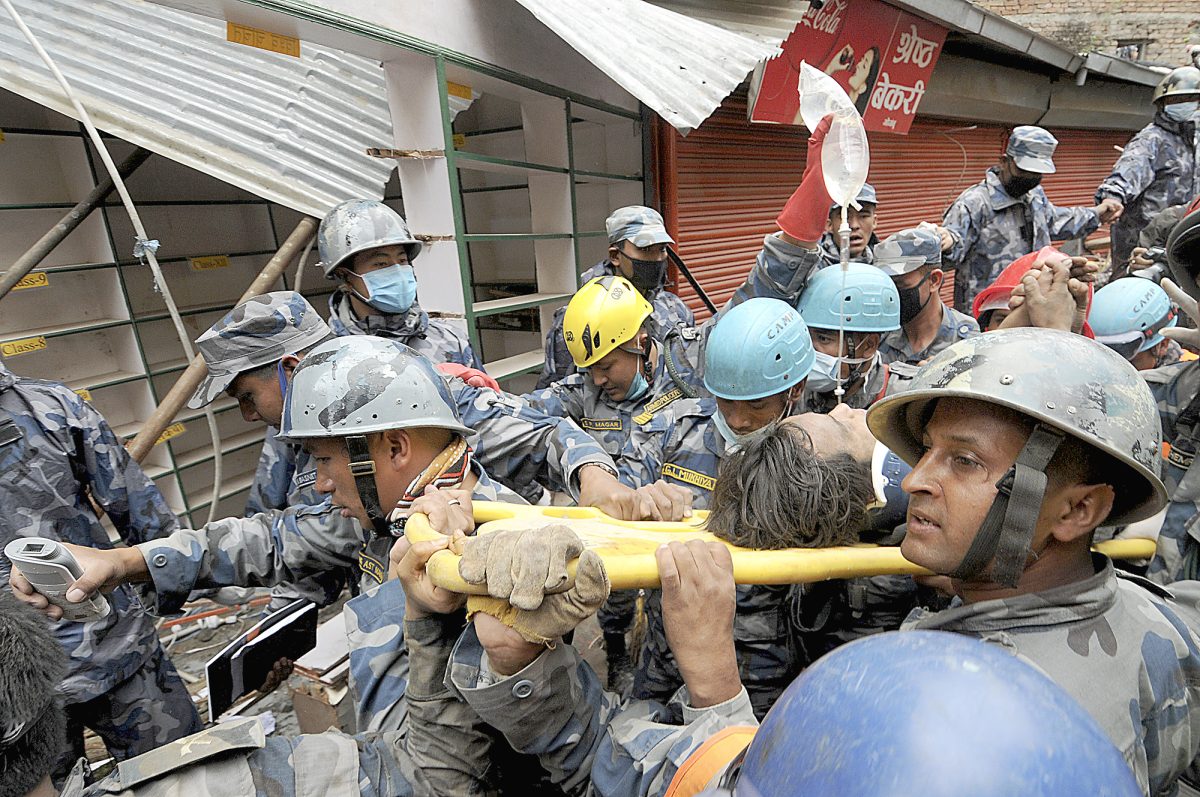
Fifteen-year-old Pemba Lama is rescued alive Thursday after 144 hours trapped in the rubble in Kathmandu.
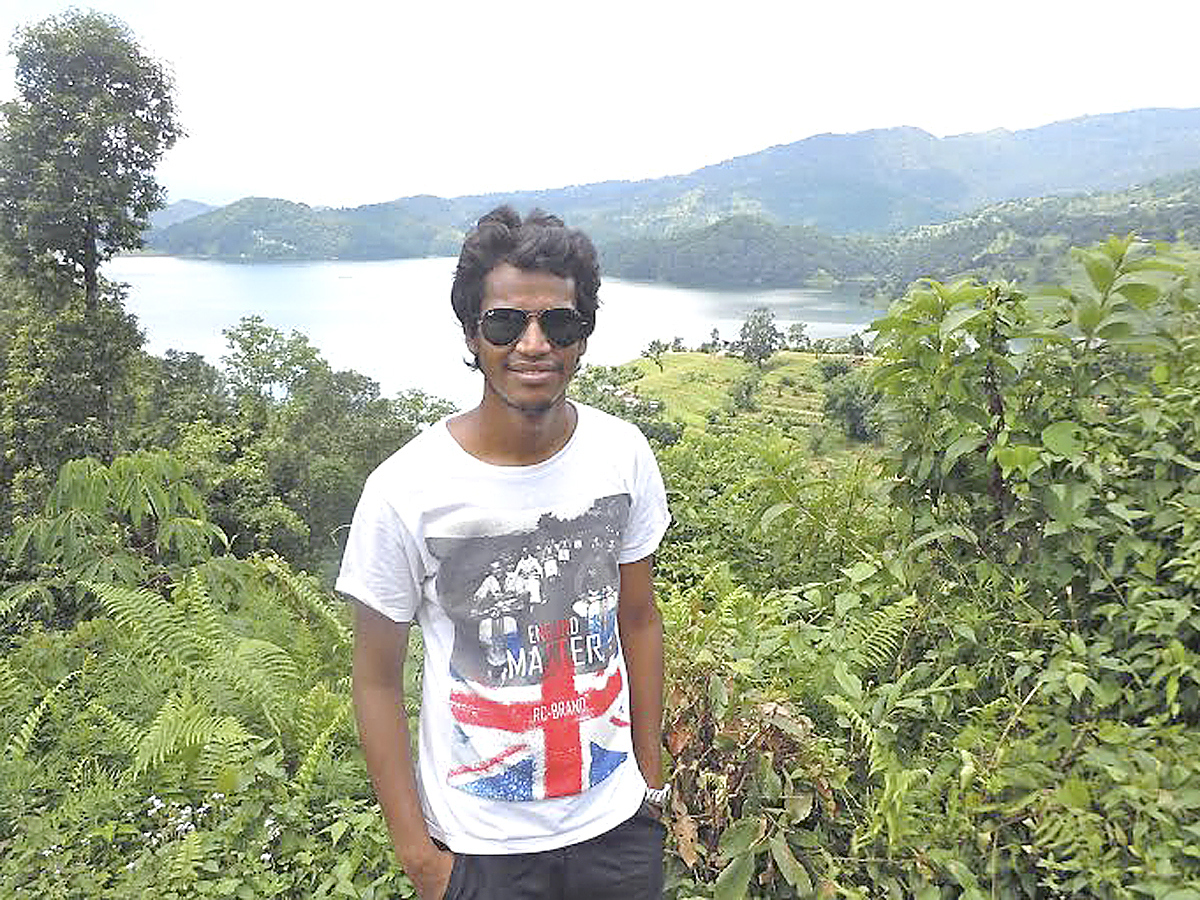
Krishna Dangi, a journalist based in Kathmandu, is shown in Pokhara, Nepal, in 2012.
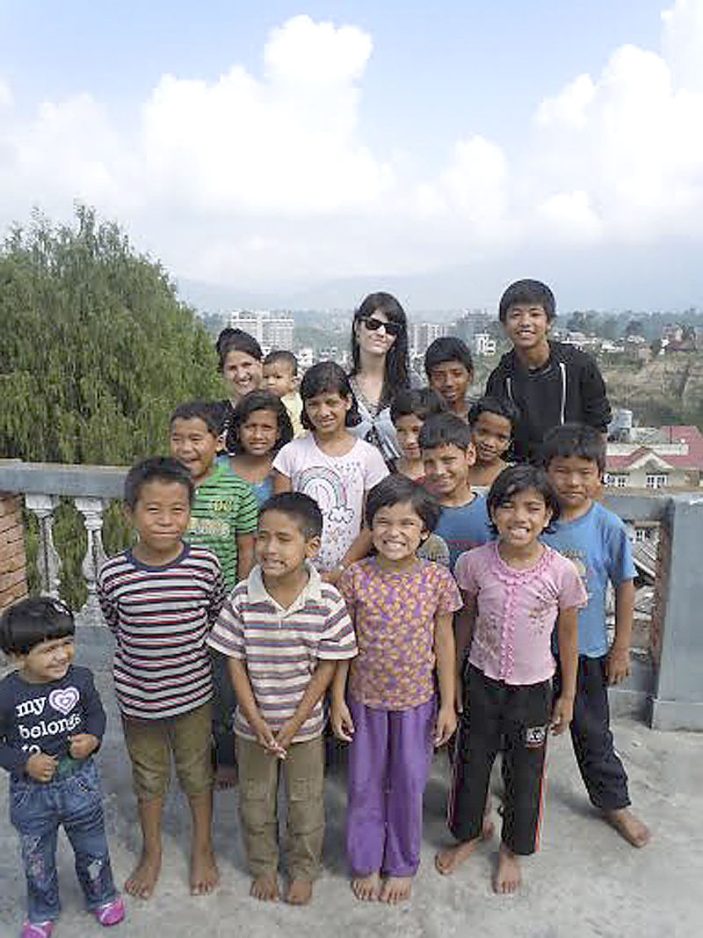
Staff writer Emily Petsko volunteered with children at the Himalayan Foundation Nepal orphanage in 2012. No one there was hurt during the earthquake.
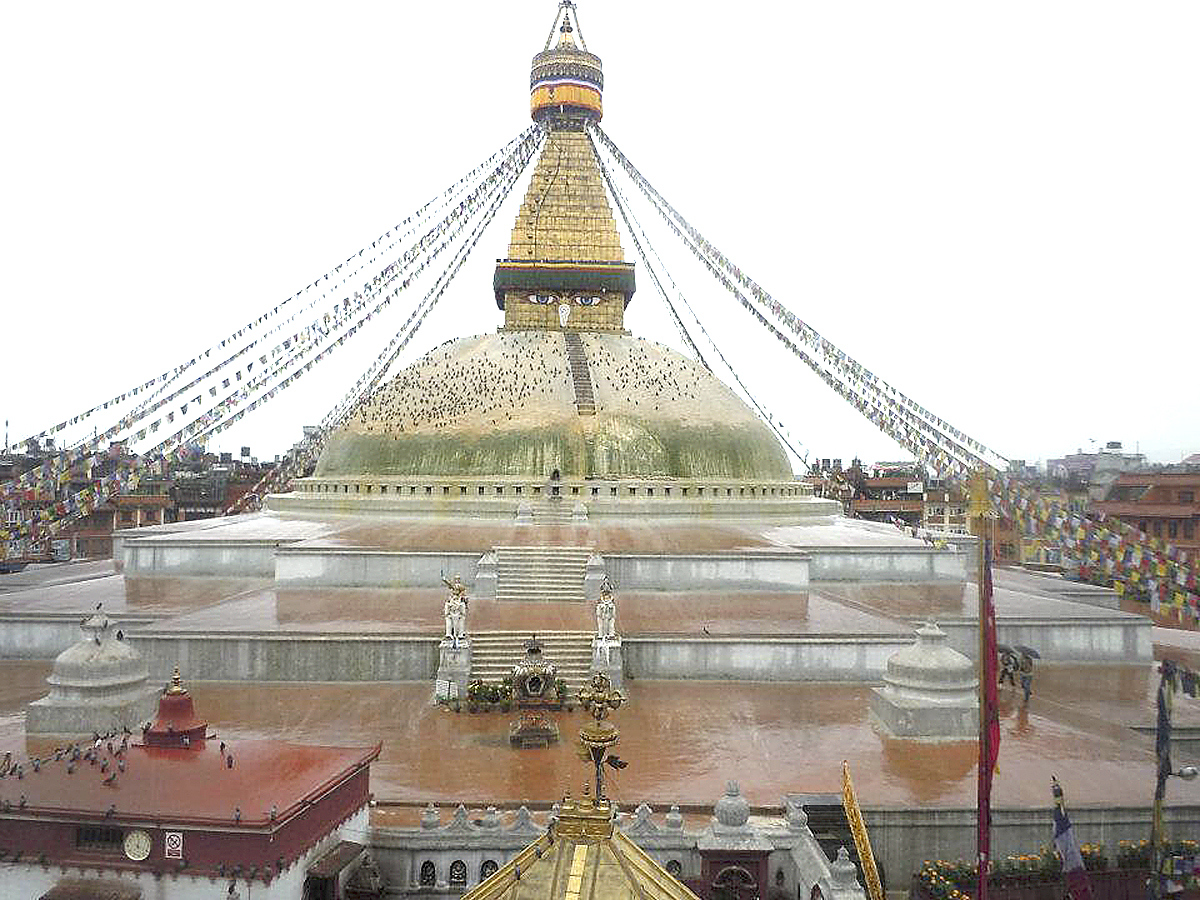
Boudhanath, an ancient religious site and the largest Buddhist stupa in Nepal, was heavily damaged by a powerful earthquake that shook Kathmandu April 25.
Kathmandu is a city of constant movement, of color, of beautiful chaos and kind people who get by on meager means.
On April 25, at 11:56 a.m., the spirit of the city transformed into one of terror. A 7.8-magnitude earthquake rocked the capital city of Nepal and toppled homes and ancient temples in its wake, which stretched from northern India to parts of China and Bangladesh. More than 6,000 Nepalis lost their lives, and the death toll is still climbing.
Krishna Dangi, whom I befriended while interning at The Kathmandu Post in the summer of 2012, was forced to sleep outside for several nights under a makeshift shelter of tarp tied to a tree. His rented home was badly damaged in the earthquake, but fortunately, he was uninjured.
“Rain, mosquitoes, no roof at all,” Dangi, 27, of Kathmandu, wrote in a message Monday, the third night after the earthquake. “People fight, as well, to make matters worse.”
By day, Dangi helped with relief efforts. At night, he translated stories for Nepal Republic Media, where he works as a correspondent. During times like these, there is no rest for journalists.
In a matter of minutes, thousands of people were rendered homeless. The inevitable aftershocks – there have been more than 70, according to the Associated Press – forced Nepalis to eat and sleep outside in fear of their homes collapsing.
Tensions continue to mount as food and water runs out. Cramped quarters and poor sanitation create the new threat of disease, which could claim more lives yet.
“The scene at big open spaces like Tudikhel, situated in the heart of the city, resembled war-torn refugee camps,” Dangi said. “They are littered with waste and rife with stench.”
By Thursday, a mass exodus was under way in Kathmandu as city dwellers left to be reunited with family members in other cities and villages.
Dangi said buses were packed with people, including those riding on the roofs. While it’s not uncommon to see Nepalis riding atop buses, it is extremely uncomfortable, not to mention unsafe.
“Many people waiting for their buses lined the roadsides with gloom-ridden faces, clutching hands of their beloved ones,” Dangi said. “In New Baneshwor, one of the blooming sections of Kathmandu, people protested on the road, blocking vehicles of aid agencies and disrupting the traffic.”
Dangi said the government lowered the cost of transportation to aid Nepalis returning to their hometowns, but travelers were frustrated by the long wait time. The crowd was eventually “dispelled by baton-charging police officers,” Dangi said.
This is not the Kathmandu either of us know and love. On Sunday morning, Nepalis should be dashing from one vegetable stand to the next to purchase ingredients needed to make dal bhat, a traditional meal of rice, vegetables and a lentil broth. They should be sipping on milk tea, reading the newspaper, visiting temples or heading to work.
Instead, they are fighting to survive.
When I awoke to news of the earthquake Saturday morning, I was devastated. There was no way of knowing if my friends in Kathmandu were dead or alive. As I clicked on story after story, unable to pull myself away from the news coverage, I stared in disbelief at the devastation.
Centuries-old pagodas and ornate religious sites I visited just three years ago were reduced to rubble. Perhaps they took years to build, but they were wiped out in seconds by the cruel hand of Mother Nature. Several days passed before I received word that my friends in Nepal, and the children in the orphanage where I lived and volunteered for 10 weeks, were safe.
The Himalayan Foundation Nepal orphanage home, located about five miles outside the city center, suffered damaged in the earthquake. Ramesh Rijal, whose sister and brother-in-law operate the orphanage, said they slept outside six nights in a row.
“The open ground is our bedroom now,” he said in a message.
Because of poor sanitation, the children have become ill. The lack of accessible toilets is a major health concern.
“In this condition, many countries already gave their helping hand to us Nepalese persons, so we really (are) thankful (for) their (help),” Rijal said. “But still that is not enough to help entire places. In rural areas, some people already died without food.”
Many Nepalis sharply criticized the government for its inadequate response to the natural disaster and failure to take the impending threat of an earthquake more seriously. Experts knew the Indian tectonic plate – approximately 75 miles long and 37 miles wide – would shift northward and cause a large earthquake in Nepal, but they didn’t know exactly when it would occur, the Washington Post reported.
In the midst of devastation and death, beacons of hope emerge. Survivors are still being pulled from collapsed buildings one week after the earthquake struck, but time is running out.
Many organizations that have boots on the ground in Nepal are accepting donations. Among the most reputable nonprofit organizations are the American Red Cross, UNICEF, AmeriCARES, Direct Relief and Water Missions International.
“Signs of life are returning in many places in Kathmandu as people prepare to return home from open spaces carrying cooking utensils, blankets and tents on foot and in vehicles,” Dangi said. “Social networking sites are flooded with befallen tragedy, but also with inspiring quotes, photos and stories.”