

Washington woman helping victims in war-torn South Sudan
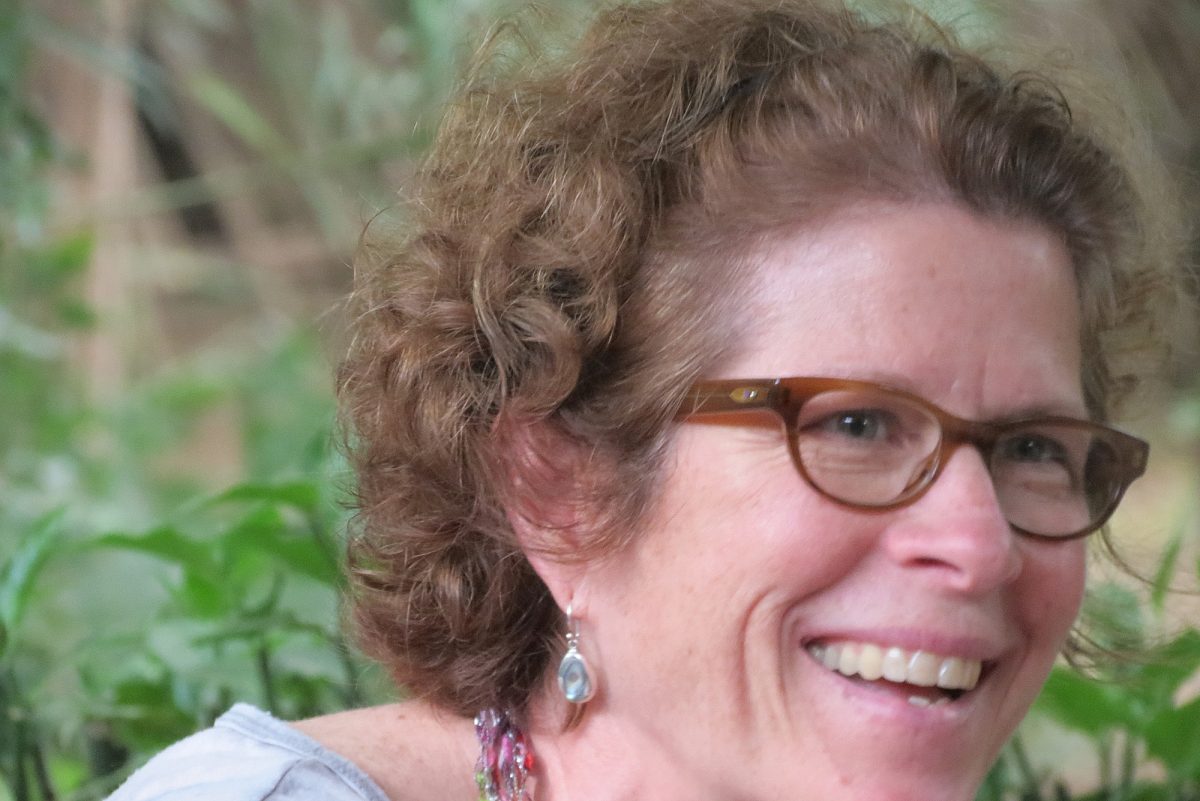
Mary Jo Harwood will return to South Sudan in December to work with displaced refugees.
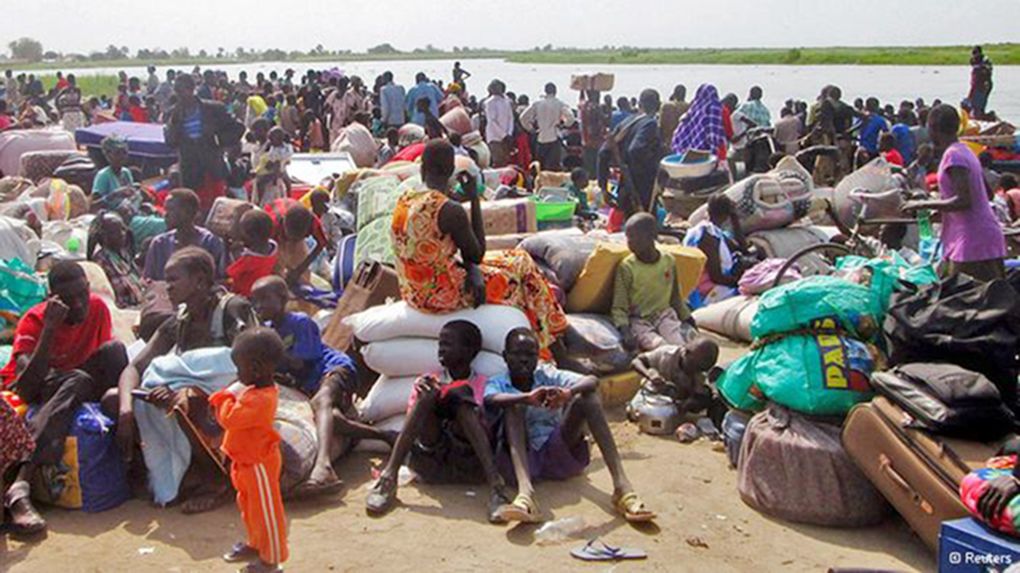
Mary Jo Harwood of Washington will return to refugee camps in South Sudan, where Mediators Beyond Borders International is assisting displaced civilians. “It’s ignored that these communities have a tough time reintegrating with each other,” Harwood said.
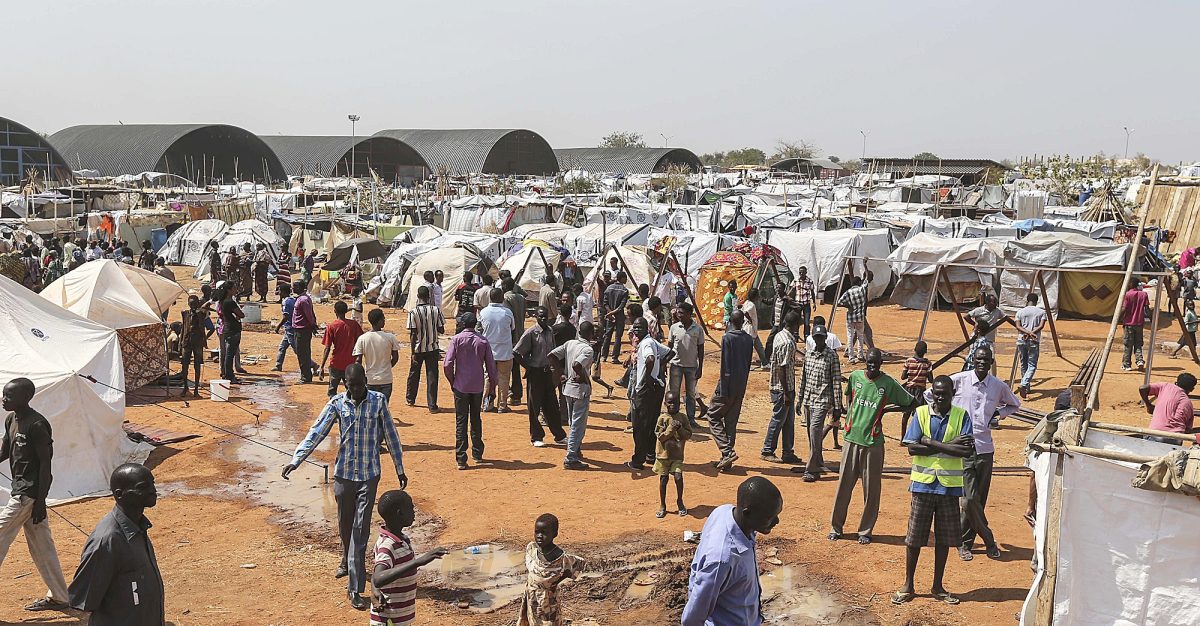
A refugee camp where Mediators Beyond Borders assisted displaced civilians
Since the South Sudanese Civil War started in 2013, more than 10,000 people have been killed and more than 413,000 have been internally displaced within South Sudan.
Two American women – one from Washington – are heading back to the country in December as part of their work with Mediators Beyond Borders International to help women and children cope with trauma of the war and start to rebuild their lives.
Mary Jo Harwood of Washington will return along with founding member Ginny Morrison of North Hampton, Mass., to help heal the emotional and psychological wounds that prevent tribal communities from trusting each other.
“So many organizations focus on the physical help – mosquito nets, water supplies, food – but it’s ignored that these communities have a tough time reintegrating with each other because they saw others, sometimes themselves, who did horrible things. Without addressing the distress they suffer, it makes the former aspects of aid a bit ineffectual because they won’t cooperate with each other,” Harwood said.
Harwood and Morrison leave Dec. 2 for a 10-day stay, their second since an initial assessment trip last year.
“We try to do these projects over six years. It’s to gain their trust, because personal suffering is one thing, but for a group to not address their own situation, that undoes the fabric of society,” Morrison said.
“And a person can’t really live if they’re in a sustained mode of fight or flight,” she said.
“These towns near Juba where we’re going, they’re often referred to as refugee camps, but they’re really large installations – the displaced civilians are given PVC pipe and rope and told to make a home; that they could be here indefinitely.
“How can you manage your life under such stress and a new situation? So we’re really teaching them how to regulate their negative emotions and how to prepare themselves for a new life,” Harwood said.
In her last project, Harwood was involved with former child soldiers and sex slaves in Liberia.
“This situation was popularized in the ‘Blood Diamond’ movie. Yet these former child soldiers we were helping, they’re in their 30s or older now. They were forced at gunpoint under the influence of drugs and alcohol to do horrible things. That’s tough to just move on from,” she said.
“We never go where we’re not invited,” Harwood said, “and Juba has been stabilized where there isn’t direct conflict going on. So the people are in a state where we can actually help them instead of them fearing of living day to day.”
Harwood’s husband, Dr. James Longo, is chairman of the Education Department at Washington & Jefferson College. He said he’s been supportive of Harwood since she joined the organization in 2007, but it’s still tough to see her depart for dangerous areas of the world.
“She has a genuine gift and skill set as a mediator. And she learned those skills from working with inner-city youth, with the Center for Victims of Violence and Crime. She’s a healer. But she deals with things most of us couldn’t imagine in our worst nightmares,” Longo said.