

Panelists see opportunities ahead for Washington Co.
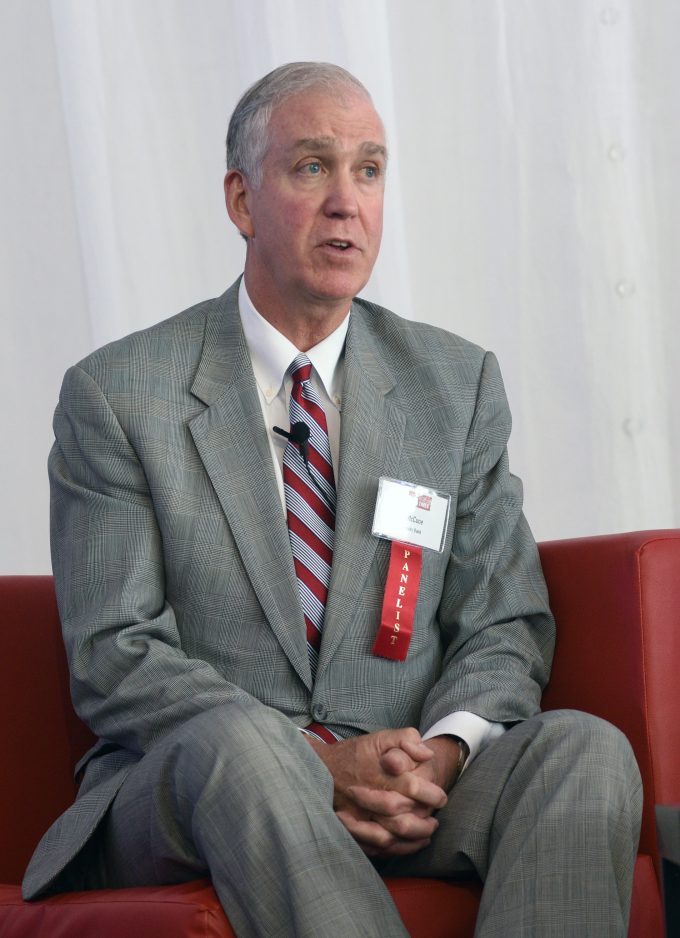
Celeste Van Kirk/Observer-Reporter Pat McCune, president and CEO of Community Bank, speaks during the “Corridors of Opportunity-Washington County” panel discussion at the new Meadows Casino Events Center on Thursday.
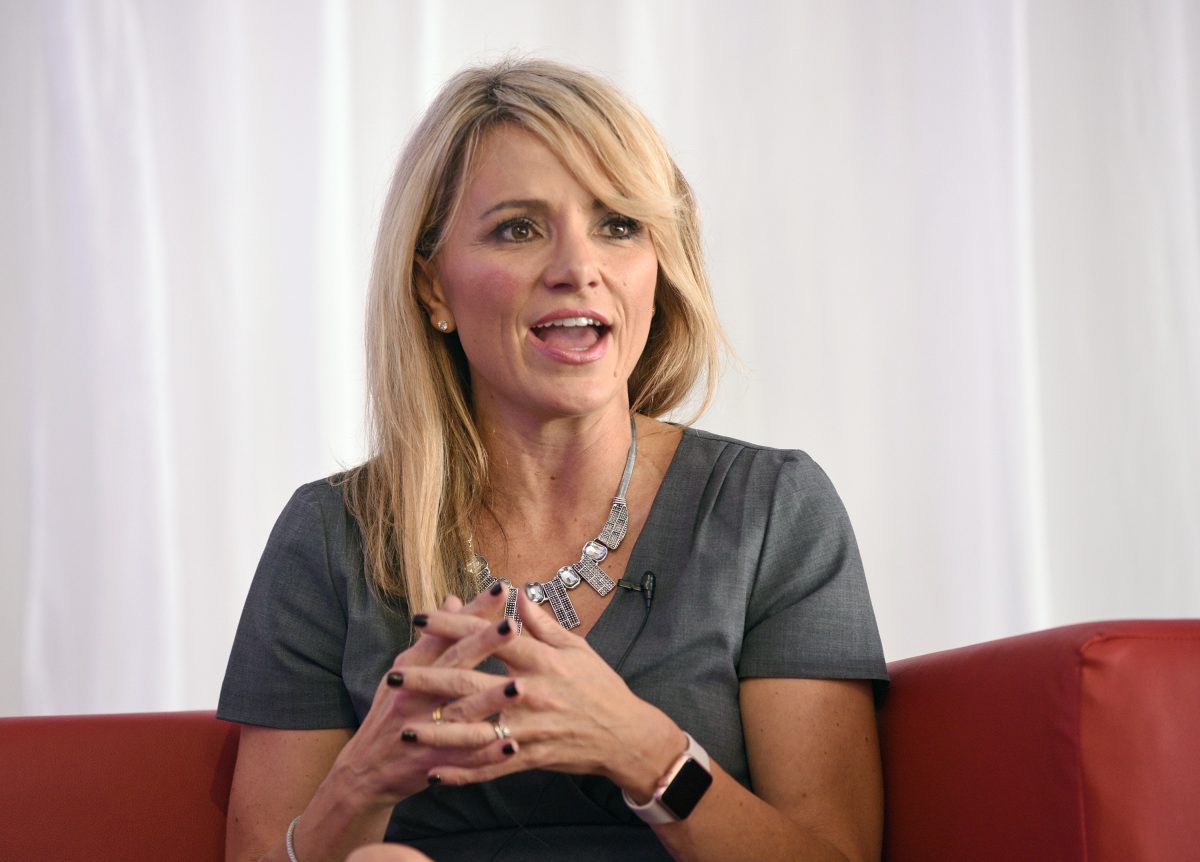
Laural Ziemba, director of public affairs for Range Resources, speaks during the “Corridors of Opportunity-Washington County” panel discussion at the new Meadows Casino Events Center Thursday.
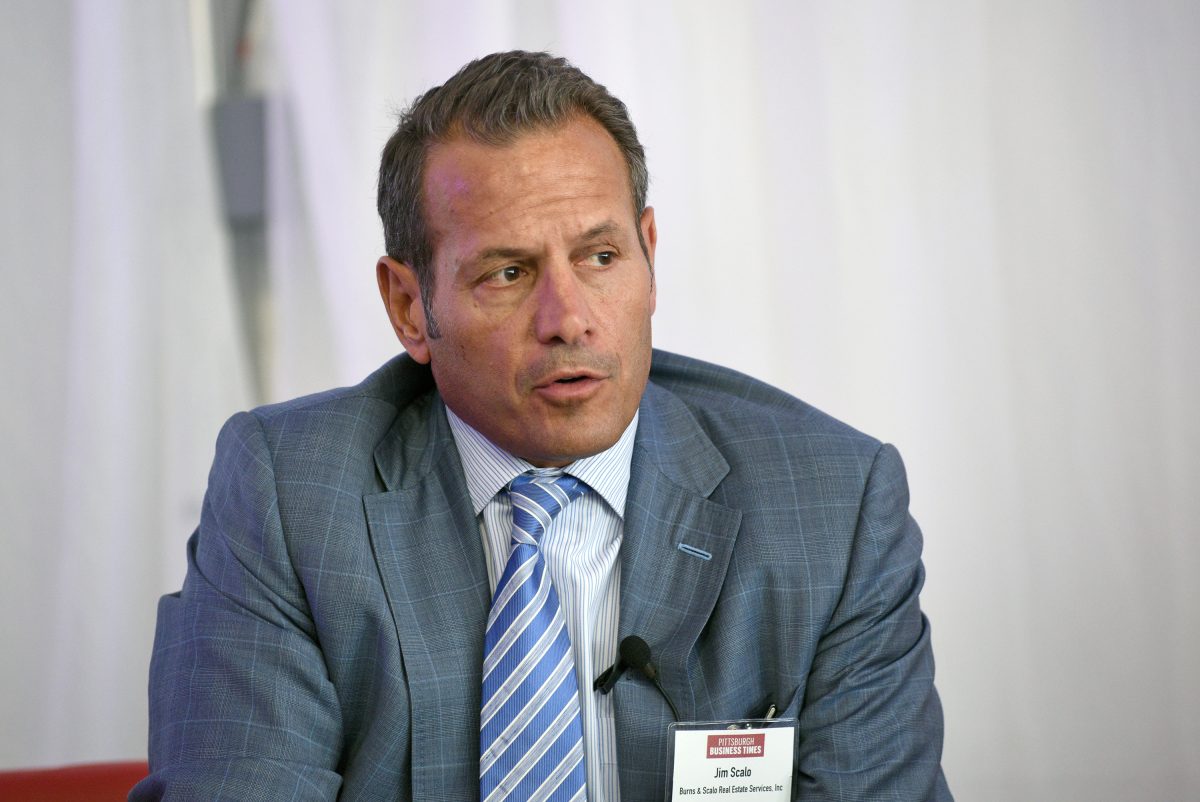
Jim Scalo, president & CEO of Burns & Scalo Real Estate Services Inc., speaks during the discussion Thursday.
MEADOW LANDS – A banker, a real estate developer and a natural gas drilling company representative said Thursday they believe Washington County has a bright economic future, but one panelist is hoping the success of Southpointe can be duplicated by another business park of similar magnitude to handle future growth in the area.
The panelists, Pat McCune, president and chief executive officer of Community Bank; Jim Scalo, president and CEO of Burns & Scalo Real Estate Services; and Laural Ziemba, director of public affairs for Range Resources, were the participants during a “Corridors of Opportunity: Washington County” program sponsored by the Pittsburgh Business Times. The luncheon event, which drew more than 300 people from the region, was held at The Meadows Casino events center in North Strabane Township.
The trio fielded questions from moderator PBT Publisher Alan Robertson.
When Robertson asked Scalo to evaluate his success in bringing tenants to Southpointe for the past 20 years, the developer didn’t mince words.
“There isn’t anywhere else we get the kind of returns as we do in Southpointe,” Scalo said, noting that the development evolved from technology and engineering tenants in the earlier days to oil and gas in more recent times.
Scalo, whose company built the three-building Zenith Ridge office campus within Southpointe that is nearing full occupancy, said his company is looking for the next growth spot in the county, a result of the June announcement by Shell Chemical Appalachia LLC that it will build an ethane cracker plant in Monaca.
During a separate roundtable discussion with Washington County officials and state legislators Wednesday, Dennis Davin, secretary of the state Department of Economic and Community Development, noted that the plant, estimated to cost between $2 billion and $6 billion, is expected to create a $6 billion ripple effect of related projects across the region.
“As Southpointe is completing (its buildout), we’re looking for a Southpointe 3,” Scalo said, adding he had discussions with leaders in Washington County and at the state level about the possibility of such a project.
But Scalo said he can’t wait long.
“If we don’t find a Southpointe 3 soon, then it’s north up (Interstate) 79,” he said, adding his company is purchasing property for development between the cracker plant in Beaver County and Southpointe.
Scalo added Southpointe’s success was not limited to energy tenants, adding companies like Mylan, Ansys, Crown Communications and MedExpress all expanded in the park.
The panelists agreed on their expectations that the cracker project will deliver related development projects to the county in the years to come.
McCune noted while the shale industry – which will supply the ethane to the cracker – has slowed, the county has seen additional infrastructure, including pipelines and fractionization plants fall into place. He added the abundance of gas coming from the shale will be here for years to come.
“The Marcellus Shale is not in the tank,” he said. “It has slowed down, which is typical of industries that are sensitive to price cycles.
“It’s consistent, affordable and is stable,” he said.
Ziemba noted when Range drilled its first unconventional gas well in 2004, then found its hunch about the Marcellus was a sound one, Washington County proved to be ready to accommodate what would become a natural gas boom.
“No other county in the United States was better able to handle this mammoth discovery,” she said, adding that Southpointe was available to provide the space for the 60 to 70 natural gas-related companies that ultimately opened operations there.
The trio also concurred that manufacturing will be one of the spinoff industries that will grow out of the cracker plant’s presence.
“Manufacturing will be attracted to (the region), just as the cracker plant was attracted to it,” McCune said.
Ziemba said she recently heard one industry representative provide a succinct explanation of the impact of Shell’s cracker plant decision.
“He said, ‘We’re not just building a facility; we’re building an industry,'” Ziemba said.